Start here
If your dog seems anxious, you don’t need to do everything at once. Work through this guide in order: learn what anxiety looks like, build a calm daily routine, then layer in the enrichment and training that fits your dog. Pick two or three ideas to start and add more once they become habit.
A simple starting path:
- Learn the signs — Signs of Anxiety in Dogs: What to Watch For
- Build a predictable calming routine
- Add enrichment for anxious dogs (scent games, food puzzles)
- Teach a calm “settle” with mat training
- Create a safe retreat with crate comfort
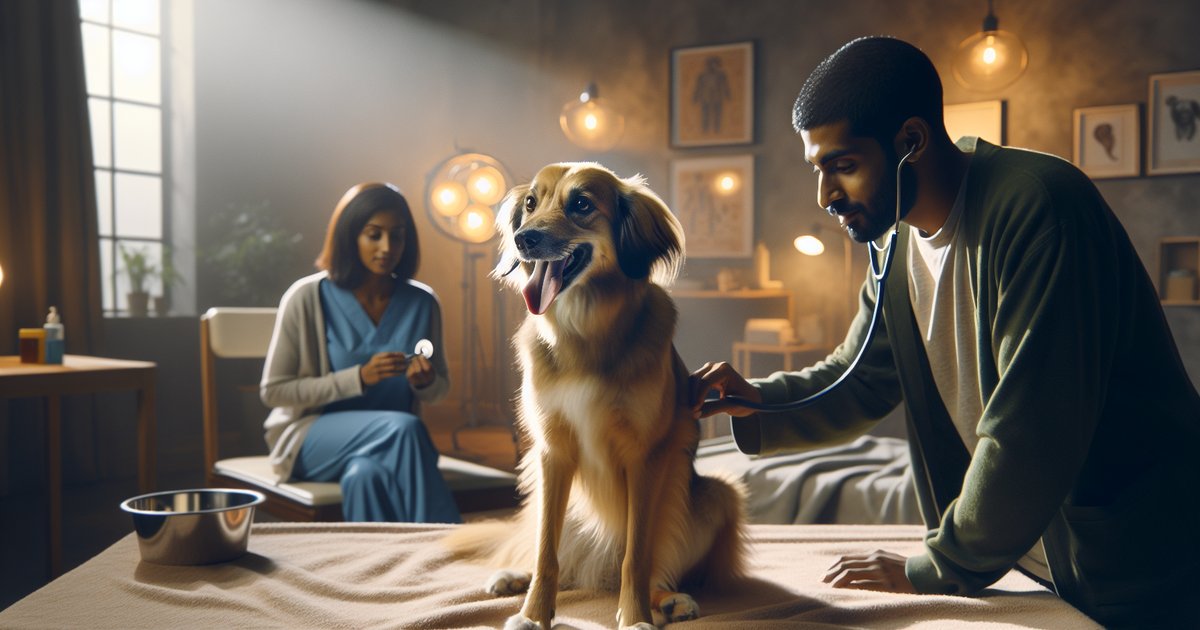
Please read: This guide offers general, research-informed support for mild, everyday anxiety. It is not a substitute for veterinary advice. Severe anxiety, panic, sudden behavior changes, aggression, or self-injury should always involve a veterinarian or a qualified behavior professional. See When to call a vet or behaviorist.
What anxiety looks like
Canine anxiety manifests through multiple behavioral and physical signs that pet owners should recognize early. Common indicators include excessive pacing, destructive chewing or digging, persistent barking or whining, trembling, hiding, loss of appetite, and elimination accidents despite house training. Dogs may also display repetitive behaviors like tail chasing, excessive licking, or obsessive grooming. Physical symptoms can include excessive panting, drooling, and restlessness even when the environment seems calm.
Separation anxiety specifically shows when dogs become distressed upon owner departure, often escalating to destructive behavior within minutes of being left alone. Other anxiety triggers include loud noises (thunderstorms, fireworks), new environments, unfamiliar people or animals, and changes in routine. Understanding these signs helps owners intervene early and seek appropriate help.
Related guides
- Signs of Anxiety in Dogs: What to Watch For
- Nosework at Home: 5 Easy Scent Games
- Mat Training for Calm: Teach a Relaxed Settle
- Calming Tools for Dogs: What Actually Helps
- Separation Anxiety in Dogs: At-Home Plan
- Crate Training for Anxious Dogs (Step-by-Step)
- Dog Calming Routine: A Simple 20-Minute Plan
Calming routine (20-minute checklist)
Pre-routine preparation (2 minutes):
- Gather calming tools: puzzle toy, treat dispenser, or comfort item
- Ensure quiet environment with minimal distractions
- Have high-value treats ready for positive reinforcement
Physical release (8 minutes):
- 5 minutes of structured walking or light play to burn initial energy
- 3 minutes of gentle stretching or massage to promote relaxation
- Monitor for signs of overexcitement and adjust intensity accordingly
Mental engagement (7 minutes):
- Present puzzle toy or sniffing game to redirect focus
- Practice basic commands with treat rewards to build confidence
- Rotate enrichment activities to maintain interest and challenge
Relaxation phase (3 minutes):
- Guide dog to designated calm space (mat, bed, or crate)
- Use “settle” or “place” command with positive reinforcement
- Maintain quiet presence until dog shows relaxed body language
This routine works best when implemented consistently at the same time daily, typically before known anxiety triggers or as part of evening wind-down.
Training that helps (and what to avoid)
Effective approaches: Positive reinforcement training builds confidence while reducing anxiety through predictable rewards and clear communication. Desensitization gradually exposes dogs to anxiety triggers at low intensities, paired with positive experiences. Counter-conditioning changes emotional responses by associating triggers with good things like treats or play. Teaching “settle” and “stay” commands provides dogs with clear expectations during stressful situations.
Crucial elements:
- Consistency in commands and expectations from all family members
- Short, frequent training sessions (5-10 minutes) rather than lengthy ones
- High-value rewards that truly motivate the individual dog
- Patience with gradual progress rather than expecting immediate results
Methods to avoid: Punishment-based techniques often worsen anxiety by adding stress and confusion. Flooding (intense exposure to triggers) can traumatize anxious dogs and increase fearfulness. Forced interactions or “tough love” approaches typically backfire by confirming the dog’s fears. Yelling or physical corrections during anxious moments escalates stress rather than providing comfort.
Professional dog trainers experienced with anxiety cases can design customized programs and teach owners proper implementation techniques.
Enrichment for anxious dogs
Enrichment gives an anxious dog an outlet for natural behaviors and a constructive way to spend nervous energy. The goal is achievable mental and physical challenge — enough to engage your dog without tipping into frustration. Pick two or three options below each day and rotate them to keep things novel.
Mental stimulation options:
- Puzzle feeders and treat-dispensing toys that slow eating while engaging problem-solving skills
- Sniffing games: hide treats around the house or use snuffle mats for natural foraging behavior
- Rotating toy selection weekly to maintain novelty and interest
- Training sessions for new tricks or commands to build confidence
Physical enrichment:
- Controlled leash walks in new environments for sensory exploration
- Swimming or water play for low-impact exercise (if dog enjoys water)
- Supervised playdates with calm, friendly dogs for social enrichment
- Agility exercises using household items like boxes or tunnels
Sensory enrichment:
- Calming music, audiobooks, or white noise to mask anxiety-triggering sounds
- Different textures for walking surfaces (grass, sand, rubber mats)
- Safe scent exploration through dog-safe herbs
- Temperature variations like cooling mats in summer or warm blankets in winter
Independence building:
- Gradually increasing alone time with positive associations
- Teaching self-entertainment through appropriate chew toys
- Creating safe spaces where dogs can retreat when overwhelmed
- Food puzzles that can be completed without human interaction
Successful enrichment balances mental challenge with achievable goals, preventing frustration while building confidence. Research even suggests the type of audio matters — one study found audiobooks calmed anxious dogs better than music, and another found that daily exercise can reduce anxiety in dogs.
→ Full menu: Dog Calming Routine: A Simple 20-Minute Plan
Scent games
Sniffing is naturally calming for dogs because it engages the part of the brain tied to foraging and decision-making. Short scent sessions can lower arousal and give an anxious dog a reliable, low-pressure “job.”
- Find-it: Toss a few treats into the grass or onto a towel and let your dog sniff them out.
- Snuffle mat: Sprinkle kibble into a snuffle mat so meals become a foraging puzzle.
- Treat trail: Lay a simple scent trail through a room that ends at a reward.
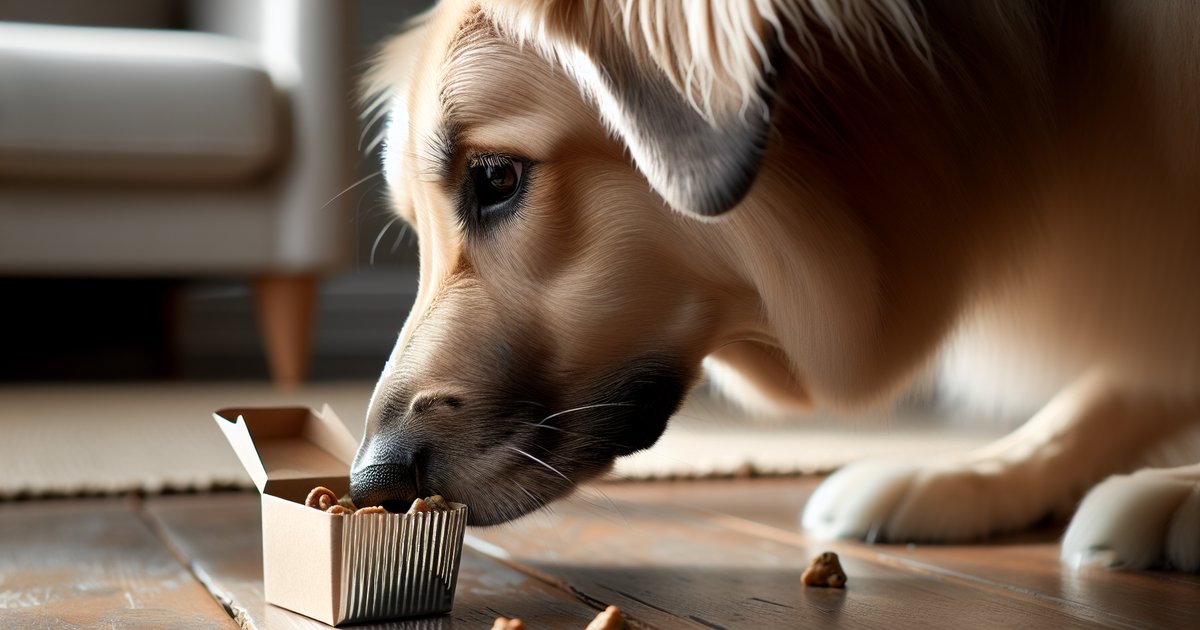
- Box search: Scatter empty boxes and hide treats in a few of them for your dog to investigate.
Keep early sessions easy so your dog succeeds, then add difficulty gradually.
→ Step-by-step: Nosework at Home: 5 Easy Scent Games
Food puzzles
Food puzzles turn ordinary meals into independent enrichment — useful for dogs who get anxious when alone because they redirect focus onto a rewarding task.
- Start with an easy puzzle so your dog learns the game without frustration.
- Use part of your dog’s normal daily food rather than extra treats to avoid overfeeding.
- Offer a stuffed, frozen toy before short departures to build a positive association with alone time.
- Supervise new puzzles at first and remove any pieces that could be chewed apart and swallowed.
→ Compare options: Calming Tools for Dogs: What Actually Helps
Mat training
Mat training (also called “place” or “settle”) teaches your dog that a specific mat means calm down and relax. It gives an anxious dog a portable, predictable safe spot you can use at home, at the vet, or when guests arrive.
- Reward your dog for any interaction with the mat, then for lying down on it.
- Build duration slowly, rewarding calm body language rather than excitement.
- Add a cue like “settle” once your dog reliably relaxes on the mat.
- Practice in easy settings first, then in mildly distracting ones.
→ Full how-to: Mat Training for Calm: Teach a Relaxed Settle
Crate comfort
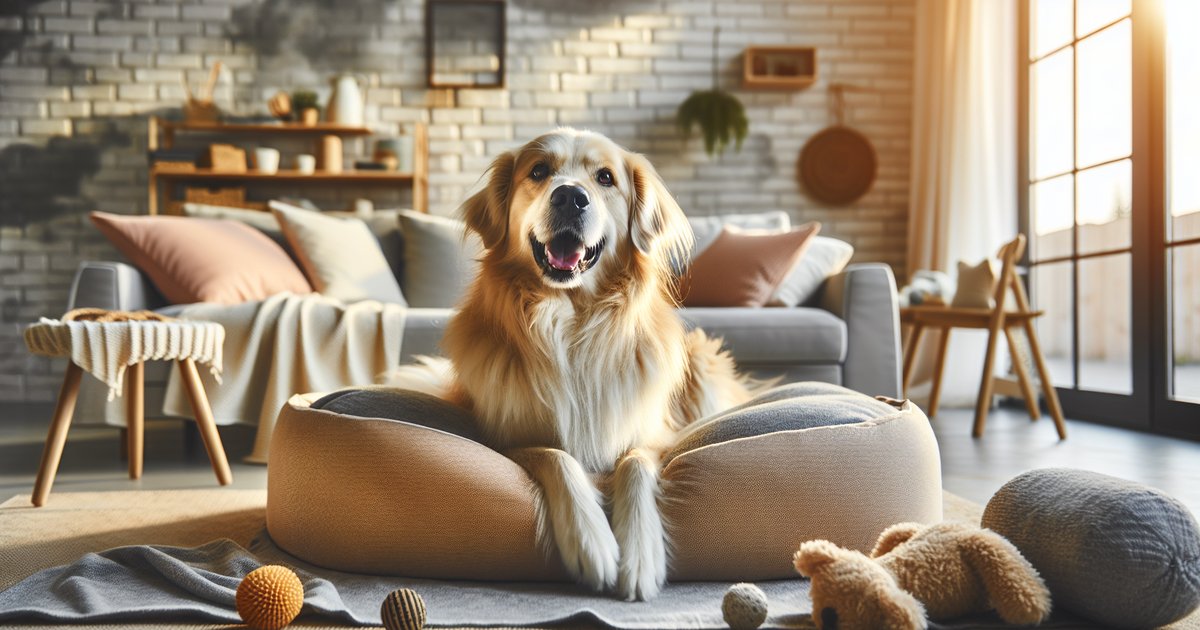
A crate should feel like a den, never a punishment. For many anxious dogs, a comfortable crate becomes a safe retreat during storms, fireworks, or busy households.
- Introduce the crate gradually with treats, meals, and favorite toys inside.
- Keep the door open at first so your dog chooses to enter on their own.
- Make it cozy with soft bedding and place it in a quiet but not isolated spot.
- Never use the crate as a time-out, and don’t force a frightened dog inside.
→ Step-by-step: Crate Training for Anxious Dogs (Step-by-Step)
When to call a vet or behaviorist
Home enrichment and training help many dogs with mild, everyday anxiety. But some situations need professional support — and getting help early usually leads to better outcomes.
Immediate veterinary consultation needed:
- Sudden onset of anxiety symptoms with no obvious trigger
- Self-injury from excessive licking, scratching, or compulsive behaviors
- Complete loss of appetite or house training lasting more than 48 hours
- Aggression directed toward family members or other pets
- Extreme reactions to normal stimuli that worsen despite consistent management
Professional dog trainer/behaviorist recommended:
- Anxiety symptoms persisting after 4-6 weeks of consistent routine implementation
- Multiple triggers requiring complex desensitization protocols
- Separation anxiety lasting longer than 30 minutes after departures
- Owner feeling overwhelmed or unsure about training implementation
- Need for customized behavior modification plans
Veterinary behaviorist consultation:
- Severe anxiety requiring potential medication management
- Complex cases involving multiple behavioral issues
- Previous training attempts unsuccessful despite professional guidance
- Situations where safety concerns exist for family members or the dog
Early intervention typically yields better outcomes than waiting for anxiety to escalate. Many veterinarians can provide initial guidance and referrals to qualified professionals in your area.