A New Approach for Horses Living with Joint Pain
Horse owners know how hard it is to watch a beloved animal struggle with stiff, painful joints. Whether your horse competes, works, or is simply a companion, joint disease can quietly rob them of comfort and quality of life. A new study published in Frontiers in Veterinary Science offers encouraging early news: stem cell therapy combined with hyaluronic acid may ease the signs of osteoarthritis in horses — and may even slow the disease itself.
The research focused on a combination treatment using cord-blood stem cells (special repair cells collected from umbilical cord blood at birth) alongside hyaluronic acid (a substance that naturally lubricates joints and is already used in some equine vet treatments). Researchers tested this combination in a controlled experimental model of horse joint disease and found both symptom-modifying and potential disease-modifying effects. In plain terms: the treatment appeared to reduce the outward signs of the disease, and it may have affected the disease process itself, not just covered up the pain.
Why Treating Horse Osteoarthritis Is So Challenging
Osteoarthritis (often just called OA or “joint disease”) is one of the most common and difficult conditions in horses. It happens when the cartilage — the smooth, cushioning tissue inside a joint — gradually wears down. Without that cushion, bones can rub against each other, causing pain, swelling, and stiffness. Over time, the joint can deteriorate further.
Most current treatments for horse OA focus on managing symptoms. Anti-inflammatory drugs and joint injections (including hyaluronic acid on its own) can help horses feel more comfortable, but they generally do not repair the underlying damage or stop the disease from progressing. That’s the core problem: symptom relief is important, but what vets and owners really want is a way to protect the joint itself.
That’s where regenerative medicine — using the body’s own repair mechanisms to heal tissue — comes in. Stem cells are a key tool in this field because they have the potential to support tissue repair and reduce harmful inflammation inside joints. Scientists have been exploring whether stem cells could offer something that standard treatments cannot: a real chance to address the disease, not just its outward signs.
How the Study Was Designed
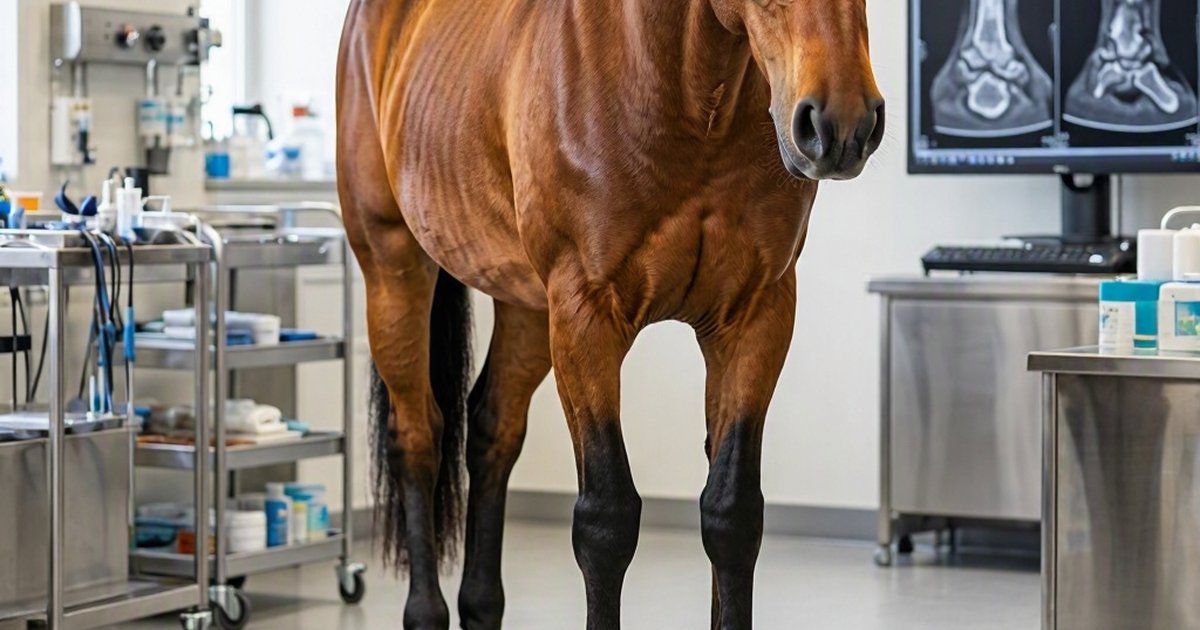
This study used a carefully controlled experimental setup to test the combination treatment. The researchers created a model of osteoarthritis in horses — specifically in the fetlock joint (the joint just above a horse’s hoof, roughly equivalent to a human ankle). Chips of bone or cartilage in this joint are a known trigger for osteoarthritis in horses, making it a well-recognized model for studying the disease.
The horses were treated with cord-blood mesenchymal stromal cells — a type of stem cell collected from the umbilical cord blood of foals at birth — combined with hyaluronic acid, which works as a joint lubricant and has its own mild anti-inflammatory properties. The two were used together, with researchers evaluating whether the combination had any measurable effect on the horses’ condition.
Key aspects of the study design:
- Controlled experimental model: Osteoarthritis was induced in the horses under controlled conditions, allowing the researchers to carefully observe the effects of treatment compared to a starting baseline.
- Combination therapy: Both stem cells and hyaluronic acid were administered together, testing whether the pairing offered benefits beyond either treatment alone.
- Two types of outcomes measured: The study looked for symptom-modifying effects (signs of reduced pain or joint trouble) and disease-modifying effects (changes suggesting the joint itself was being protected or repaired).
It’s important to note that because this was an experimental model — meaning the disease was induced in a controlled setting — the findings may not translate perfectly to horses with naturally occurring joint disease in the real world. The researchers acknowledged this limitation.
What the Researchers Found
Signs of Symptom Relief and Possible Disease Protection
The study’s findings were promising on two fronts. First, the combination treatment produced symptom-modifying effects — meaning the horses showed improved signs after treatment compared to what would be expected from the joint disease alone. Think of this as reducing the stiffness, lameness, or discomfort that OA typically causes.
Second — and this is the more significant finding — researchers observed potential disease-modifying effects. This means the treatment may have done more than simply mask the symptoms. It may have influenced the actual disease process inside the joint. This is exactly the kind of result that regenerative medicine researchers have been hoping to see, because disease modification is far harder to achieve than symptom control.
These are encouraging early-stage results. The word “potential” in the findings is important: this study is a controlled experimental model, not a large-scale field trial. The results need to be confirmed through further research before this treatment becomes standard clinical practice.
What Stem Cell Therapy Could Mean for Your Horse
A Possible Step Forward for Joint Care
If you have a horse with joint disease — or one at risk for it — this research is genuinely encouraging news. It suggests that combining stem cells with hyaluronic acid could eventually offer a way to both ease discomfort and protect joints over time. That’s a combination that current mainstream treatments don’t reliably provide.
For now, though, this therapy is not yet established as a standard of care. The experimental model used in the study may not perfectly reflect how OA develops and progresses in real horses in the field. Larger clinical studies in naturally affected horses will be needed to confirm these effects and refine treatment protocols.
That said, regenerative treatments like stem cell therapy are increasingly available through equine specialists, and many performance horse owners and their vets are already exploring these options. This study adds to a growing body of evidence that these approaches deserve serious attention.
Talking to Your Equine Veterinarian About Joint Health
If you are concerned about joint pain in your horse, the best next step is always a conversation with your equine vet. Here are some signs worth mentioning at your next appointment:
- Stiffness when starting exercise, especially in colder weather
- Shortened stride or reluctance to pick up a particular lead
- Swelling, heat, or sensitivity around a joint
- Subtle changes in performance or willingness to work
- Lameness at any gait, even if intermittent
Your vet can assess whether joint disease is present, how advanced it is, and which treatment options make the most sense for your horse’s age, use, and history. Regenerative options, including stem cell therapies, are worth asking about — your vet can help you understand what’s currently available and whether your horse might be a candidate.
Study Limitations to Keep in Mind
This study used a controlled experimental model of osteoarthritis, which is a strength in some ways (it allows precise measurement) but a limitation in others. Horses in experimental models have disease that is induced deliberately, which may behave differently from naturally developing joint disease. How the joint degenerates, how quickly it progresses, and how it responds to treatment could all differ in a real-world clinical setting.
The sample size for this study was not reported in available materials, and further large-scale research is specifically called for by the authors. The study itself describes its conclusions as warranting further investigation — which is the honest, scientifically appropriate position for a promising but early finding.
This does not mean the results are unimportant. It means they are a strong foundation for the next phase of research, and a reason for optimism rather than immediate clinical change.
Where Horse Joint Care Goes From Here
Horse osteoarthritis is a tough problem without a perfect solution — but this study adds meaningful evidence that combining cord-blood stem cells with hyaluronic acid may offer something different: both symptom relief and a potential protective effect on the joint itself. That’s the kind of outcome the equine community has been searching for.
For horse owners, the most useful takeaway right now is to stay informed and stay in close conversation with your vet. Regenerative medicine for horses is a rapidly developing field, and the treatments available in specialist clinics are improving. Studies like this one are moving the science forward — bringing better options for horses and the people who care for them closer to reality.
This article summarizes peer-reviewed research for educational purposes. Always consult with your veterinarian for personalized advice about your pet’s health and behavior.