Inside the Standardized Wound Study in Dogs and Cats
Do dogs and cats heal wounds the same way? The answer is no, and a new controlled study published in the journal Pets shows just how different the two species can be—and how certain topical treatments may help wounds heal faster in both. Researchers compared wound healing in dogs and cats using standardized experimental wounds treated with either Manuka honey, a gel called Dermapliq, or no treatment at all (the control group). The results showed clear species differences in healing speed, and both treatments were linked to reaching important healing milestones earlier than untreated wounds.
This research matters for any pet owner who has had to deal with a skin wound on their dog or cat. Understanding that the two species don’t heal on the same timeline—and that treatment choices can make a difference—gives you better questions to ask your vet.
What Happens When a Wound Heals “On Its Own”
When a wound is left to heal without stitches—either because it’s too large, too contaminated, or in a location that can’t be closed—the body rebuilds the skin in stages. This is called secondary-intention healing (healing from the inside out, rather than being sewn shut).
There are two key stages in this process:
- Granulation: The wound fills in from the bottom with new tissue—a pink, bumpy layer called granulation tissue. Think of it like the foundation of a building being poured before the walls go up.
- Epithelization: New skin cells migrate in from the edges, covering the granulation tissue and closing the surface. This is the “roof” going on.
Both stages take time, and this study looked at which treatments helped each stage happen sooner.
The Two Treatments in the Study
Manuka Honey
Manuka honey is a type of honey from New Zealand bees and has been used in wound care for both humans and animals. It has well-documented antibacterial properties and is thought to support the healing process by keeping wounds moist and reducing bacterial load.
Dermapliq
Dermapliq is a commercial wound-care gel. In this study, wounds treated with Dermapliq reached the epithelial coverage stage—meaning the new skin layer formed—earlier than wounds in the untreated control group.
What the Researchers Found
Dermapliq Helped Wounds Close Faster
Wounds treated with Dermapliq reached epithelial coverage—the point where new skin cells have spread across the wound—earlier than untreated wounds. That’s a meaningful result: getting a wound surface sealed over sooner reduces infection risk and marks a key milestone in full recovery.
Manuka Honey Sped Up Granulation
Wounds treated with Manuka honey reached complete granulation coverage faster. Granulation is the stage before new skin grows, so speeding it up means the wound can move to the closing-over stage more quickly.
Cats Took Longer Than Dogs to Hit Key Milestones
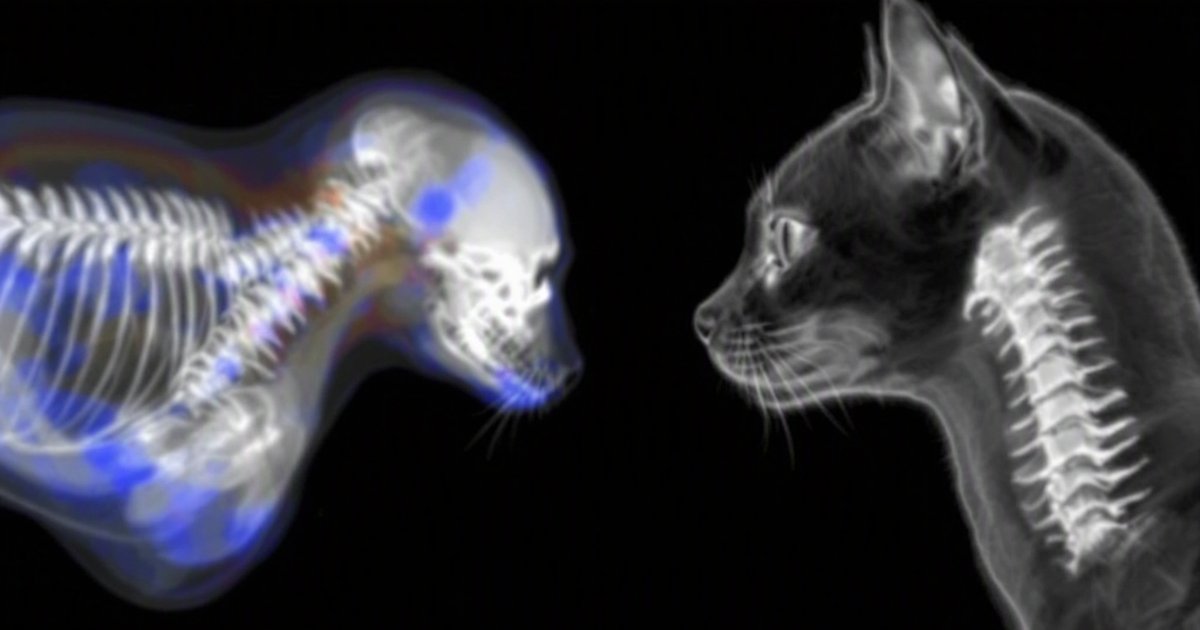
One of the most striking findings was the species difference. Cats generally progressed more slowly to key healing endpoints than dogs. In other words, what might take a dog a certain amount of time to heal could take a cat noticeably longer—at the same wound size and under the same conditions.
This isn’t a reflection of anything being wrong with cats. It simply reflects the fact that dog and cat biology are different in ways that include how they repair skin. This has real implications for wound management: a timeline that looks normal in a dog might be perfectly fine—or even progressing well—in a cat.
What These Results Change for Dog and Cat Owners
Don’t Assume a Cat Heals Like a Dog
If you’ve had dogs before and are now dealing with a cat’s wound for the first time, be careful about comparing timelines. A cat’s wound can look “slow” by dog standards and still be healing normally. Checking in with your vet before worrying is always a good idea.
Topical Treatments Can Make a Difference
The study suggests that how a wound is treated—not just whether it’s cleaned—can affect how fast it moves through the healing stages. Manuka honey and Dermapliq both showed benefits over leaving wounds untreated, though at different points in the healing process.
That said, this doesn’t mean you should apply any wound product at home without guidance. The wrong product, or incorrect application, can actually slow healing or introduce new problems. Always ask your vet what treatment is right for your pet’s specific wound.
Treatment Timing May Matter
The finding that the two treatments helped at different stages (granulation vs. epithelization) hints that the best product to use may depend on where the wound is in its healing process. Your vet may choose different products at different points in treatment—and now there’s experimental evidence to support that kind of stage-aware approach.
Important Limitations to Know
The study used experimentally created, standardized wounds—not naturally occurring injuries. The researchers explicitly noted that the findings should not be generalized to large, contaminated, infected, chronic, or naturally occurring wounds. Real-world wounds are messier, more variable, and harder to treat than controlled experimental wounds.
This means the results are a useful starting point—they show that species-specific healing exists and that these treatments can make a difference under controlled conditions—but they don’t tell us exactly how things will play out with a bite wound, a surgical incision, or a scraped paw.
When to Contact Your Veterinarian
Get in touch with your vet if your pet has a wound that:
- Isn’t visibly improving or is getting larger
- Has redness, swelling, or discharge that’s increasing
- Smells bad (a sign of infection)
- Your pet keeps licking, chewing, or pawing at
- Involves a deep puncture or an area near a joint
- Has been present for several days without obvious progress
And remember: never apply human wound products—including human-formulated Manuka honey products—to a pet without veterinary approval. Concentrations and formulations vary widely, and some ingredients safe for humans are harmful to animals, especially cats.
What Owners Should Take From This Wound Study
Dogs and cats don’t heal wounds the same way—cats tend to move through key healing stages more slowly than dogs. A controlled study also found that topical treatments like Manuka honey and Dermapliq were linked to reaching important milestones sooner than leaving wounds untreated. These findings give vets and pet owners a clearer picture of what to expect and how treatment choices can matter. If your dog or cat has a wound that needs to heal on its own, talk to your vet about wound care options and realistic timelines for your specific pet and situation.
This article summarizes peer-reviewed research for educational purposes. Always consult with your veterinarian for personalized advice about your pet’s health and care.