Heart Wall Thickening Can Appear in Some Cats After Spay or Neuter
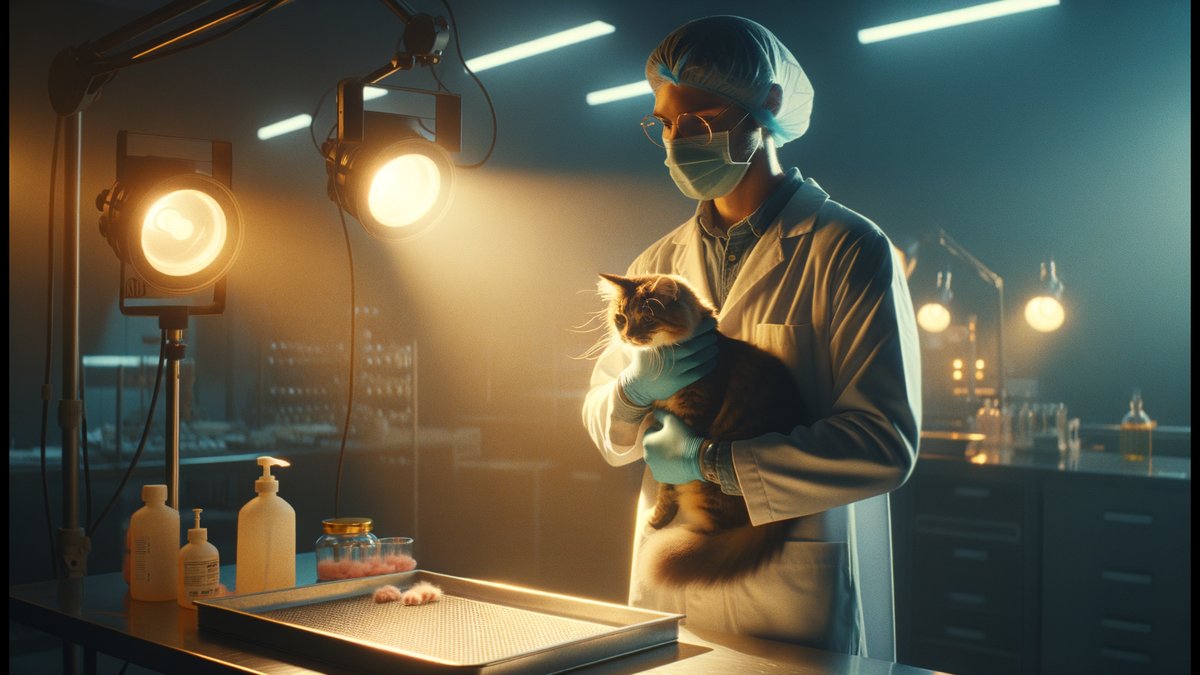
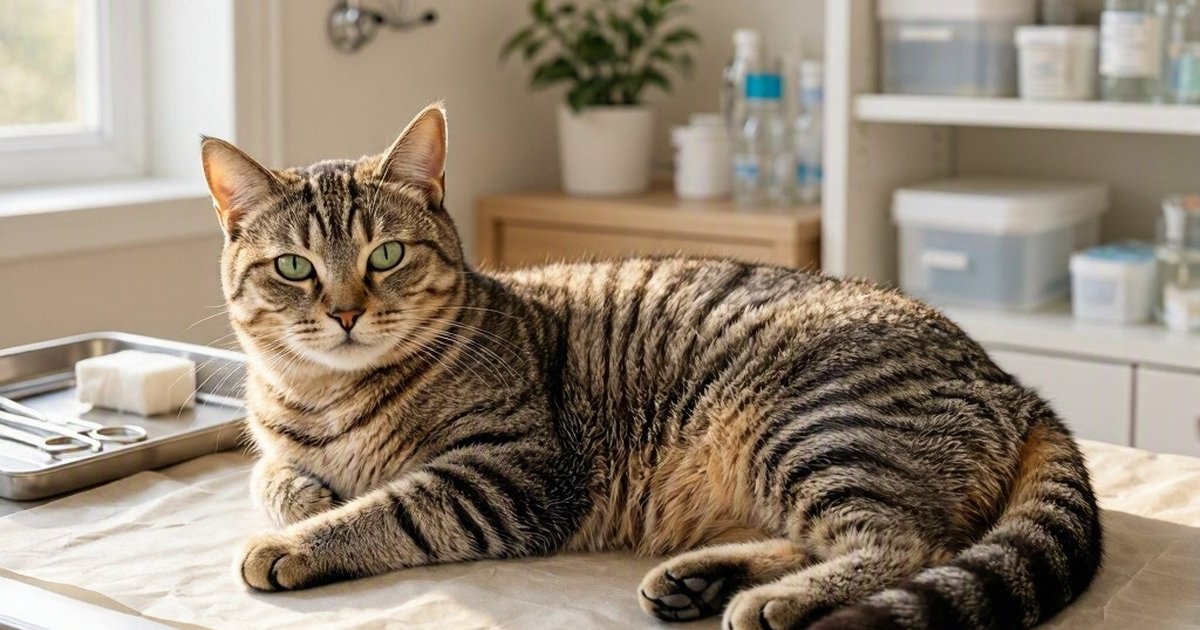
After getting your cat spayed or neutered, you’d hope the hardest part would be over. But a small number of cats develop a surprising finding after surgery: the walls of the heart temporarily thicken. This type of heart wall change — called transient myocardial thickening (“myocardial” just means relating to the heart muscle, and “transient” means it doesn’t last) — can look strikingly similar to a serious, long-term heart condition called hypertrophic cardiomyopathy (HCM).
A new study published in the journal Animals looked at cats that did and did not develop this temporary thickening after gonadectomy (the medical term for spay or neuter surgery). The researchers focused on the anesthetic and analgesic (pain-relieving) protocols used during surgery, and found that the choice of anesthesia may be linked to which cats develop this finding afterward.
Why Temporary Heart Thickening Can Be Confused with a Serious Condition
The heart is a muscle, and like all muscles, its walls can change thickness. Hypertrophic cardiomyopathy (HCM) is the most common heart disease in cats, and it involves permanent, abnormal thickening of the heart muscle walls. It can lead to breathing difficulties, blood clots, and in serious cases, heart failure. So when a vet spots heart wall thickening on a cardiac ultrasound (called an echocardiogram), HCM is often the first concern.
What this study highlights is that not all heart wall thickening signals HCM. In some cats, the thickening appears after gonadectomy and may resolve on its own. This distinction matters enormously. A cat with true, ongoing HCM needs long-term monitoring and possibly medication. A cat experiencing a temporary post-surgical change needs a very different approach — mostly careful follow-up. Confusing the two could mean unnecessary alarm or treatments.
How the Researchers Approached This Question
This study used a retrospective design — meaning the research team looked back through existing veterinary records rather than designing a new experiment from scratch. They compared the medical records of cats that had developed transient myocardial thickening after gonadectomy to those of cats that underwent the same surgery without developing the condition.
The central question was: did the two groups of cats receive different anesthesia or pain management during their surgeries? This type of review is useful for finding patterns, but because it looks backward at events that already happened rather than testing a controlled intervention, it can identify associations only — it cannot tell us that any particular drug directly led to the thickening. The researchers acknowledged this limitation clearly.
What the Records Showed About Anesthesia and Heart Thickening
Anesthesia Protocols Are Associated with This Post-Surgical Finding
The study found that differences in how cats were anesthetized and given pain medication during gonadectomy may be associated with whether they later developed transient myocardial thickening. In other words, the specific combination of anesthetic agents and analgesics used at the time of surgery may be one factor in evaluating unexpected post-operative cardiac changes — though it cannot be identified as a direct trigger based on this type of study alone.
This is an early-stage, pattern-finding result. The researchers make clear that larger, controlled studies are needed before any firm conclusions can be drawn about which protocols are involved.
The Thickening Resembles HCM — but the Context Matters
A core finding of this research is that transient myocardial thickening after gonadectomy can closely mimic HCM on a cardiac ultrasound. This means that for a vet evaluating a post-surgical echocardiogram, knowing the patient recently underwent gonadectomy — and reviewing the anesthetic history — may help them decide whether the thickening is likely temporary or a sign of genuine underlying heart disease.
The study’s practical value is primarily for veterinary teams: it gives them a framework for thinking about unexpected cardiac findings in cats after surgery, rather than immediately treating the finding as lifelong HCM.
What This Means If Your Cat Is Scheduled for Spay or Neuter
Questions Worth Raising with Your Vet Before Surgery
Most cats handle routine gonadectomy without any cardiac complications, and this research does not suggest that spay or neuter surgery is dangerous for the heart. Still, it does offer some useful framing for owners:
- If your cat has a known heart condition, discuss this openly before scheduling surgery. Your vet may recommend a pre-surgical echocardiogram or choose specific anesthetic drugs with cardiac safety in mind.
- Ask about post-surgical follow-up if a cardiac finding is mentioned. Not every heart wall change seen after surgery reflects permanent disease.
- Know that a second look may be helpful. Because transient thickening can go away on its own, a follow-up echocardiogram after several weeks may clarify whether a finding is temporary or ongoing.
Signs After Surgery That Deserve a Vet Call
Contact your veterinarian promptly if, in the days after your cat’s spay or neuter procedure, you notice:
- Labored, rapid, or open-mouthed breathing
- Unusual fatigue or reluctance to move
- Loss of appetite lasting more than a day or two
- Sudden weakness or paralysis in the hind legs (which can signal a blood clot)
These can indicate a serious cardiac event and need immediate evaluation. If your vet mentions heart wall thickening found on a routine post-surgical ultrasound but your cat seems well otherwise, ask specifically whether this could be a temporary post-anesthetic finding and whether a follow-up scan is recommended.
Study Limitations to Keep in Mind
Because this is a retrospective study, the researchers worked with records that were created for clinical care — not for research. That means they couldn’t control for every variable. Individual differences in cat health history, how complex each surgery was, and post-operative care may all have influenced results in ways that weren’t fully captured in the records. The design means the study can surface associations for further investigation, not draw conclusions about direct relationships.
Larger prospective studies — ones that track cats from surgery forward with controlled protocols — will be needed to confirm whether and how anesthesia choices are linked to this cardiac finding. For now, the study’s contribution is raising the question and helping veterinary teams think more carefully about unexpected post-surgical cardiac findings.
Temporary Thickening Is Not Always Lifelong Heart Disease
Some cats develop temporary heart wall thickening after spay or neuter surgery — a change that can look like hypertrophic cardiomyopathy (HCM) but may resolve over time. A new retrospective study found that anesthesia and pain management protocols used during surgery may be associated with which cats develop this finding. The research is most directly useful for veterinary teams interpreting unexpected post-operative cardiac results, but it also gives owners useful context: not every heart wall change seen after surgery means your cat has lifelong HCM, and a follow-up echocardiogram is a reasonable way to clarify any uncertain findings.
If you have questions about your cat’s heart health before or after surgery, your veterinarian is always the right first call.
This article summarizes peer-reviewed research for educational purposes. Always consult with your veterinarian for personalized advice about your pet’s health and behavior.