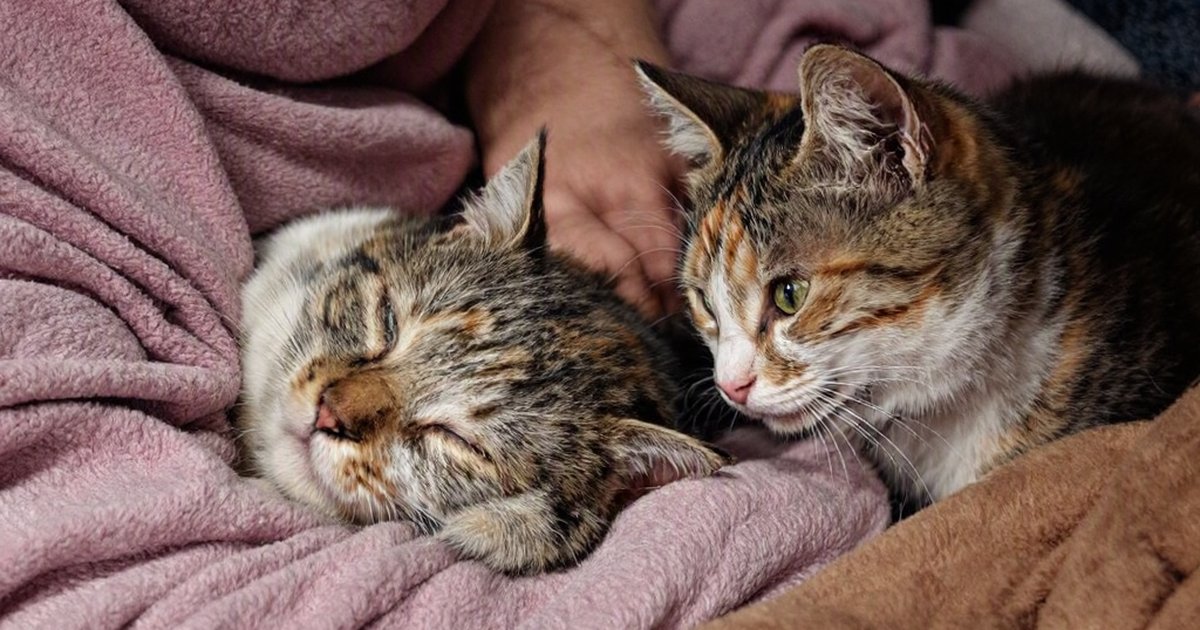
A Quick Training Changed How Shelter Workers Handled Cats
Cat welfare in animal shelters is linked to one surprisingly simple factor: how the people working there handle the animals. A new study in Frontiers in Veterinary Science found that a brief, best-practice training session for shelter staff was associated with a big jump in proper cat-handling practices — from just 2% of interactions rated as good, up to 25% two weeks after training. Six months later, the improvement still appeared to be holding — but that follow-up was based on a much smaller group.
The study tracked 47 shelter employees and volunteers at the start and again two weeks after the training, using video recordings to rate how well each person’s interactions with cats followed best practices. Only 19 of those 47 people were still being measured at the six-month mark. Because this was an observational, pre-post study (not a randomized controlled experiment), the findings describe an association rather than a guaranteed cause-and-effect link. The two-week improvement was clear; the six-month picture is far less certain.
Why Cat Handling in Shelters Matters So Much
A shelter cat’s life is already stressful. An unfamiliar place, strange sounds and smells, limited space, and no familiar routine all add up. How staff interact with cats during this time can either ease that stress or add to it. Good handling looks like calm, gentle approaches, reading the cat’s body language, and giving the animal some control over the interaction. Poor handling — rushing the animal, grabbing suddenly, or ignoring signs of discomfort — can make an already-stressed cat more anxious and harder to place with a new family.
That matters for cat welfare, but it also has a practical side. Cats that experience less stress during their shelter stay are more likely to behave calmly during meet-and-greets with potential adopters. Getting handling right is one of the most direct ways shelters can improve outcomes for the cats in their care.
What the Researchers Looked At
The study enrolled 47 people — a mix of paid employees and volunteers — at shelters in the study region. Researchers filmed them interacting with cats before the training took place, then again about two weeks after the training, and then a final time six months later. Only 19 of the original 47 were still available for that six-month filming. Each interaction was scored based on a set of recognized best-practice standards for how shelter workers should handle cats.
The starting picture was sobering: only 2% of interactions were rated as meeting best-practice standards. That low baseline shows how much room there was to improve — and it also highlights how common it is for well-meaning shelter staff to handle cats in ways that, without training, can unintentionally add to their stress.
How Interactions Changed After Training
After a single educational session focused on best-practice handling, the percentage of interactions rated as good rose to 25% two weeks later, measured across all 47 participants. That’s more than a ten-fold increase from where things started.
The six-month check is where the numbers get less certain. Among the 19 people still being measured, the estimated rate was 37%. But the paper puts a wide margin of error around that figure (±27%). The true value could be much lower or much higher. The researchers also flag possible attrition bias — a fancy way of saying the people who stayed in the study may not look like everyone who started it. Staff who were most engaged with the training may also have been the most likely to stick around. So the fairest reading is that the gains appeared to hold at six months, not that they clearly kept rising.
The researchers suggest this pattern points to something worth following up on: that standardized education may produce changes in how shelter workers handle cats that last beyond the training day. A larger, better-retained follow-up group would be needed to say so with confidence.
What This Means for Shelter Cats and New Owners
How Staff Treat Shelter Cats Has a Ripple Effect
If you’ve ever adopted a cat and wondered whether its personality was shaped by its time in a shelter, the answer is very likely yes. Cats that experience calmer, more respectful handling during their shelter stay are more likely to show relaxed, friendly behavior — making them easier to place with adopters. Shelters where staff receive proper training may, in a real sense, be giving cats a better start in their next home.
Focused Training Makes a Difference — Without Major Investment
One practical message from this study is that you don’t need a multi-day certification course to move the needle. A focused, evidence-based session was linked to meaningful shifts in behavior two weeks later. The smaller six-month check hints those shifts may last, though that number rests on fewer than half the original group. For shelter managers and volunteer coordinators, this is encouraging news worth testing further.
What Good Cat Handling Looks Like
Whether you’re a shelter worker or someone bringing a newly adopted cat home, the same basic principles apply:
- Let the cat approach you when possible, rather than reaching in immediately
- Move slowly and speak quietly — sudden movements and loud voices raise a cat’s anxiety
- Watch body language such as flattened ears, a tucked tail, or a crouched posture, which signal discomfort
- Support the cat’s whole body when picking it up, rather than grabbing from above
- Keep early interactions short and calm, especially with shy or stressed cats
These aren’t complicated techniques. But this study suggests that even a brief training session can help people put them into practice consistently.
Study Limitations to Keep in Mind
This was an observational, pre-post study with no comparison group of untrained workers. That means we can’t fully rule out other reasons for the improvement, such as increased motivation or awareness that the study was being conducted. The findings describe a strong association — not a proven cause-and-effect relationship. The six-month result is the weakest part of the picture. Only 19 of the 47 participants were reassessed, and the 37% figure carries a wide ±27% margin. The paper also flags possible attrition bias, so the people who remained may differ from those who dropped out. Results from the shelters involved may not reflect every shelter setting, staffing model, or cultural context. Larger studies with better follow-up would strengthen confidence in these findings.
Still, the short-term change was clear and measured across all 47 participants, which is a reasonable foundation for cautious optimism.
The Bottom Line
Shelter cat handling training is associated with clear short-term improvements in how staff interact with cats. In a study of 47 shelter employees and volunteers, proper handling practices jumped from 2% to 25% two weeks after a brief educational session. At six months, only 19 of those participants were reassessed. Their estimated rate of 37% came with a wide ±27% margin and possible attrition bias, so treat that longer-term number as preliminary. For anyone who cares about shelter cat welfare, it’s still a meaningful finding: investing in how people are taught to handle cats looks worthwhile.
This article summarizes peer-reviewed research for educational purposes. Always consult with your veterinarian for personalized advice about your pet’s health and behavior.