Coughing After Outdoor Play May Signal an Inhaled Object
Airway foreign bodies in dogs—pieces of plant material, grass seeds, or other small objects inhaled deep into the breathing tubes—can cause persistent coughing and serious respiratory problems. A UK multicenter retrospective study published in Animals found that bronchoscopy (a minimally invasive procedure where a tiny camera is passed into the airways) was frequently successful at removing these objects in both dogs and cats. Hunting breeds were among the most commonly affected, and the research highlighted that imaging plays an important role in pinpointing exactly where an inhaled object has lodged.
If your dog comes back from a walk coughing and won’t stop, an inhaled foreign body could be the reason. Knowing what to watch for—and when to act—could make all the difference.
Why Dogs Inhale Things They Shouldn’t
Dogs explore the world with their noses and mouths. When they sprint through tall grass, dense brush, or wooded areas, small pieces of plant material—especially grass awns (the sharp, spiky tips of certain grass plants) and seeds—can get pulled into their airways during a fast, deep breath. Once inside, these objects can travel surprisingly far. Instead of landing in the throat where a cough might clear them, they can pass deep into the bronchi (the branching breathing tubes inside the lungs) and get stuck.
Cats can inhale foreign bodies too, though this study found dogs—particularly hunting and working breeds that spend time in fields and undergrowth—were affected more often.
What the Study Looked At
This was a retrospective multicenter study from the United Kingdom, meaning researchers looked back through clinical records from multiple veterinary hospitals to find cases where dogs and cats had foreign bodies removed from their airways using bronchoscopy. A bronchoscope is a long, thin, flexible tube with a tiny camera and light at the tip; it can be passed through the mouth, down the throat, and into the lungs so vets can see what’s there—and retrieve it directly.
The researchers reviewed how these cases presented, what imaging tools were used before the procedure, and how often bronchoscopy was successful in removing the inhaled material.
What the Researchers Found
Hunting Breeds in Dogs Were Most Commonly Affected
One clear pattern: dogs were affected far more often than cats. Within dogs, hunting breeds were particularly overrepresented. This makes sense given the environments these dogs work and play in—dense brush, tall grass, and woodland—where plant material is plentiful and can easily be inhaled at speed during a run.
Coughing Was the Main Warning Sign
The most common reason owners brought these pets to the vet was coughing. In most cases, the coughing was persistent—not just a quick throat-clearing, but an ongoing cough that didn’t go away on its own. Owners who noticed coughing starting after outdoor exercise, especially in fields or wooded areas, were right to seek veterinary attention promptly.
Imaging Helped Pinpoint Where the Object Was
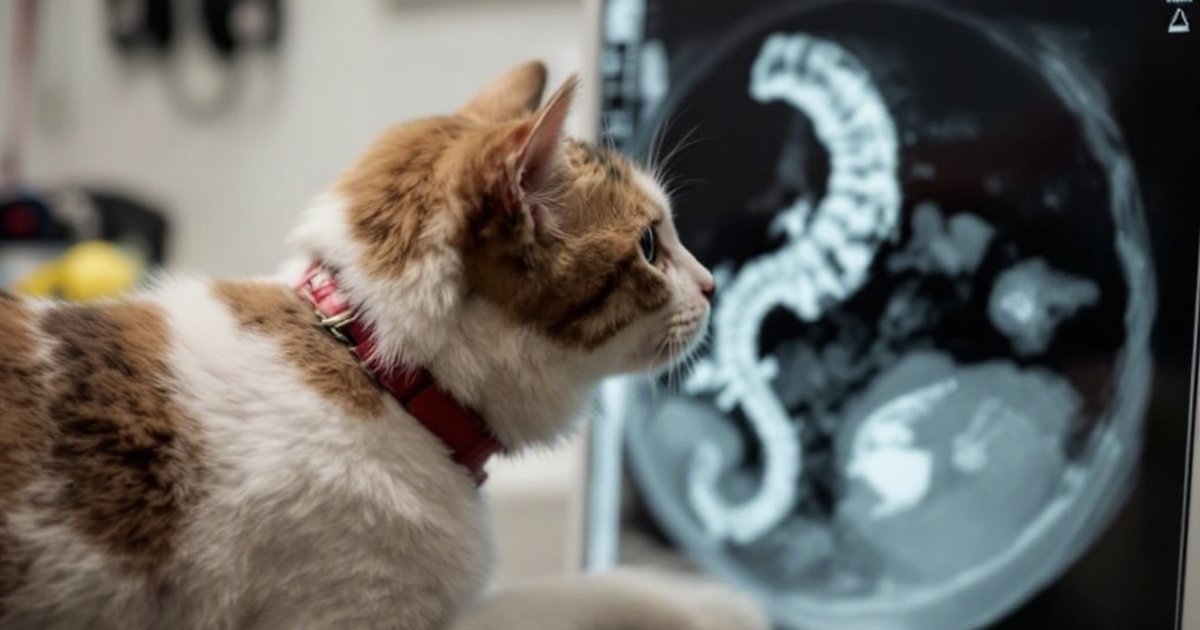
Before any procedure, imaging—such as X-rays or CT scans—helped identify where in the airways the foreign body had settled. The suspected location on CT matched the final location in 45 of 46 dogs and 4 of 5 cats. Radiography matched in 15 of 22 dogs and 2 of 2 cats. This step matters because the airways branch like an upside-down tree into many smaller passages. Knowing which branch the object traveled down helps the vet prepare, but the study authors said imaging should not replace a complete bronchoscopic examination of the airways.
Bronchoscopy Was Frequently Successful
The central finding of the study is that bronchoscopy was frequently successful at removing the inhaled objects. This is significant because airway foreign bodies can be difficult to treat—open surgery is an alternative but carries greater risk and recovery time. A less invasive approach that lets vets see and retrieve the material through the natural airway passages is a major advantage when it works.
What This Means for Your Dog or Cat
Watch for Persistent Coughing After Outdoor Time
If your dog—especially if they’re a hunting or field breed—develops a cough that doesn’t stop after running through long grass or wooded terrain, take it seriously. The same applies, though less often, to cats that spend time outdoors.
A cough that doesn’t clear within a day or two, gets worse over time, or is accompanied by labored breathing, gagging, or lethargy should prompt a vet visit without delay. Persistent coughing after outdoor exercise can reflect inhaled plant material and warrants professional assessment.
Imaging Before Treatment Makes a Difference
This study supports the value of imaging for localization, which means finding where the object is lodged. If your vet suspects an airway foreign body, X-rays or a CT scan can help plan the procedure. The study did not prove that imaging improved retrieval success, and it should not replace a full bronchoscopic examination.
Bronchoscopy Is a Proven Treatment Option
Knowing that bronchoscopy is frequently successful is reassuring for pet owners facing this diagnosis. If your vet or a specialist recommends this procedure, the evidence backs it as a useful tool. It still requires anesthesia and specialist equipment, so it typically happens at referral or specialist veterinary centers rather than every general practice.
Signs That Mean Call Your Vet Right Away
Contact your vet promptly if your pet:
- Develops a persistent cough after spending time outdoors—especially in fields, woods, or long grass
- Is gagging, retching, or making unusual noises when breathing
- Has labored or noisy breathing
- Seems lethargic, off food, or less interested in exercise than usual
- Is a hunting or working breed that has been in dense undergrowth
Don’t wait to see if the coughing resolves on its own. Airway foreign bodies can lead to infections or other complications if left untreated.
Limitations of This Study
Because this was a retrospective study—reviewing past records rather than following new cases prospectively—the findings describe associations and patterns rather than proven cause and effect. The cases came from referral hospitals, which may not reflect the full picture of what general practice vets encounter. Diagnostic and treatment choices were not identical for every patient, the feline sample was small, and the authors did not review long-term follow-up after discharge.
The full paper reported single-attempt bronchoscopic retrieval in 88 of 92 dogs and 13 of 14 cats. Four dogs underwent surgery, and every patient survived to discharge. Larger prospective studies across a wider range of settings would help confirm these findings and give even clearer guidance on which patients benefit most from bronchoscopy.
The Bottom Line
Tracheobronchial foreign-body inhalation is uncommon, but it matters—especially in hunting breeds after outdoor exercise. This UK multicenter retrospective study found that bronchoscopy was frequently successful for removing these objects, and that imaging was useful for localization before complete bronchoscopic examination. Coughing after outdoor activity is the most common early warning sign.
If your dog or cat develops a persistent unexplained cough—especially after time in grass or woodland—contact your veterinarian. Early assessment gives the best chance of a straightforward, successful outcome.
This article summarizes peer-reviewed research for educational purposes. Always consult with your veterinarian for personalized advice about your pet’s health and behavior.