Could a dietary supplement make your cat’s coat glossier and your cat’s skin healthier? A new randomized controlled trial — the most reliable kind of study — suggests that a combination of two specific ingredients may do exactly that. After 56 days, cats given a combined supplement of sodium hyaluronate and eggshell membrane showed the most consistent improvements in coat gloss, hair structure, and skin health compared to cats that did not receive it.
The study, published in Frontiers in Veterinary Science, enrolled 24 healthy six-month-old Ragdoll cats. While the sample is small and more research is needed, the findings are a meaningful first step for cat owners interested in nutrition-based approaches to skin and coat care.
Why Skin and Coat Matter Beyond Good Looks
For most cat owners, a shiny, healthy coat is one of the first signs their cat is doing well. But skin and fur aren’t just about appearances. Healthy skin acts as a protective barrier — much like a flexible wrap that keeps irritants and bacteria out and moisture in. When that barrier weakens, cats can develop dry skin, a dull coat, and even chronic itchiness.
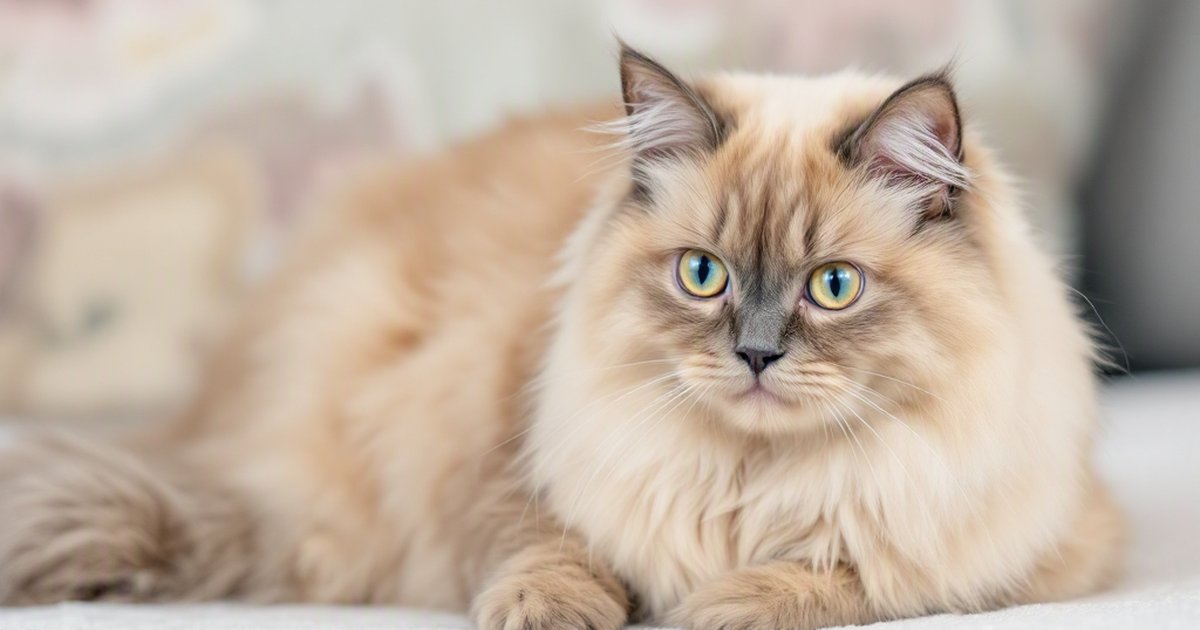
Ragdoll cats are known for their silky semi-long fur, which relies on good underlying skin health to look and feel its best. Some cats get everything they need from their regular food. But there’s growing interest in whether specific supplements — especially ones with moisture-holding or structural properties — might give skin and coat health an extra boost.
How the Study Was Set Up
Researchers divided 24 healthy six-month-old Ragdoll cats into four groups of six. Each group received a different treatment for 56 days:
- Control group — no supplement
- Sodium hyaluronate only
- Eggshell membrane only
- Combined supplement — both ingredients together
Sodium hyaluronate is a naturally occurring molecule found in skin that draws in and holds moisture. You may recognize it from human face serums and eye drops — it works like a tiny sponge inside skin tissues. Eggshell membrane is the thin film on the inside of an egg shell. It’s naturally rich in collagen and structural proteins that support connective tissue.
At the start and end of the trial, researchers used objective instruments to measure coat gloss, how individual hairs were structured, skin elasticity, and how much moisture the skin was losing over time.
The Combined Formula Outperformed Either Ingredient Alone
The standout finding was that the cats receiving both ingredients together — not either ingredient on its own — showed the most consistent improvements across all the measures tracked.
Coat gloss improved, meaning the fur reflected light better and had a healthier surface. Researchers also noted positive changes in the physical structure of individual hairs, suggesting the supplement may have supported how hair grows and develops from each follicle (the tiny pore in the skin each hair grows out of).
Skin Barrier and Moisture Results
Two important markers of skin health also changed for the better:
- Skin elasticity improved — this is how quickly and fully skin bounces back after being gently pressed. Picture a rubber band: healthy skin snaps back fast, while less healthy skin is stiffer and slower to recover.
- Transepidermal water loss (TEWL) — the amount of moisture that seeps out through the skin surface — was positively affected. Lower water loss signals a stronger skin barrier that locks moisture in and keeps irritants out.
Antioxidant and Hair Nutrient Levels Improved Too
Beyond the surface, researchers also measured markers inside the cats — specifically, antioxidant levels and the concentration of certain nutrients found within the hair itself. Both improved in the combined supplement group. Antioxidants help protect skin cells from low-grade cellular damage that can accumulate over time and affect how well the skin functions.
What This Could Mean If Your Cat Has Coat Concerns
This study doesn’t mean every cat owner should immediately add these supplements to their cat’s bowl. The research was small, short-term, and focused on a specific product formulation in one breed. But the results do suggest these two ingredients, given together, are worth watching as more research follows.
If your Ragdoll — or another cat with similar long, silky fur — has been showing signs of dull coat or dry skin, this gives you a specific, science-backed topic to raise with your veterinarian.
Signs Your Cat’s Skin or Coat May Warrant a Vet Visit
Consider contacting your vet if you notice:
- A dull, brittle, or dry coat that isn’t improving with regular grooming
- Flaky skin or visible dandruff
- Frequent scratching, licking, or rubbing that suggests skin discomfort
- Coat changes paired with weight loss, appetite changes, or lethargy (these can signal underlying illness)
Your vet can help determine whether a supplement might be appropriate for your cat’s age, breed, and diet — and rule out medical causes first.
What the Study Can’t Tell Us Yet
This trial was small — just six cats per group — and all were young (six months old). Results in juvenile Ragdolls may not apply to adult or senior cats, other breeds, or cats with existing skin conditions. The specific formulation tested may also behave differently from other supplement brands.
At 56 days, the observation window was also fairly short. Longer studies will be needed to confirm whether improvements hold over time and to check for any concerns with extended use. The researchers acknowledged these limits and called for follow-up work in larger, more diverse cat populations.
The Bottom Line
A small but carefully designed randomized trial found that a combined supplement of sodium hyaluronate and eggshell membrane improved coat gloss, skin elasticity, hair structure, and antioxidant levels in Ragdoll cats over 56 days. The combined formula performed better than either ingredient given on its own.
This is early science, limited to young Ragdolls and one specific product. Still, it’s an encouraging step. If you’ve been wondering whether a skin and coat supplement might help your cat, this study gives you a solid, evidence-based question to bring to your next vet visit.
This article summarizes peer-reviewed research for educational purposes. Always consult with your veterinarian for personalized advice about your pet’s health and behavior.