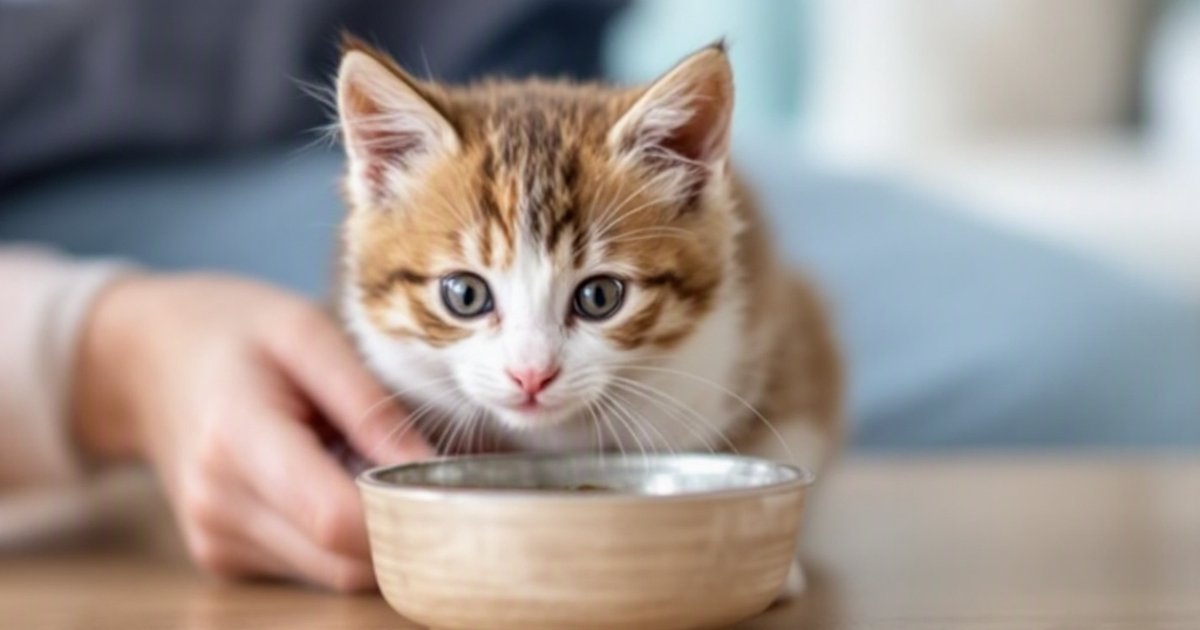
Adding a medicinal mushroom product to kitten diets was linked to better growth efficiency and improved immune and metabolic markers in an early feeding trial — but experts urge caution before adding any mushroom supplement to your kitten’s food bowl. A study published in Frontiers in Veterinary Science ran a 45-day controlled feeding trial with 20 weaned kittens to see whether a small addition of Inonotus obliquus — commonly known as chaga mushroom — could affect how they grew and how their bodies functioned. The findings are encouraging, but they come with important caveats every kitten owner should understand.
What Is Chaga, and Why Study It in Kittens?
Chaga (Inonotus obliquus) is a type of fungus — think of it as a mushroom relative — that grows on birch trees. It has a long history in traditional medicine in parts of Northern Europe and Asia, where people have used it as a tea or supplement. In recent years, researchers have become interested in whether certain compounds in chaga might support immune function and gut health in animals.
Kittens are a particularly interesting population for this kind of research. Their first weeks and months of life are a critical window for healthy development. The gut microbiome (the community of helpful bacteria living in the digestive tract) and the immune system are both forming during this time. If certain dietary ingredients can support those systems during early growth, the potential benefit is meaningful.
This study was designed to take a first look at whether a chaga-based fermentation product — a specific processed form of the mushroom — could have measurable effects on kitten health over a six-week period.
How the Study Worked
Researchers set up a straightforward controlled feeding trial:
- 20 weaned kittens were divided into groups and monitored over 45 days.
- One group received food supplemented with 0.8% of the chaga mushroom product (Inonotus obliquus); the control group received standard diet without the supplement.
- Researchers tracked growth measurements (how efficiently the kittens were converting food into body weight) as well as immune and metabolic markers in the blood and gut.
- The trial design allowed direct comparison between supplemented and unsupplemented kittens raised under the same conditions.
A “fermentation product” just means the mushroom material was processed using fermentation — a method similar to how yogurt is made — which can make certain active compounds easier for the body to absorb.
What the Trial Found
Kittens on the Mushroom Diet Grew More Efficiently
The most notable finding was that kittens fed the chaga-supplemented diet showed improved growth efficiency — meaning they gained more from the same amount of food. Think of it like fuel economy: the supplemented kittens were getting more mileage from their diet during this early growth phase.
Immune and Metabolic Markers Shifted Positively
The study also found that several immune and metabolic measures were positively affected in the chaga group. In plain terms, the kittens’ immune systems and body chemistry showed favorable changes compared to the unsupplemented kittens. These are early signals that the ingredient may interact with the gut-immune connection in a useful way — though more research is needed to understand exactly what this means long-term.
What This Means — and What It Doesn’t
These are genuinely interesting findings, especially for owners who want to give their kittens the best possible start. But it’s important to translate them carefully.
This was a pilot study — an early investigation with a small number of animals. The results tell us the approach is worth studying further; they don’t tell us that adding chaga mushroom to your kitten’s food will produce the same results at home.
A few things matter here:
- The study tested one specific product at a specific dose (0.8% of the diet). Results cannot be assumed to apply to other mushroom supplements, products, or doses sold in pet stores or online.
- The sample size was small — 20 kittens total. That’s a reasonable starting point for an exploratory trial, but not enough to draw firm conclusions.
- The trial lasted 45 days. Longer-term effects, both positive and negative, are not yet known.
Before You Add Anything to Your Kitten’s Bowl
If you’re curious about mushroom supplements or functional food additives for your kitten, the right first step is a conversation with your veterinarian — ideally one with a background in feline nutrition. They can assess your specific kitten’s needs, review the ingredient in question, and advise on whether there’s any benefit or risk in your situation.
Never add supplements to a kitten’s diet without professional guidance. Kittens have very specific nutritional needs, and well-intentioned additions can sometimes cause imbalances or interactions. This is especially true during the critical early growth phase the study was examining.
Why This Research Matters, Even at Early Stages
Studies like this one help lay the groundwork for better understanding how specific dietary ingredients might support feline health. The gut-immune connection is an active area of veterinary research, and findings from controlled trials — even small ones — contribute to the evidence base that eventually shapes how commercial kitten foods are formulated.
For now, the takeaway is that chaga mushroom as a dietary ingredient shows early promise in kitten growth and immune health, and that this specific product and dose warrant further investigation. That’s a meaningful step forward, even if it’s not a prescription for your pantry just yet.
The Bottom Line
A small but carefully designed 45-day trial found that a chaga mushroom supplement added to kitten food at 0.8% was associated with better growth efficiency and positive changes in immune and metabolic markers. The results are promising but preliminary — they apply to one specific product in a small study population. If you’re interested in supporting your kitten’s growth and gut health through nutrition, talk to your veterinarian before making any dietary changes. Commercial kitten foods formulated to AAFCO standards already meet all of your kitten’s essential needs; any additions should be discussed with a professional first.
This article summarizes peer-reviewed research for educational purposes. Always consult with your veterinarian for personalized advice about your pet’s health and behavior.