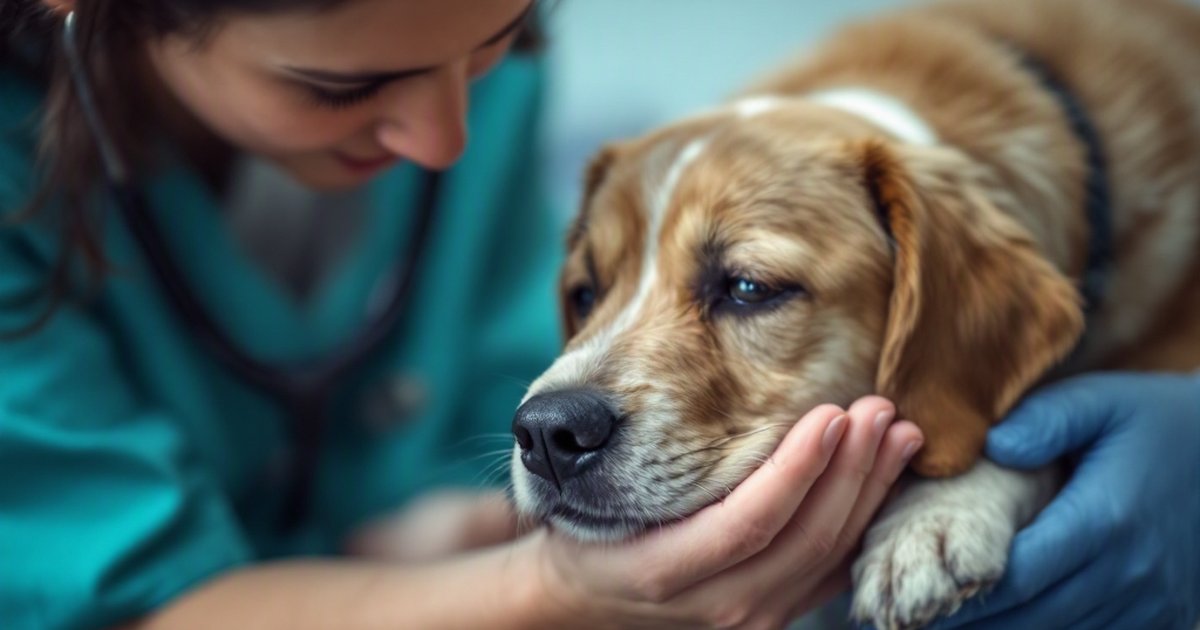
Your Vet May Be Your Pet’s Best Advocate — If They Have the Right Tools
Animal abuse reporting in pets depends heavily on whether veterinarians have proper training and legal support — and a new survey suggests many do not. Research published in Veterinary Sciences found that vets who had more education on recognizing abuse were better at identifying it. Those who understood the legal steps involved were more likely to act on their suspicions. But many vets felt unsure about both, making it harder for them to step in and protect animals in danger.
If you’ve ever wondered what happens when a vet suspects a dog or cat is being harmed, this study sheds light on why some cases get reported and others slip through the cracks.
The Challenge No One Talks About
Veterinarians see a wide range of pets — from healthy dogs in for a checkup to animals with unexplained injuries, poor body condition, or signs of neglect. They’re often the only professionals who examine these animals up close. That puts them in a unique position to notice signs of harm that no one else might catch.
But noticing something and doing something about it are two different things. Reporting suspected abuse means navigating complex feelings — not wanting to accuse a client unfairly, not knowing which agency to call, or worrying about legal consequences. Without clear training and legal guidance, even a caring vet can feel paralyzed.
This is the gap the researchers wanted to understand.
About the Study
The researchers conducted a cross-sectional survey — meaning they collected responses from a group of people at a single point in time, like a snapshot of attitudes and experiences. The participants were companion-animal veterinarians in Romania who work with dogs and cats as part of their regular practice.
The survey asked about:
- How confident vets felt recognizing signs of animal abuse
- Whether they knew the legal steps for reporting
- How their relationship with the pet’s owner affected their decisions
- What formal training, if any, they had received on the topic
The goal was to find out what factors made it more or less likely that a vet would take action when abuse was suspected.
What the Survey Found
Training Shapes the Ability to Recognize Abuse
Vets who had received specific education on animal abuse — what warning signs look like, how injuries from abuse differ from accidental ones, and how to document findings — reported feeling more confident in identifying it. Without that training, distinguishing an accidental injury from a deliberate one can be genuinely difficult. Broken bones, burns, and bruises can have innocent explanations. Training teaches vets how to think critically about those cases and ask the right questions.
Legal Knowledge Shapes the Willingness to Report
Knowing what to do after identifying possible abuse turned out to matter just as much as knowing how to spot it. Vets who understood their legal obligations and protections — such as whether they were required to report, who to report to, and whether they were shielded from liability if a report turned out to be wrong — were more likely to follow through with a report.
When that legal knowledge was absent, vets often held back. The fear of falsely accusing someone, or of being dragged into a legal process without support, created real hesitation.
The Vet-Client Relationship Creates Pressure
One of the more nuanced findings was how the relationship between a vet and a pet owner could influence decision-making. Vets who had a long, trusted relationship with a client sometimes found it harder to suspect or report them. This isn’t unique to veterinary medicine — it’s a known challenge in human healthcare too. Familiarity can blur professional judgment.
The survey suggests that without clear institutional support — standard protocols, supervisory guidance, or a formal reporting framework — individual vets are left to navigate these pressures alone.
What This Means for Dog and Cat Owners
Your Vet Is a Safety Net — But Gaps Exist
Most veterinarians genuinely care about the animals in their care. But this survey suggests that without the right training and legal support, some may lack the confidence or tools to act when they suspect something is wrong. That’s not a character flaw — it’s a system gap.
As a pet owner, it helps to understand that your vet is often working within an imperfect system. Advocacy efforts aimed at improving vet education and creating clear reporting pathways could have real benefits for animal welfare.
You Don’t Have to Wait for Your Vet to Act
If you suspect a pet — your own, a neighbor’s, or a stray — is being abused or neglected, you don’t need to go through a veterinarian to report it. Most regions have animal control agencies, humane societies, or law enforcement units that handle these reports directly. You can contact them yourself.
Here are practical steps you can take:
- Document what you observe — Dates, photos, and written notes about what you saw, heard, or noticed can support an investigation.
- Contact your local animal control agency — In most areas, you can report suspected abuse anonymously.
- Call a humane society or SPCA — These organizations often investigate abuse reports and can coordinate with law enforcement.
- Ask your vet directly — If your vet has examined an animal you’re concerned about, you can ask what their professional assessment is and whether they have any concerns.
Signs That May Warrant a Welfare Check
You should consider reaching out to animal welfare authorities if you observe:
- Unexplained or repeated injuries in a pet
- An animal that appears severely underweight, dehydrated, or dirty
- A pet kept in cramped, filthy, or extreme-weather conditions
- An animal that flinches, cowers, or shows fear around its owner
- Sounds of an animal in distress on a regular basis
Study Limitations Worth Knowing
This study focused on veterinarians in Romania, which means the findings reflect the legal and institutional landscape there. Other countries have different reporting laws, training requirements, and veterinary cultures, so the specific patterns may not translate directly. The study also used self-reported survey data, which means responses reflect what vets said they would do — not always what they do in practice. Larger, multi-country studies would give a clearer picture of how widespread these training and legal gaps are.
The Bottom Line
When a dog or cat is being harmed, veterinarians are often the first qualified professionals to see it. But this survey suggests that without stronger training and clearer legal support, many vets struggle to take action — not because they don’t care, but because the system hasn’t given them the tools they need.
For pet owners, the takeaway is twofold: trust that most vets take animal welfare seriously, and know that you have the power to report abuse directly if you suspect it. Animal protection doesn’t have to start — or stop — at the vet’s office.
This article summarizes peer-reviewed research for educational purposes. Always consult with your veterinarian for personalized advice about your pet’s health and behavior.