The Good News: Most Common Tortoise Health Problems Are in Your Hands
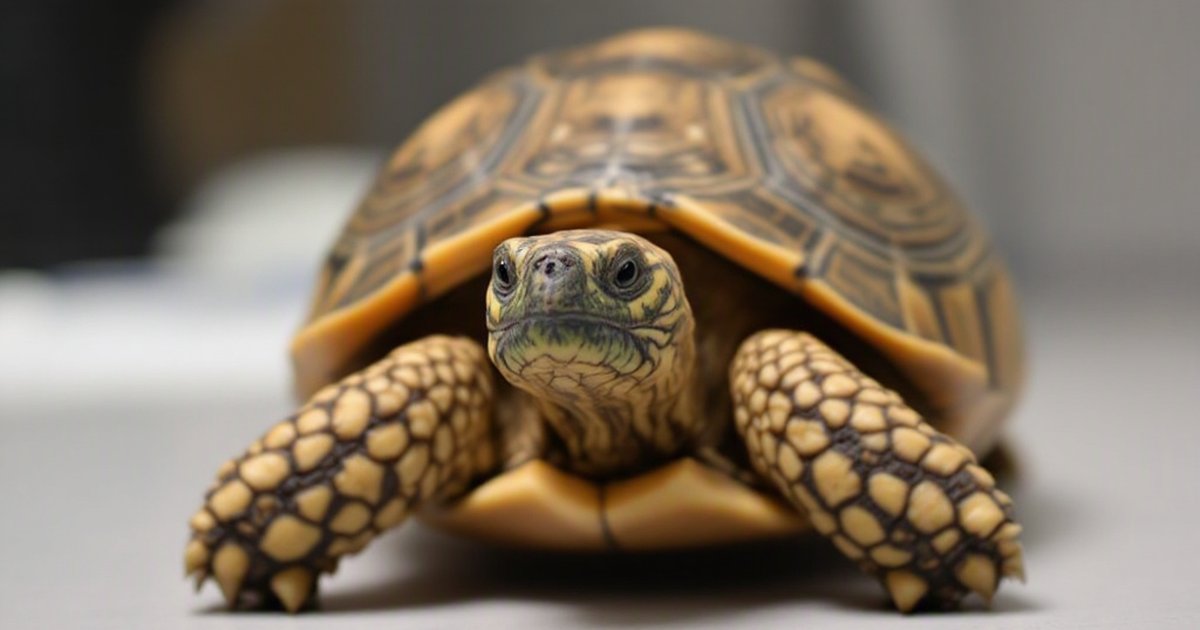
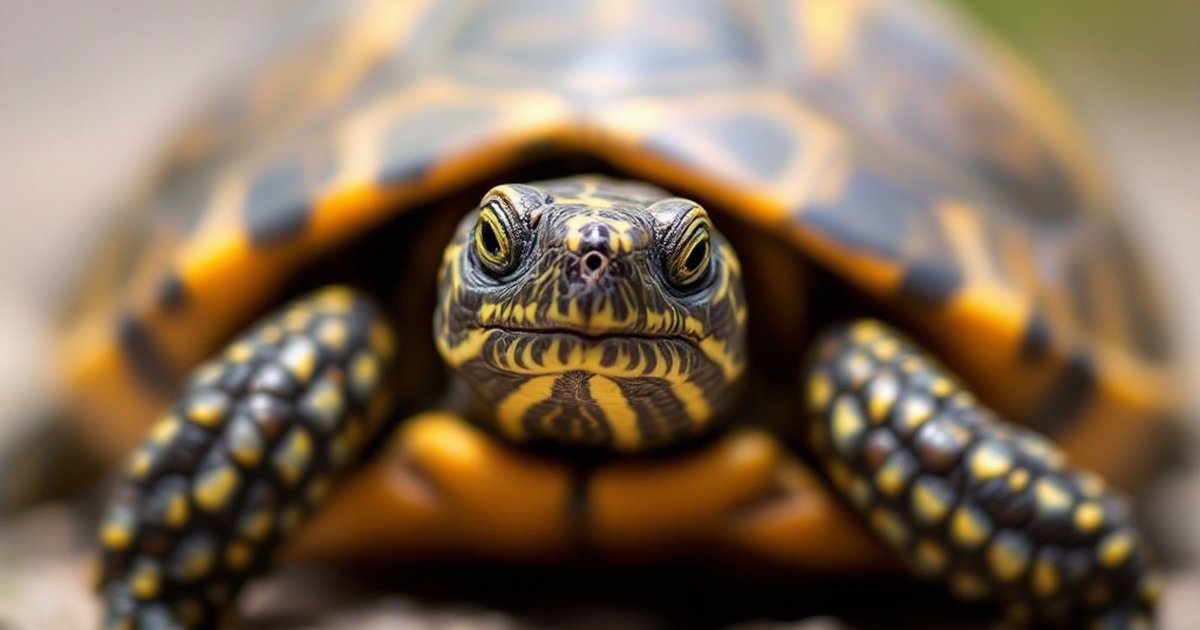
Tortoise health problems that land pets in the vet’s office are more preventable than most owners realize — and a large new study backs that up. Researchers analyzed the health records of 2,040 tortoises and turtles under veterinary care in the UK and found that the most frequently seen problems were things like beak abnormalities and overgrown nails. These aren’t random bad luck. They’re closely tied to how a tortoise is kept at home. Published in PLOS ONE, the study makes a clear case: better owner education could spare a huge number of pet chelonians (the scientific family name for turtles and tortoises) from unnecessary suffering.
If you own a tortoise or turtle, this research is directly relevant to you. The conditions your pet lives in — the food it eats, the space it has to move, the surfaces it walks on — all play a big role in whether these problems develop in the first place.
Why So Little Has Been Known About Tortoise Health
Dogs and cats dominate veterinary research. Tortoises, turtles, and other reptiles have historically received far less attention, which means vets and owners often have limited guidance on what common problems look like and how often they actually occur.
This study fills an important gap. It used data from the VetCompass Programme — a large UK-based system that collects real clinical records from thousands of vet practices. By pooling records from thousands of animal visits, researchers could see patterns that would be impossible to spot in a single clinic. The result is one of the first large-scale pictures of what actually brings chelonians to the vet, and what’s driving those visits.
How the Study Was Conducted
The researchers reviewed veterinary records from 2,040 tortoises and turtles seen at practices participating in the VetCompass Programme. This is called a cohort study — meaning the researchers followed a defined group of animals and looked at what health issues appeared in their records over time. Think of it like a health diary for thousands of tortoises all at once.
Rather than testing treatments or comparing drugs, this study was about describing what’s happening in the real world. What problems are vets actually seeing? How often? And can those problems be traced back to how the animals are being kept at home?
The findings are based on conditions recorded during actual veterinary visits — so the results reflect real cases, not theoretical risks.
What the Vets Were Seeing Most Often
Beak Abnormalities: A Sign of the Wrong Diet or Environment
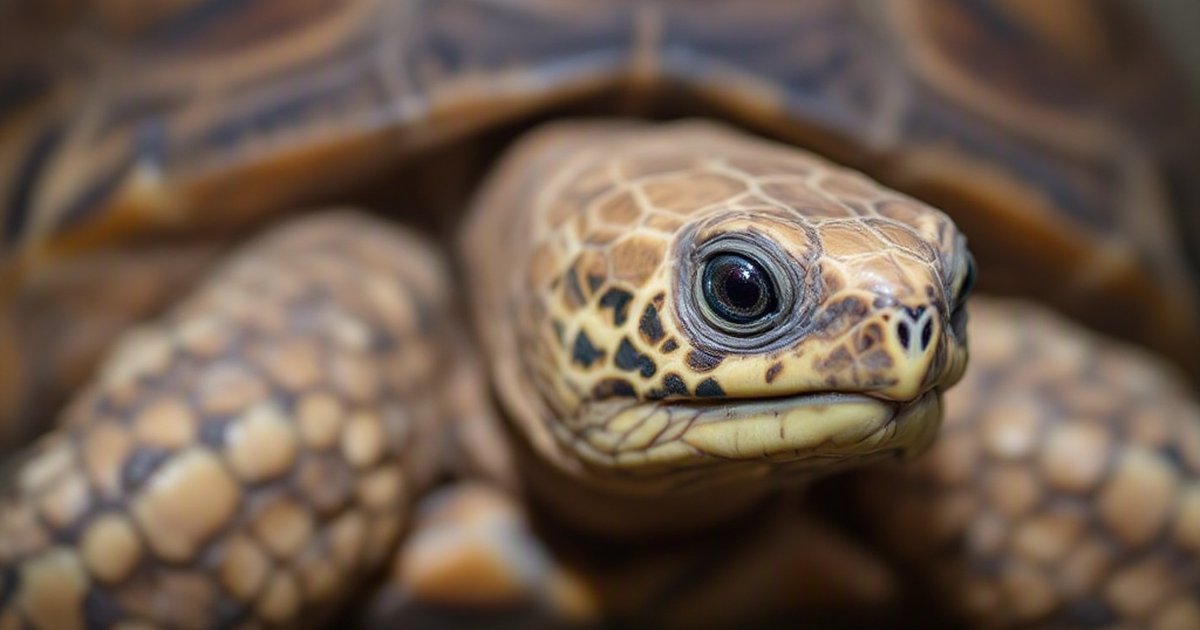
One of the most common findings was beak abnormalities — problems with the shape or length of the tortoise’s beak (the hard, keratin-covered mouth, similar to a bird’s beak). In the wild, tortoises naturally wear down their beaks by eating tough vegetation and moving over rough surfaces. When tortoises are kept in captivity and fed soft foods or kept on smooth surfaces, the beak doesn’t wear down properly. It can become overgrown, misaligned, or deformed — making it harder for the tortoise to eat and pick up food.
This is a husbandry problem, meaning it comes from how the tortoise is kept. With the right diet (including tougher plant material) and an appropriate enclosure setup (with rough surfaces to walk on), many beak issues simply don’t develop.
Overgrown Nails: Another Preventable Issue
Overgrown nails were also commonly recorded. Like the beak, a tortoise’s nails are naturally kept in check through regular movement over rough, natural terrain. In a captive setting with smooth flooring or limited space to roam, nails don’t wear down the way they would outdoors. The result is nails that grow too long — which can affect how the tortoise walks and even lead to injury.
Again, this comes back to the environment the animal is kept in. It can often be managed at home or addressed during a routine vet visit before it becomes a bigger problem.
A Pattern Points to Care Practices
What ties these common problems together is that they’re both linked to husbandry — the word vets use for the day-to-day practices of keeping and caring for an animal. The food you offer, the enclosure you build, the surfaces your tortoise walks on, and how much space it has to move around all count as husbandry. The study found that many of the most common disorders in tortoises and turtles are connected to these care decisions.
That’s both a sobering finding and an encouraging one. It means a lot of suffering is preventable — but it also means many owners may not have the information they need to prevent it.
What This Means for Tortoise and Turtle Owners
Husbandry Is the Foundation of Good Health
The most important takeaway from this study is that what you do at home matters enormously. Tortoises and turtles are often seen as low-maintenance pets — but that reputation can be misleading. Their needs are specific, and getting those needs wrong is one of the main reasons they end up at the vet.
Here are some practical steps backed by the study’s findings:
- Offer the right diet. Tortoises generally need high-fiber, low-protein vegetation — think leafy greens, weeds like dandelion, and plants suited to your specific species. Soft fruits and vegetables should be occasional treats, not staples. A diet that’s too soft contributes to beak overgrowth.
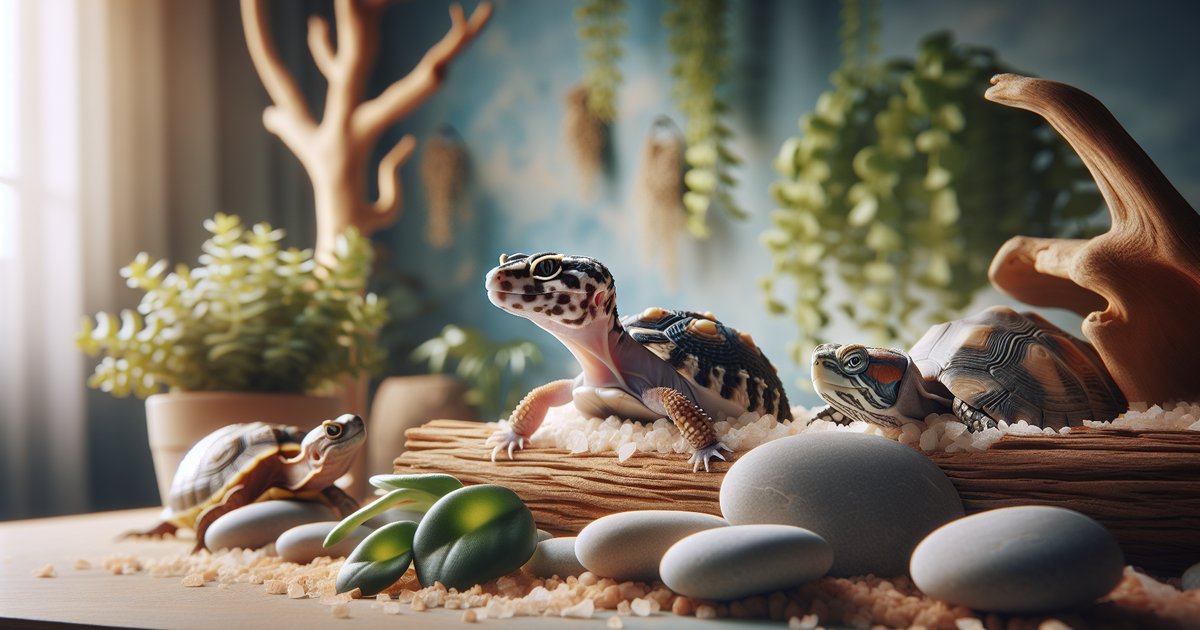
- Use appropriate substrates (floor surfaces). Rough, natural surfaces like soil, coconut coir, or pebble mixes allow nails and beaks to wear down naturally. Smooth tiles or carpet do not.
- Give your tortoise space to move. Physical activity on varied terrain is important for maintaining beak and nail length, as well as overall muscle and bone health.
- Research your specific species. Care requirements vary significantly between tortoise and turtle species. What works for a Hermann’s tortoise may not be right for a red-footed tortoise or a box turtle.
When to Consult Your Veterinarian
Because beak and nail problems can develop gradually, they’re easy to overlook until they’ve become significant. Regular wellness visits with an exotic-animal vet — a veterinarian with specific training in reptiles — are the best way to catch these issues early.
Contact your vet if you notice:
- A beak that looks longer than usual, or that’s uneven or misaligned
- Nails that are curling, extremely long, or causing your tortoise to walk awkwardly
- Difficulty picking up or chewing food
- Any change in appetite, activity level, or overall appearance
Don’t wait for a visible problem to become severe. Many of these conditions are easy to address when caught early and harder to correct when left too long.
What the Study Can’t Tell Us
This study gives a valuable overview of what’s happening in real-world tortoise veterinary care — but it has limits worth knowing about.
The data comes from the UK, so it reflects the tortoise and turtle species commonly kept there, the typical diets those owners use, and the climate those animals live in. The findings may not perfectly match what’s seen in other countries or with different species.
The study also describes which problems exist, not what caused them in each individual case. Knowing that beak abnormalities are common tells us there’s a widespread issue — but it doesn’t pinpoint exactly which husbandry mistake was behind each case. The researchers call for more owner education, but further research is needed to draw firm cause-and-effect conclusions.
The Bottom Line
The most common health problems seen by vets in tortoises and turtles — including beak abnormalities and overgrown nails — are often preventable with proper care. A study of 2,040 chelonians found that many of these disorders are tied to everyday husbandry choices: diet, enclosure surfaces, and space to move. The researchers emphasize that owner education is one of the most powerful tools available to improve tortoise and turtle welfare.
If you own one of these animals, take a close look at how it’s being kept. Talk to an exotic-animal vet about your setup, ask about species-specific dietary needs, and schedule routine wellness visits even when your pet seems healthy. Prevention is always easier than treatment — and for tortoises and turtles, the most common problems really are within your control.
This article summarizes peer-reviewed research for educational purposes. Always consult with your veterinarian for personalized advice about your pet’s health and behavior.