The Human-Turtle Bond Is Real — And Science Now Backs It Up
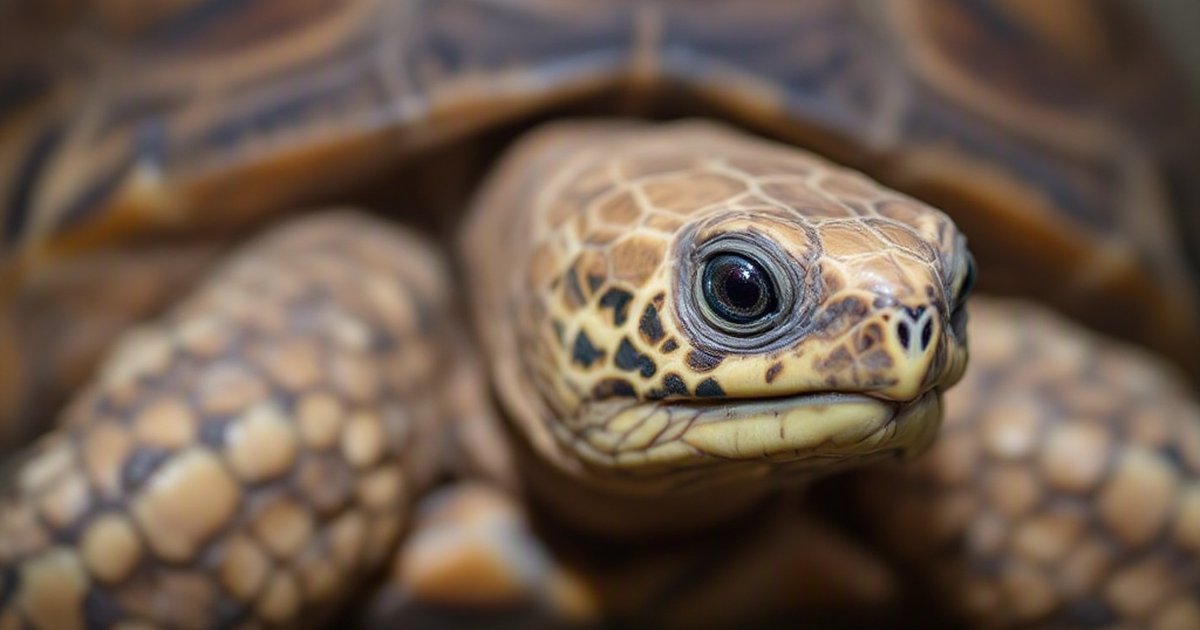
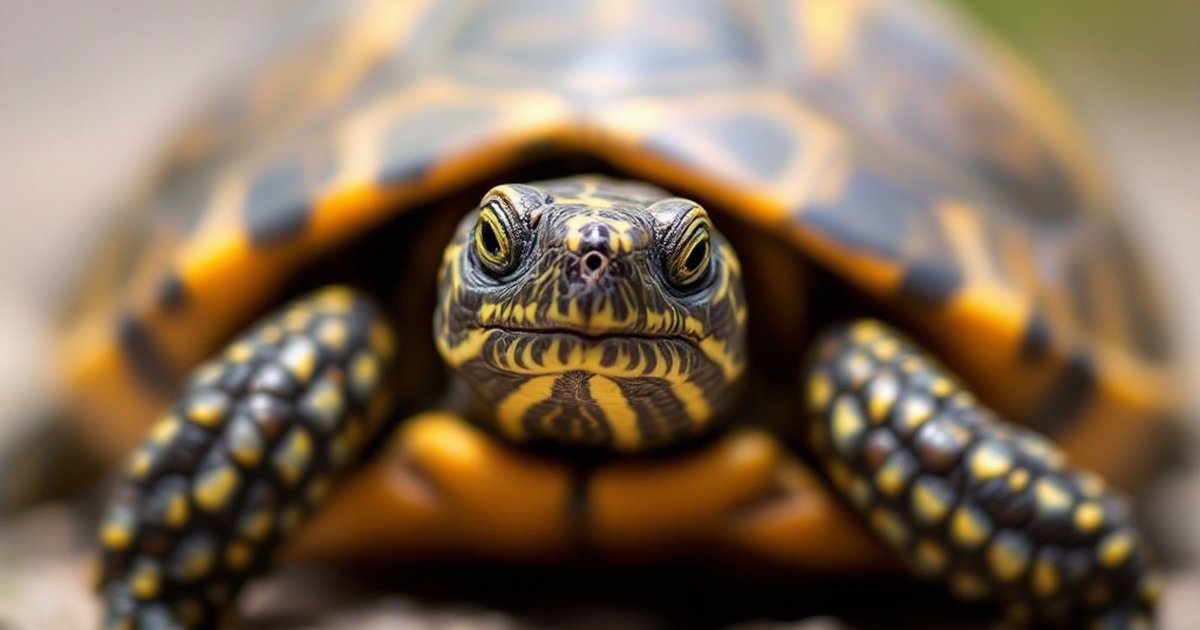
If you share your home with a turtle or tortoise, you already know the connection is real. Now a study confirms it. Researchers surveyed 91 turtle and tortoise owners and found that many described strong emotional bonds with their shelled companions. Published in Veterinary Sciences, the study is one of the first to seriously examine the human-chelonian bond — that is, the relationship between people and their turtles or tortoises (“chelonian” is simply the scientific term for animals in this group). The results challenge a common assumption: that reptiles are “cold” pets who don’t truly connect with the people who care for them.
For anyone who has watched a tortoise amble toward them at feeding time, or noticed their turtle swim to the glass when they walk into the room, this research will feel familiar. Science is finally catching up to what owners already know.
Why Reptiles Have Long Been Overlooked as Companions
For decades, reptiles have been seen as decorative or low-maintenance pets rather than true companions. Dogs and cats get almost all the attention when it comes to the human-animal bond. Research into what people feel for their turtles and tortoises has been scarce, and the idea that a reptile could be a genuine companion animal has often been dismissed.
This study was designed to challenge that gap. The researchers wanted to find out whether turtle and tortoise owners actually form meaningful emotional connections with their animals — and which factors might make those bonds stronger or weaker.
How the Researchers Explored the Bond
The team used a mixed approach that combined a written survey with observational methods. In plain terms, they both asked owners questions and gathered other information about their living situations and care practices. A total of 91 people who keep turtles or tortoises as pets took part in the study, all based in Italy.
The survey explored several things:
- How owners described their relationship with their turtle or tortoise — what words they used and how they talked about the bond
- Where the animals spent their time — indoors, outdoors, or a mix of both
- Whether owners treated their pets as family members — for example, giving them names, taking them to the vet regularly, and including them in everyday home life
- How owners read their animal’s personality and responses
This type of “mixed-methods” research is valuable because it captures both measurable data from survey scores and the richer, more personal picture that comes from how people actually describe their experiences.
What the Study Found
Many Owners Reported Deep Emotional Connections
The headline finding was clear: a meaningful share of the 91 owners described strong emotional bonds with their turtles or tortoises. These were not casual or dismissive responses. Owners expressed genuine feelings of attachment, affection, and concern for their animals’ wellbeing.
This matters because it directly contradicts the idea that reptiles are purely “display” animals. For these owners, their turtle or tortoise was a companion — not just something to watch.
Indoor Access and Family Treatment Made Bonds Stronger
Two factors were especially linked to stronger relationships:
- Indoor access: Owners whose animals spent time inside the home — rather than being kept exclusively outdoors or in an outside enclosure — reported closer connections. When you share space with a pet regularly, you have more chances to notice their individual habits, quirks, and reactions.
- Treating the pet as a family member: Owners who thought of their turtle or tortoise as part of the family also described stronger bonds. The more you invest in your animal’s care and wellbeing, the more you notice and appreciate the small moments that deepen a relationship.
Reframing Reptiles as Companion Animals
The study’s broader conclusion is that turtles and tortoises deserve to be recognized as companion animals — a category long reserved for dogs, cats, and a handful of other species. The evidence suggests that the emotional connections these owners form with their chelonians are genuine and meaningful, and this should shape how we think about their care and welfare.
What This Means for Turtle and Tortoise Owners
Your Bond Is Valid — and It Can Make You a Better Caretaker
If you feel a real connection with your turtle or tortoise, you are not alone and you are not imagining it. This study says so. And that bond has practical value too: owners who feel emotionally connected to their pets are more likely to notice subtle changes in behavior, seek veterinary help early, and provide the right environment and nutrition.
A few things can help you deepen and maintain that connection:
- Spend regular time near your pet. Even being in the same room — sitting quietly near the enclosure or watching your tortoise explore — helps your animal become comfortable with your presence. Over time, many owners notice their pets grow more relaxed and responsive around them.
- Learn your pet’s individual personality. Turtles and tortoises have their own habits, preferences, and rhythms. Noticing when your pet is most active, which foods excite them, and how they react when you approach builds familiarity and strengthens the bond.
- Consider allowing indoor time where possible. The study found that indoor access was linked to stronger bonds. Even some supervised indoor time can increase the everyday moments that a relationship grows from.
When to Consult Your Veterinarian
Turtles and tortoises are experts at hiding illness. Because closely bonded owners tend to pick up on changes sooner, that bond can genuinely affect health outcomes. Contact an exotic-animal vet if your turtle or tortoise:
- Stops eating or shows reduced interest in food for more than a few days
- Becomes unusually slow or inactive
- Develops swelling, discharge from the eyes or nose, or any changes in the shell
- Has loose, watery, or unusual droppings
- Appears to be losing weight over time
It is worth seeking out a vet who specializes in reptiles or exotic animals. Not every general veterinary practice has deep experience with chelonian care, and getting the right expertise matters.
Study Limitations to Keep in Mind
This was an exploratory study — designed to open up a conversation and gather early data, not to deliver the final word. All participants were based in Italy, so the results may reflect the attitudes, care practices, and living situations of that particular group. Owners in other countries or cultures may relate to their chelonians differently.
The study also relied on self-reporting: findings are based on what owners said about their own bonds, not on objective behavioral measurements. Future research with larger and more diverse samples could help confirm and expand on these findings. It would also be valuable to study which specific care practices most reliably strengthen the human-chelonian bond over time.
The Bottom Line
Science now supports what many turtle and tortoise owners have long felt: the bond is real. A survey of 91 owners found that strong emotional connections are common among chelonian guardians — and that they grow stronger when animals are given indoor access and treated as part of the family.
This matters beyond just validation. Recognizing turtles and tortoises as companion animals means their welfare deserves real attention and investment, just like any beloved pet. If you share your life with a chelonian, nurturing that connection is not just personally rewarding — it is one of the most meaningful things you can do for their long-term health and quality of life.
This article summarizes peer-reviewed research for educational purposes. Always consult with your veterinarian for personalized advice about your pet’s health and behavior.