What Parrot Welfare Experts Most Want You to Know
Parrot welfare depends on one thing more than anything else, according to a new expert-consensus study: you. Specifically, what you know — and don’t know — about your bird’s needs. A study published in the journal Animal Welfare gathered a panel of leading experts and asked them to agree on the most pressing welfare issues facing pet parrots today. The result is a prioritized checklist that any owner or rescue can use to check how well they’re doing and where there’s room to improve.
The top two concerns the experts agreed on? Owner knowledge and social isolation. If those two issues were addressed, experts believe, the lives of countless captive parrots would improve dramatically. Let’s break down what they found — and what it means for you and your bird.
Why Researchers Needed to Ask the Experts
Parrots are one of the most popular exotic pets in the world, but they’re also one of the most misunderstood. Unlike dogs or cats, which have been domesticated over thousands of years, parrots are essentially wild animals living in our homes. They have complex social lives, long lifespans, high intelligence, and specific needs that many owners are simply never taught.
The problem is that good information about parrot care has historically been scattered. Vets, bird behaviorists, rescue organizations, and wildlife researchers all have pieces of the puzzle — but there hasn’t always been a clear, agreed-upon picture of what the most serious welfare problems actually are. This study was designed to fix that.
How the Study Was Done
The researchers used a method called the modified Delphi approach — think of it as a structured way of gathering expert opinions and narrowing them down to what everyone agrees on. Here’s how it works in plain terms:
- A panel of experts — people who work directly with parrots in areas like veterinary medicine, animal behavior, rescue, and conservation — was asked to identify the most important welfare problems for captive parrots.
- Their answers were collected, organized, and then sent back to the group.
- The experts reviewed each other’s input and voted on which issues they considered most important.
- This process was repeated in rounds until the group reached clear agreement.
The result is not one person’s opinion — it’s a consensus built from many experts reviewing and refining each other’s thinking. That makes the findings especially trustworthy.
What the Experts Agreed On
Owner Knowledge Came Out on Top
The number one welfare concern the experts identified might surprise you: it’s not the bird — it’s the owner. Specifically, a lack of knowledge about parrots’ basic needs was ranked as the most critical issue affecting their welfare.
This doesn’t mean parrot owners are careless. It means that parrots have very specific requirements that many people simply aren’t aware of when they bring a bird home. Things like how much social interaction a parrot needs, what foods are safe, what proper housing looks like, and what “normal” parrot behavior is — these aren’t always covered in a quick pet store conversation.
When owners don’t have this knowledge, even the most well-meaning home can fall short of what a parrot needs to thrive.
Social Isolation Is a Close Second
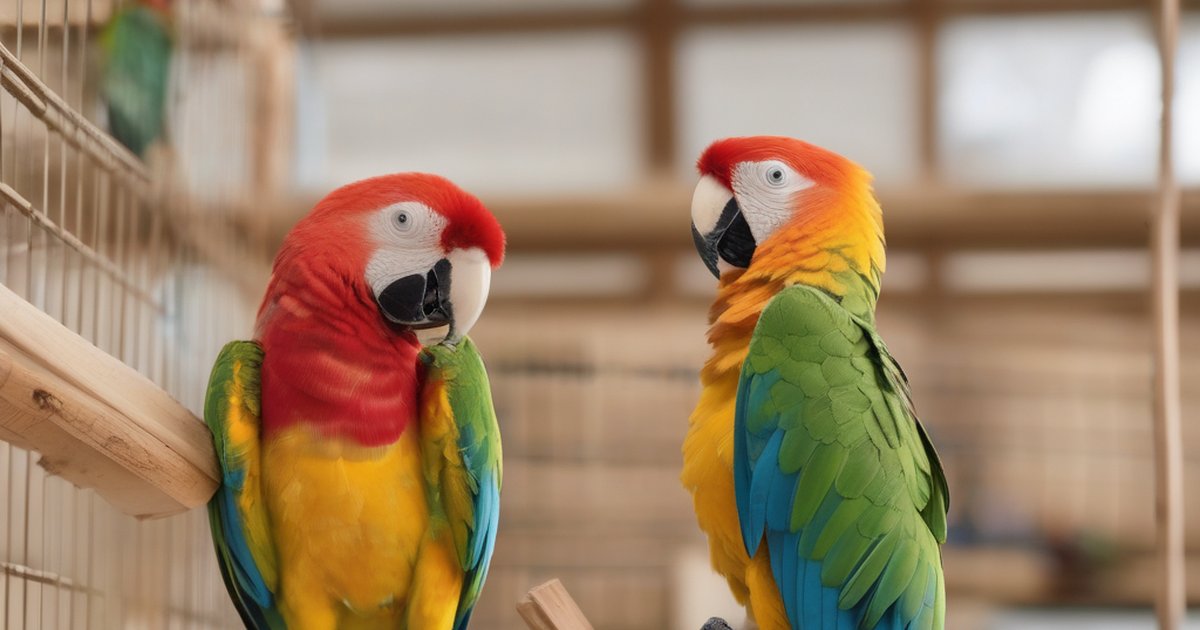
The second major concern is social isolation — parrots spending too much time alone. In the wild, most parrot species live in flocks. They are almost never truly alone. Their whole biology and psychology is built around constant companionship: grooming each other, calling back and forth, foraging together, and sleeping side by side.
A pet parrot that spends long stretches of time alone isn’t just bored — it can experience real distress. Experts identified this as one of the most widespread and serious welfare problems in captive parrots.
Housing, Nutrition, and Enrichment Also Matter
Beyond knowledge and isolation, the expert panel highlighted several other key welfare areas:
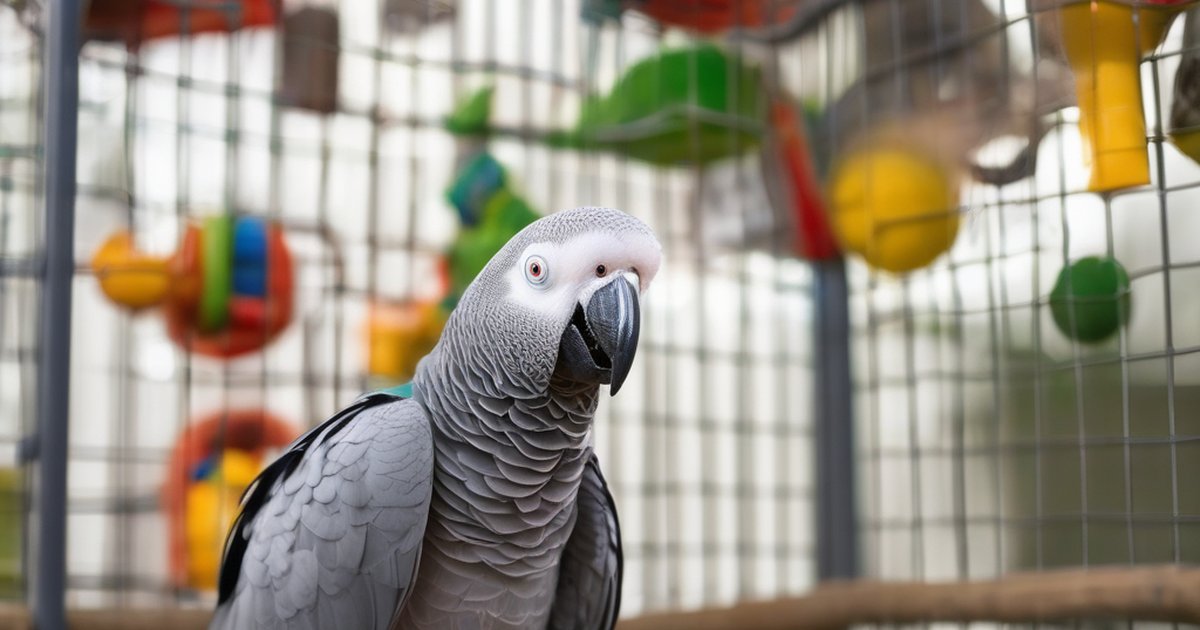
- Housing: Parrots need enough space to move freely, stretch their wings, and engage in natural behaviors. A cage that’s too small is a major source of stress.
- Nutrition: Diet is a frequent problem. Many parrots are fed seed-heavy diets, but healthy parrot nutrition also includes fresh foods and pellets. Malnutrition is common but preventable.
- Behavioral opportunities: Parrots are highly intelligent birds that need mental stimulation — things to chew, puzzles to solve, and novel items to explore. Without these, they can develop repetitive or self-harmful behaviors like feather plucking.
What This Means for You as a Parrot Owner
Use This as Your Personal Welfare Checklist
The real value of this study is the checklist it provides. You don’t need to be an expert to use it — you just need to be honest with yourself. Here are the questions to ask:
- Do I really understand my parrot’s social needs? Does my bird have enough daily interaction with me, other birds, or both?
- Is my parrot ever alone for long stretches? If so, can I add enrichment, background noise, or a companion bird to ease that isolation?
- Is my parrot’s diet varied and nutritious? Does it go beyond seeds?
- Is the housing big enough? Can my bird spread its wings, move around, and engage with toys freely?
- Does my bird have enough mental stimulation? Are there new things to explore, forage through, or chew on regularly?
If you answered “no” or “I’m not sure” to any of these, that’s a starting point — not a reason to feel bad, but a place to learn and improve.
When to Consult a Vet or Avian Specialist
If you’ve noticed concerning behaviors — like feather plucking, repetitive rocking, loud screaming for long periods, or loss of appetite — these can be signs that your bird’s welfare needs aren’t being fully met. An avian vet (a veterinarian who specializes in birds) can help assess whether there’s a health issue involved and point you toward resources on enrichment and behavior.
Rescue organizations that specialize in parrots are also excellent sources of practical advice and support.
Honest Limitations of This Research
This study is based on expert opinion, not a controlled experiment. That’s a strength in some ways — it captures the real-world experience of people who work with parrots every day. But it also means the findings reflect what experts believe to be true based on their collective experience, not outcomes that were directly tested and measured in a lab. The full panel size hasn’t been confirmed in the available summary, which is also worth keeping in mind when interpreting the results.
That said, the Delphi method is a well-respected way to build consensus, and bringing together the views of multiple experts across different fields gives these findings real weight.
The Bottom Line
Parrot welfare starts with you — and that’s genuinely good news. The experts in this study agreed that the two biggest problems for pet parrots are owner knowledge and social isolation. Both of those are things you can directly address. Learn your bird’s needs, make sure it gets enough company, provide a proper diet, give it enough space to move, and keep its mind active with enrichment.
Parrots are remarkable, long-lived companions. When their welfare needs are met, they thrive — and so does the bond between bird and owner.
This article summarizes peer-reviewed research for educational purposes. Always consult with your veterinarian for personalized advice about your pet’s health and behavior.