The Antibiotic Your Sick Guinea Pig Gets May Not Work
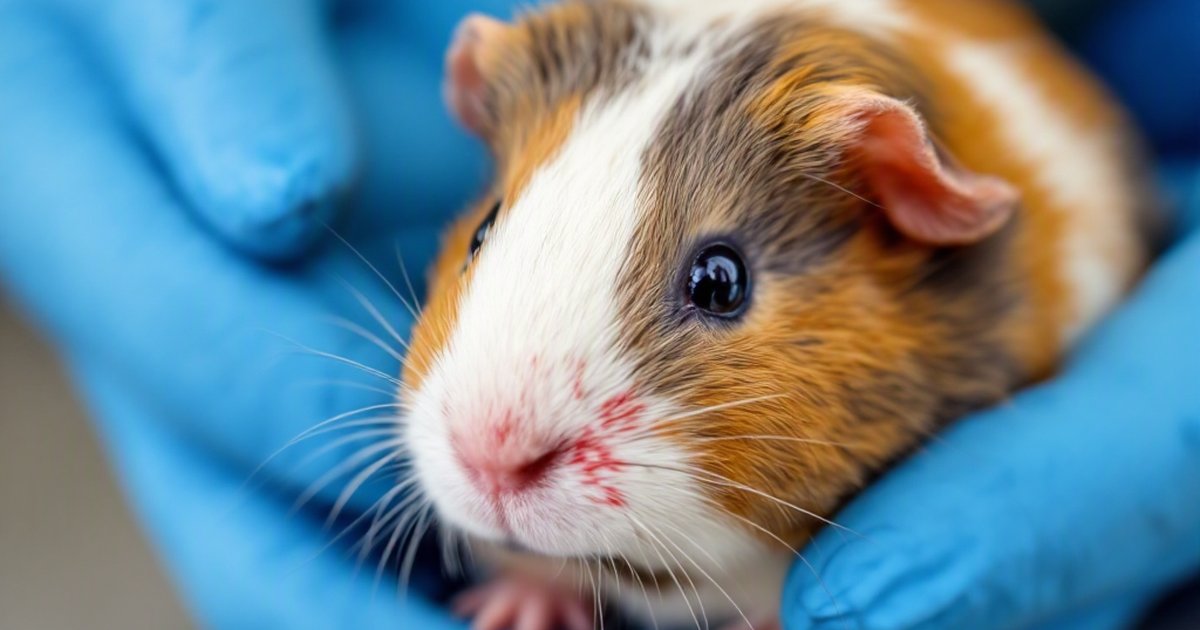
Antibiotic resistance in guinea pigs is more common than most owners realize — and a new study suggests that guessing which antibiotic to use could mean giving your pet a treatment that simply doesn’t work. Published in the journal Animals, the study looked at 234 clinical samples collected from sick guinea pigs across 22 veterinary clinics. The result? More than half of those samples grew bacteria, and many of those bacteria were resistant to at least one common antibiotic. That’s a significant finding for anyone who owns one of these popular small pets.
The good news is that there’s a simple way to give your guinea pig the best shot at a fast recovery: ask your vet about culture and sensitivity testing before starting antibiotics. It sounds technical, but the idea is straightforward — find out exactly which bacteria is causing the illness, then find out which antibiotic can actually kill it.
Why “Just Give an Antibiotic” Isn’t Always Enough
When any pet gets sick with a bacterial infection, it might seem like the obvious next step is to prescribe antibiotics. And often, that works fine. But there’s a growing problem in both human and animal medicine called antimicrobial resistance — which simply means that some bacteria have developed ways to survive the drugs that used to kill them.
Think of it like a lock and key. An antibiotic is designed to “fit” a specific bacterial target. But over time, through repeated exposure to antibiotics, some bacteria change their locks. The old key no longer works. So even if your guinea pig gets an antibiotic, if the bacteria causing the illness has become resistant to it, the medicine won’t help — and your pet could keep getting sicker.
This isn’t a new problem in dogs, cats, or people, but until recently, less was known about how common it is in small exotic pets like guinea pigs. That’s exactly what this study set out to explore.
About the Study
Researchers conducted a retrospective observational study — meaning they looked back through records that already existed from real-world veterinary clinics, rather than running a lab experiment from scratch. Here’s a quick breakdown:
- 234 clinical samples were analyzed. These were swabs and samples taken from guinea pigs that had already been brought in to the vet because they were sick.
- Samples came from 22 different veterinary clinics, which gives the findings broader real-world relevance than a single-clinic study would.
- Researchers checked each sample for bacterial growth — essentially, whether harmful bacteria were present.
- They also tested those bacteria for antimicrobial resistance — which antibiotics the bacteria could resist, and which ones could still kill them.
Because this was a retrospective study based on existing clinical records, the researchers were working with real patient data rather than a controlled experiment. That makes the findings particularly relevant to everyday veterinary practice.
What the Researchers Found
Bacteria Were Common in Sick Guinea Pigs
The first major finding: more than half of the clinical samples showed bacterial growth. In plain terms, when guinea pigs came in to the vet feeling unwell, there was better than a coin-flip chance that bacteria were part of the problem.
That’s a useful reminder for owners. If your guinea pig is acting off — less active, not eating well, breathing differently, or showing any other unusual signs — a bacterial infection could be the culprit, even if the symptoms seem mild at first.
Many Bacteria Resisted Common Antibiotics
The second finding is where things get especially important: a significant portion of those bacteria were resistant to at least one commonly used antibiotic. This means that standard, go-to treatments wouldn’t have been effective for every patient.
This is why culture and sensitivity testing matters so much. A culture test grows the bacteria in a lab so it can be identified. A sensitivity test then checks that specific bacteria against a panel of antibiotics to find out which ones can actually stop it. Together, these two steps give your vet a roadmap — instead of guessing, they know exactly what weapon to use.
What This Means for Guinea Pig Owners
Don’t Skip the Lab Work
If your guinea pig gets sick and your vet recommends a lab test before prescribing antibiotics, this study is a big part of the reason why. It can feel like an extra step when your pet is unwell and you just want them to feel better fast. But starting with the right antibiotic from the beginning is almost always faster and more effective than switching treatments mid-course because the first one didn’t work.
Culture and sensitivity testing does cost more upfront, and results typically take a few days. Your vet may still prescribe a general antibiotic to start — called a “broad-spectrum” antibiotic — while waiting for the lab results. That’s a common and reasonable approach. The key is making sure the treatment gets adjusted based on what the lab actually finds.
When to Consult Your Veterinarian
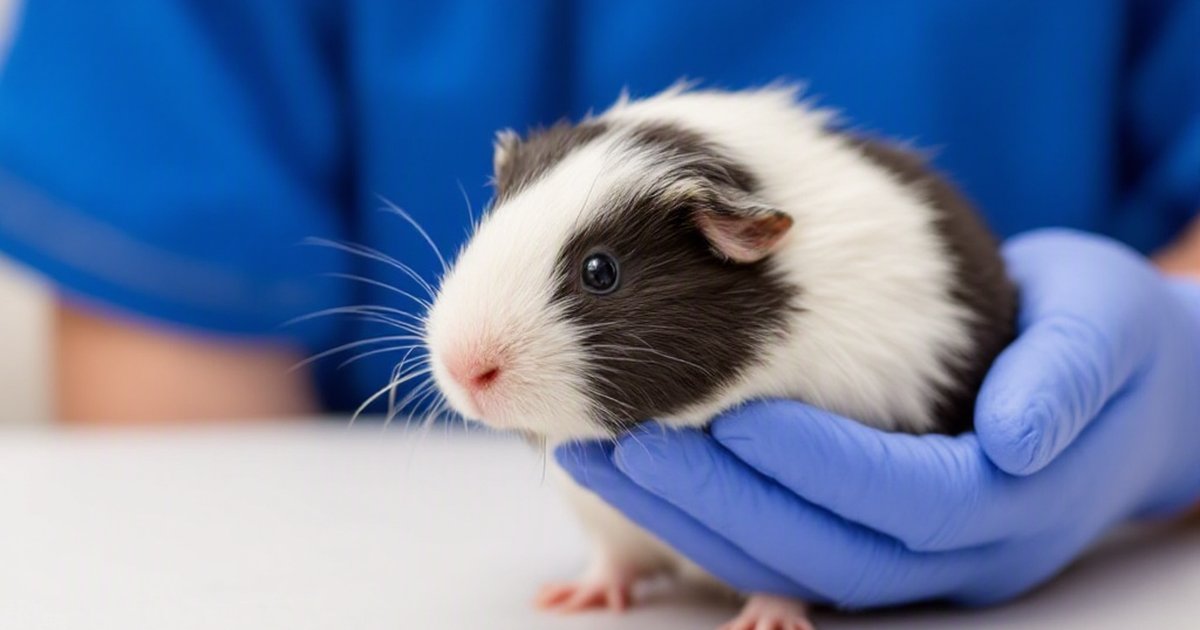
Guinea pigs can go downhill quickly when they’re sick, so don’t wait to see if they improve on their own. Reach out to a vet — ideally one with experience treating small exotic animals — if you notice any of the following:
- Loss of appetite or less interest in food or water
- Lethargy — less active than usual, or reluctant to move around
- Discharge from the eyes, nose, or ears
- Labored or noisy breathing
- Loose stools or changes in bathroom habits
- Lumps, sores, or unusual odor
When you call, you can ask directly: “Should we do a culture test to check for antibiotic resistance before starting treatment?” A vet experienced with guinea pigs will likely appreciate the question and walk you through the options.
Study Limitations to Keep in Mind
This study relied on existing clinical records from a specific set of clinics, which means the results may reflect patterns in that particular geographic area or within those specific practices. The sample may not perfectly represent every guinea pig population worldwide.
The study also doesn’t detail the full breakdown of which specific bacteria were found, or exactly how resistant each one was — those details would require a more in-depth look at the raw data. Larger, multi-region studies would help confirm how widespread these resistance patterns truly are. Still, 234 samples across 22 clinics is a meaningful dataset for a small exotic species like guinea pigs, and the core message is well-supported by the findings.
The Bottom Line
Guinea pig antibiotic resistance is a real concern, and this research makes the case clearly: when your guinea pig is sick, knowing which bacteria is causing the problem — and which antibiotic can actually fight it — makes a meaningful difference in how quickly and completely they recover. More than half of the sick guinea pigs in this study had bacterial infections, and many of those infections involved bacteria resistant to standard treatments.
The practical takeaway is simple: work with a vet who is experienced with small animals, and don’t hesitate to ask about culture and sensitivity testing when antibiotics are on the table. It’s the most reliable way to make sure your guinea pig gets a treatment that will actually work.
This article summarizes peer-reviewed research for educational purposes. Always consult with your veterinarian for personalized advice about your pet’s health and behavior.