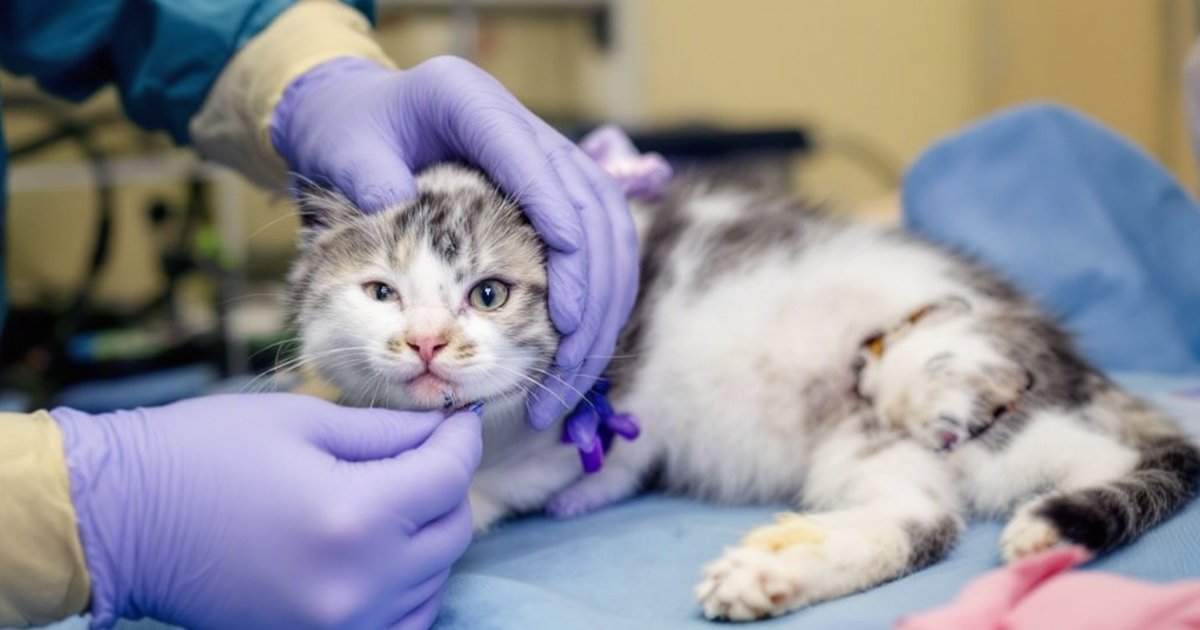
Video Tele-Advice Sessions Help Cat Owners Manage Chronic Conditions at Home
Cat telehealth — structured video sessions that provide guidance and advice from your own home — can increase cat owners’ knowledge of chronic conditions like arthritis and make at-home strategies feel more helpful, according to a new randomized controlled trial. The study found that caregivers who took part in scripted video tele-advice sessions with a researcher came away with stronger knowledge about managing their cat’s condition and rated at-home strategies as more helpful than those in the control group.
If you have ever watched your arthritic cat flinch when you try to put them in a carrier, you already know that vet visits can be hard on both of you. This research suggests that video tele-advice sessions can help close the knowledge gap between clinic visits.
Why Managing Arthritis at Home Is So Important for Cats
Arthritis in cats — sometimes called degenerative joint disease — is surprisingly common, especially in older cats. It causes the joints to become stiff and painful, making everyday activities like jumping, climbing stairs, or even using the litter box uncomfortable. Cats are also famously good at hiding pain, which means many owners do not realize how much their cat is suffering.
The tricky part is that arthritis is a long-term condition. There is no single cure. Managing it well requires ongoing attention at home: noticing changes in movement or behavior, keeping the environment comfortable (think low-sided litter boxes and cozy resting spots), and following through with any medication or diet plan your vet recommends.
That is a lot to learn — and until now, most of that learning happened during rushed in-clinic appointments. This study set out to see whether regular video check-ins could fill that gap more effectively.
How the Study Was Conducted
This was a randomized controlled trial — the gold standard in medical research. Think of it like a coin flip: 106 cat caregivers were randomly assigned to either receive six scripted video tele-advice sessions with researcher Grace Boone (treatment group, n=63) or to continue with their usual care (control group, n=43). The sessions focused on at-home management strategies for chronic mobility conditions; when participants raised medical questions during sessions, those were referred to their own veterinarians. Both groups were followed for approximately four months in the United States and Canada.
The researchers measured two primary outcomes:
- Caregiver knowledge — How well did caregivers understand their cat’s condition and how to manage it at home?
- Perceived helpfulness — Did caregivers feel the at-home strategies they learned were actually useful?
By comparing the two groups, the researchers could see whether the tele-advice sessions produced measurable benefits.
Key Findings
Caregivers Learned More and Felt At-Home Strategies Were More Helpful
Caregivers in the tele-advice group reported stronger knowledge about managing their cat’s chronic condition than those in the control group. In plain terms: they came away from the sessions understanding more about what was going on with their cat and what to do about it at home.
They also rated at-home management strategies as more helpful. This matters because knowing what to do is only part of the picture — perceiving those strategies as genuinely useful is what leads caregivers to sustain them over time.
A Note on the Study Design
These were scripted tele-advice sessions focused on at-home strategies, not medical consultations, diagnosis, or treatment. When participants raised medical questions during sessions, those were referred to their own veterinarians. The study was designed to measure whether structured guidance could increase caregiver knowledge and improve how helpful at-home care strategies feel — not to replace or assess in-person veterinary care.
What This Means for You and Your Cat
Making the Most of Telehealth and Guided Care Sessions
If your cat has arthritis or another chronic condition, here are some practical ways to use telehealth effectively:
- Ask your vet’s practice if they offer video appointments or guided education sessions. Many clinics now do, and the number has grown in recent years.
- Use video sessions for follow-ups. Once your cat has been seen in person and a care plan is in place, video check-ins are ideal for monitoring progress and reinforcing home-care strategies.
- Come prepared. Before the call, jot down any changes you have noticed — new limping, different eating habits, trouble getting to the litter box. A short video clip of your cat moving around at home can be very useful for your vet.
- Ask about home-monitoring tips. This study found that structured tele-advice sessions are especially good at helping caregivers learn practical at-home strategies. Ask your vet specifically what to watch for between visits.
When to Consult Your Veterinarian In Person
Telehealth is not a substitute for a full exam. Take your cat to the clinic in person if you notice:
- A sudden change in their ability to move or jump
- Obvious pain, crying, or flinching when touched
- Not eating or drinking for more than a day
- Any new or worrying symptoms that have not been discussed with your vet
Your vet is always the best person to evaluate your cat’s overall health and adjust their treatment plan.
Study Limitations
The study’s participants were drawn from the United States and Canada, which means the findings may not fully apply in countries with different veterinary care systems. The trial measured caregiver knowledge and perceived helpfulness — not direct health outcomes in the cats themselves — so we cannot draw conclusions about whether the cats’ conditions actually improved. The tele-advice sessions were scripted and delivered by a researcher, which may differ from telehealth programs offered through veterinary practices. As with any single study, these results are most meaningful when confirmed by further research across broader populations.
The Bottom Line
A randomized trial found that structured video tele-advice sessions helped cat caregivers better understand chronic conditions like arthritis and perceive at-home strategies as more helpful. Caregivers who received six scripted sessions with a researcher came away knowing more about their cat’s condition and rating their at-home management strategies as more helpful than those who received usual care.
If your cat has a long-term health condition, it is worth asking your veterinarian whether telehealth or guided education sessions could become part of your care routine. They will not replace the in-clinic exams your cat needs — but structured guidance can close the knowledge gap between visits, keeping you better prepared to help your cat feel as comfortable as possible.
This article summarizes peer-reviewed research for educational purposes. Always consult with your veterinarian for personalized advice about your pet’s health and behavior.