A Simple Score Could Help Protect Flat-Faced Rabbits
Rabbit head shape may soon be easier to talk about — and that could be a big deal for rabbit health. A study published in Veterinary Record introduced a simple one-to-five scoring scale designed to measure how flat or extreme a rabbit’s face is. When 24 experienced rabbit-care professionals used the same scale, they consistently gave similar scores. That kind of agreement is exactly what vets, breeders, rescues, and owners need to have clear, honest conversations about whether a rabbit’s face shape might be causing health problems.
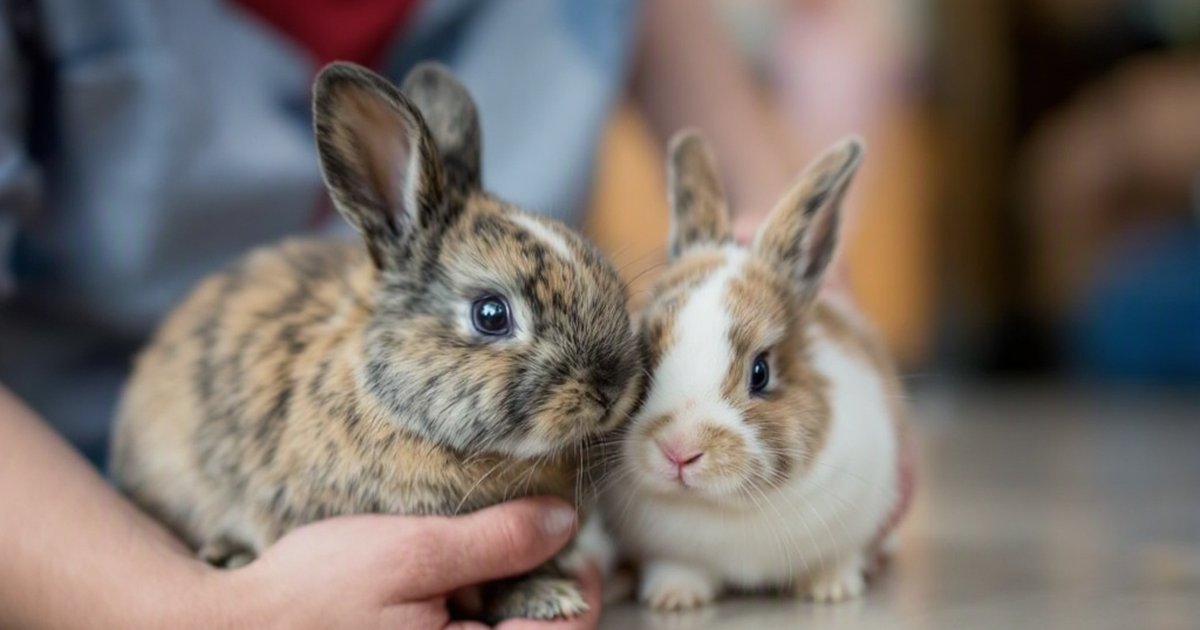
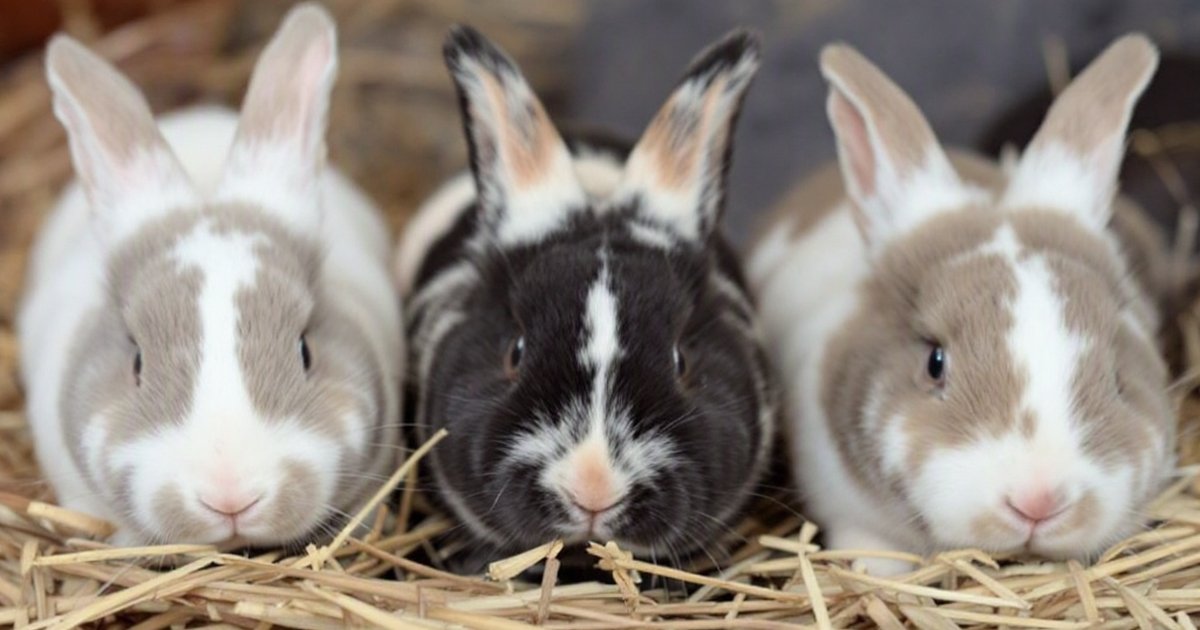
If you’ve ever seen a lop or dwarf rabbit with a very squished, flat face, you’ve seen what researchers call an extreme head shape. Just like flat-faced dogs and cats, flat-faced rabbits can face a range of health challenges — and until now, there hasn’t been a standard way to measure how extreme the problem is.
Why Rabbit Face Shape Is a Health Issue
You may already know that flat-faced dogs (like bulldogs or pugs) and flat-faced cats (like Persians) can struggle to breathe, eat, or keep their eyes healthy. The same problem exists in rabbits, but it gets far less attention.
The technical term for a very flat, compressed skull is brachycephaly (brak-ee-SEF-ah-lee) — but you can just think of it as “flat-facedness.” In rabbits, this extreme head shape can crowd the teeth (since rabbit teeth grow continuously and need space), narrow the airways, and put pressure on the eyes. Some rabbit breeds — especially certain lops and smaller dwarfs — have been selectively bred over generations to have shorter, rounder faces, which can push these features to extremes.
Until now, there was no widely accepted tool to measure how extreme a rabbit’s face shape really is. Vets, breeders, and welfare organizations were mostly going by feel — using vague terms like “moderate” or “severe” that meant different things to different people. This new scoring system aims to change that.
How the Study Worked
Researchers developed a cephalic conformation scale — a fancy phrase for a “head shape scoring system” — that runs from 1 to 5. A score of 1 represents a longer, more natural skull shape; a score of 5 represents the most extreme flat-faced shape. Think of it like a ruler for face flatness.
Here’s a simple breakdown of the study process:
- 24 participants took part in the initial validation survey. All had experience in veterinary care or rabbit welfare — think vets, vet nurses, experienced breeders, and rabbit rescue workers.
- Each participant was shown rabbit images and asked to assign a score using the new scale.
- Researchers then measured how well the scores matched across participants — a check called interobserver agreement (which just means: did different people score the same rabbits the same way?).
- The results showed strong agreement among raters, meaning the scale was being used consistently, not randomly.
The study also noted one important gap: the scale still needs more testing, particularly for long-haired rabbits, where fur can obscure the shape of the head and make scoring harder.
What the Researchers Found
Raters Agreed — Even Without Seeing Each Other’s Scores
The most important finding was that the 24 participants used the scale consistently. When professionals who hadn’t talked to each other scored the same rabbit images, they landed on similar numbers. That might sound simple, but it’s actually the foundation of any useful measurement tool. If two vets look at the same rabbit and call its head shape a 4, you can start building a shared language around that. If one says “moderate” and another says “fine,” nothing moves forward.
A Consistent Scale Opens Doors for Welfare Conversations
Right now, there’s no standard way for a rescue to tell a vet that the rabbit they’ve just taken in has a worrying head shape. There’s no agreed-upon language for a vet to document conformation concerns in a medical record. This new scale could fill that gap. With a reliable number attached to a rabbit’s head shape, vets can flag risks earlier, breeders can make more informed decisions, and owners can understand what they’re actually looking at when they choose a rabbit.
What This Means for Rabbit Owners
Knowing Your Rabbit’s Face Shape Could Matter
If you have a rabbit with a very flat, round face, it’s worth asking your vet about potential health risks related to head shape. Flat-faced rabbits may be more prone to:
- Dental problems — teeth that don’t align properly or don’t have enough room, causing overgrowth or pain
- Breathing difficulties — narrowed airways that can make normal breathing harder
- Eye issues — eyes that protrude or don’t close fully, making them more vulnerable to injury or irritation
You don’t need to do any scoring yourself. But being aware that extreme head shape is a documented welfare concern — and that a tool now exists to measure it — gives you a better starting point for conversations with your vet.
When to Talk to Your Veterinarian
Reach out to a vet who has experience with rabbits (not all small-animal vets see many rabbits, so it’s worth asking) if:
- Your rabbit seems to breathe loudly or with effort
- You notice your rabbit has trouble picking up food or seems to chew awkwardly
- Your rabbit’s eyes look prominent or seem to water frequently
- You’re thinking about getting a new rabbit and want to understand which breeds carry more risk
A vet with rabbit experience can help you understand what’s normal for your individual rabbit and what might need monitoring or treatment.
Study Limitations to Keep in Mind
This was an early-stage, pilot validation study. That means it was designed to test whether the scoring system could work — not to prove it’s ready for worldwide adoption just yet. The sample of 24 raters, while experienced, is a small group. The scale also hasn’t yet been fully tested on long-haired breeds, where reading head shape from a visual assessment is harder. Wider validation across more raters, more rabbit breeds, and more real-world settings will be needed before this becomes a standard tool that vets and breeders use routinely.
The researchers were clear about these limitations. This is a promising starting point, not a finished product.
The Bottom Line
Rabbit head shape is a real welfare concern — and up until now, there has been no standard way to measure it. This new one-to-five scoring scale is a meaningful step toward giving vets, breeders, rescues, and owners a shared, consistent language. When 24 experienced professionals used the scale and reached strong agreement, it showed the tool can work. More validation is still needed, but the potential is real: earlier conversations, clearer records, and better outcomes for flat-faced rabbits who can’t speak up for themselves.
If you share your life with a flat-faced rabbit, this research is a reminder that head shape isn’t just about looks — and that asking your vet about it is always a reasonable thing to do.
This article summarizes peer-reviewed research for educational purposes. Always consult with your veterinarian for personalized advice about your pet’s health and behavior.