Shelter Cats Get Food and Water — But Many Miss Out on Mental Well-Being
Shelter cats are often getting what they need to survive — but a new UK survey suggests many are not getting what they need to truly feel okay. Researchers found that shelter caregivers generally reported meeting cats’ basic physical needs, like food, water, and clean living spaces. But practices that support cats’ psychological welfare — their mental and emotional well-being — were much less consistent from shelter to shelter.
Think of it this way: a person stuck in a hospital room might have everything they need to stay alive, but without windows, activities, or friendly visits, the experience can still be deeply stressful. For cats in shelters, the situation is similar. The good news is that shelters can use these findings as a practical checklist to close the gap.
Why Mental Well-Being Matters for Cats in Shelters
Cats are naturally sensitive animals. They rely heavily on predictability, personal space, and control over their environment. When those things are missing, cats can become stressed, fearful, and even physically unwell. In a busy shelter, that stress is very common — and it can make cats harder to adopt, since a frightened cat is less likely to warm up to potential owners.
Until now, shelter welfare assessments have often focused on the basics: Is the cat being fed? Is the space clean? Is there fresh water? This study pushed further, asking whether shelters were also addressing the less visible — but equally important — side of cat care: mental and emotional health.
How the Study Was Conducted
Researchers sent a detailed survey to 961 cat-shelter organizations across the UK and British Isles. They received 393 usable responses from paid employees and volunteers working directly with the cats. That makes this one of the largest sector-wide looks at cat shelter care practices on record.
The survey asked caregivers about a wide range of practices, including:
- Basic care: feeding, hydration, sanitation, and veterinary access
- Psychological care: whether cats had hiding spots, elevated resting areas, enrichment activities, and calm handling during daily routines
- Housing choices: single vs. group housing, and how intake numbers were managed
By gathering responses from hundreds of shelters, researchers could spot patterns — areas where most shelters were doing well and areas where practices were falling short.
What the Survey Found
The Basics Were Generally Covered
On the physical side, caregivers mostly reported that their shelters were meeting cats’ needs. Food, water, clean spaces, and health monitoring were widely described as standard practice. This is reassuring — the foundations of physical care appear to be in place across much of the UK shelter sector.
Mental Well-Being Was a Different Story
The weaker area was psychological welfare. Practices meant to support cats’ mental health — things like providing hiding boxes (places where a cat can retreat and feel invisible), elevated perches, and calm, low-stress handling during cleaning and feeding — were reported much less consistently.
This matters because these are not extras or luxuries. For cats, the ability to hide when they feel threatened is a basic emotional need. A cat that cannot escape an overwhelming situation will stay in a state of stress, which can weaken their immune system, make them more prone to illness, and reduce their chances of being adopted.
The survey also found inconsistency in how shelters made decisions about group housing (keeping cats together rather than individually) and how many cats they would accept at one time — both of which directly affect how stressed the animals become.
What This Means for Shelter Cats — and for You
How Shelters Can Use These Findings
Researchers designed these findings to work as an operational checklist — a practical tool shelters can use to review and improve their practices. Key areas they highlighted include:
- Providing hiding spots and elevated resting places in every cat enclosure
- Using low-stress handling techniques during daily cleaning and feeding routines
- Being thoughtful about group housing — not all cats do well sharing space
- Managing intake numbers to avoid overcrowding, which raises stress levels for everyone
These are relatively simple, low-cost changes that could make a meaningful difference to thousands of cats.
If You Are Thinking About Adopting a Shelter Cat
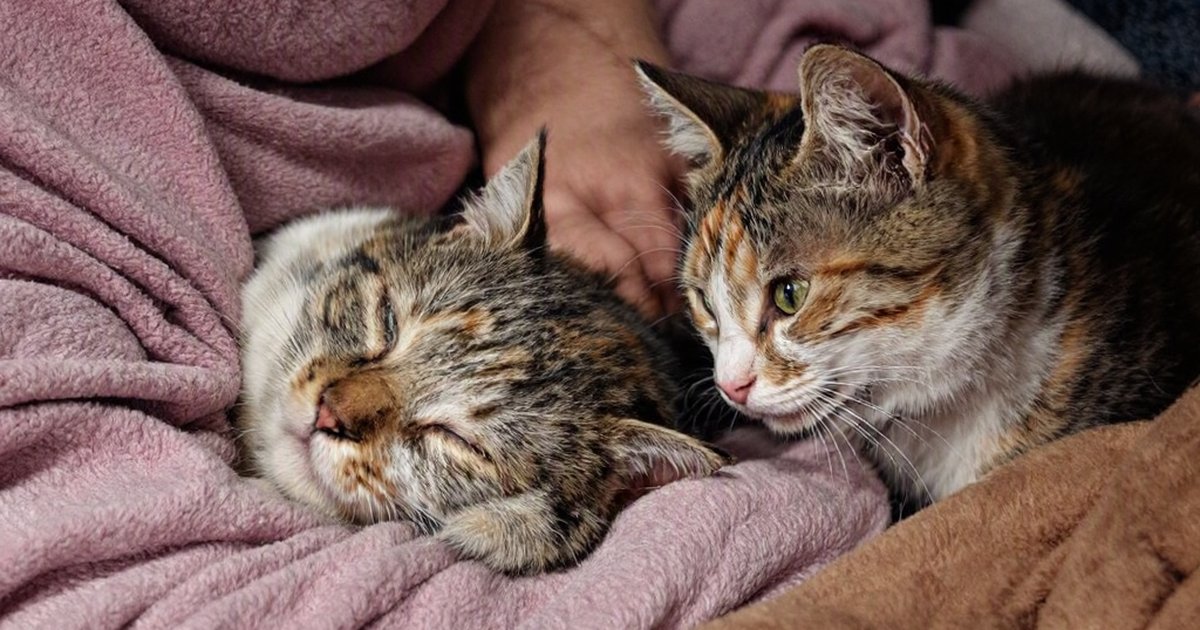
Understanding this research can actually help you become a better adopter. A cat that seems shy or withdrawn at the shelter is not necessarily an unfriendly cat — they may simply be overwhelmed by a stressful environment. Once they are home in a calm, predictable space with hiding spots and quiet routines, many shelter cats blossom into confident, affectionate companions.
When you visit a shelter, look for signs that the facility is thinking about mental well-being: Do the cats have places to hide? Are the enclosures calm? Are staff handling the animals gently? These details can tell you a lot about how well-prepared a cat may be to adjust to home life.
When to Consult Your Veterinarian
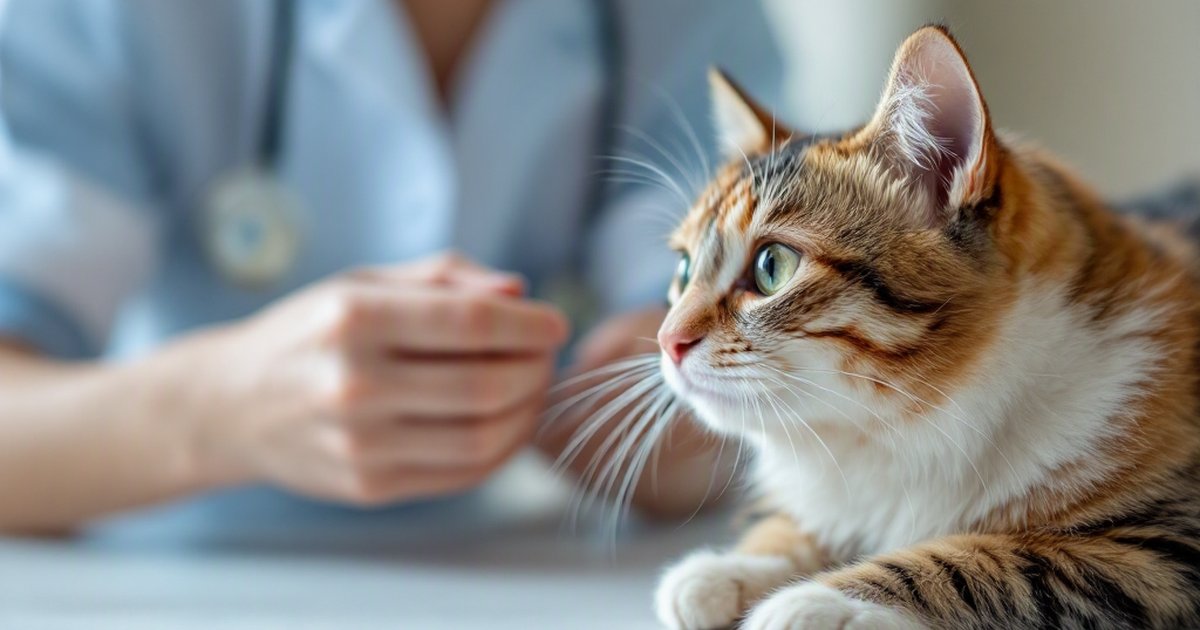
If you adopt a shelter cat that seems fearful, is hiding constantly, or shows signs of stress — like not eating, over-grooming, or acting aggressive — schedule a vet visit early on. A veterinarian can rule out any underlying health issues and may be able to recommend behavior strategies or calming tools to help your cat settle in more comfortably.
Study Limitations
This study relied on self-reported data from shelter caregivers, meaning results reflect what staff believe they are doing rather than direct observations of actual shelter conditions. Practices may vary between what is reported and what happens in day-to-day reality. In addition, only 393 of the 961 invited organizations responded, so shelters with weaker welfare practices may be underrepresented. Future research using on-site assessments could give a more complete picture.
The Bottom Line
A large survey of UK shelter caregivers found that shelter cats’ physical needs are generally being met — but their mental and emotional needs are not being addressed nearly as reliably. Simple changes like providing hiding spots, using low-stress handling, and managing housing and intake thoughtfully could significantly improve the well-being of cats in shelters.
For potential adopters, this is a good reminder to look beyond a cat’s first impression at the shelter. With patience and the right home environment, many cats who seem closed off at the shelter can become deeply bonded and happy pets.
This article summarizes peer-reviewed research for educational purposes. Always consult with your veterinarian for personalized advice about your pet’s health and behavior.