Your Dog’s Adrenal Gland Size Looks Different Depending on Which Scan You Use
Dog adrenal gland measurement looks very different depending on whether your vet uses a CT scan or an ultrasound — and that difference could change how a diagnosis is made. A new study published in BMC Veterinary Research compared both imaging methods in 30 dogs and found that CT scans consistently showed larger adrenal glands than ultrasound did. In bigger dogs, the gap between the two measurements was even wider.
This matters because adrenal gland size is one of the key clues vets use to detect certain hormonal conditions. If your dog is being monitored for a gland-related problem, knowing which scan your vet is using — and sticking with the same one — could make a real difference.
Why the Adrenal Glands Matter for Your Dog
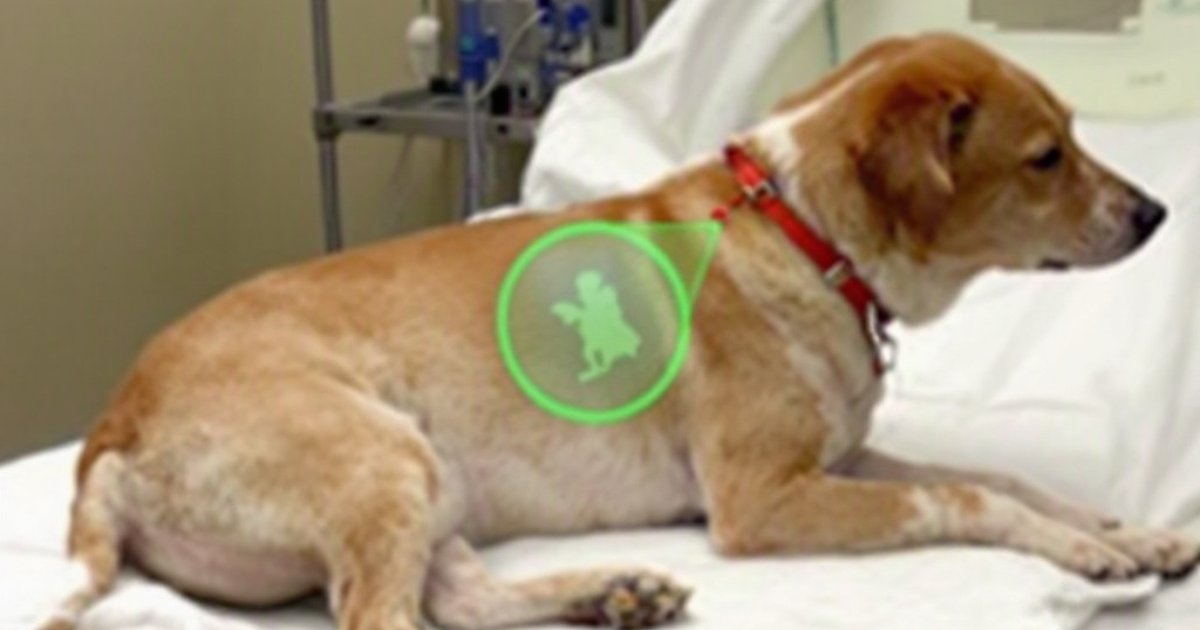
The adrenal glands are two small glands that sit near the kidneys. Think of them as your dog’s built-in stress-and-hormone control centers. They produce hormones like cortisol (the “stress hormone”) that help regulate everything from blood sugar to inflammation.
When these glands grow too large, it is often a sign of a hormonal condition called hyperadrenocorticism — better known as Cushing’s disease. This is one of the most common hormonal disorders in dogs, especially in middle-aged and older dogs. Breeds like Poodles, Dachshunds, Beagles, and Boxers are more prone to it.
To diagnose Cushing’s disease — and to track whether treatment is working — vets often measure the adrenal glands using imaging. A gland that is too big is a red flag. But what counts as “too big” depends partly on how it is being measured. And that is exactly where this study comes in.
Two Ways to See Inside Your Dog
There are two main tools vets use to look at adrenal glands:
- Ultrasound uses sound waves to create a picture. It is quick, does not require anesthesia in most cases, and is widely available. Think of it like sonar on a submarine — it bounces sound off organs to build an image.
- CT scan (computed tomography) uses X-rays taken from many angles to build a detailed, three-dimensional picture. It gives a much clearer view of size and structure, but it is more expensive and usually requires sedation.
Both tools are used in veterinary medicine, and until now it was not well understood how their measurements compared to each other for adrenal glands in dogs.
How the Study Was Done
Researchers enrolled 30 client-owned dogs and gave each dog both an ultrasound and a CT scan of their adrenal glands. By doing both tests on the same dogs, the researchers could directly compare the measurements each method produced.
- Who was included: 30 dogs brought in for clinical evaluation
- What was measured: The size (specifically the thickness) of the adrenal glands using each imaging method
- How results were compared: Measurements from ultrasound and CT were placed side by side for each dog to see how closely — or how poorly — they agreed
What the Study Found
CT Consistently Measured Glands as Larger
The study’s most important finding: CT scans gave larger adrenal gland measurements than ultrasound every time. This was not a one-off difference. It happened consistently across the 30 dogs.
This is a meaningful finding for any dog whose gland size is being watched over time. If a dog’s first scan was an ultrasound and the follow-up was a CT, it might look like the gland grew — even if nothing actually changed.
The Gap Was Bigger in Larger Dogs
The second key finding adds another layer: the disagreement between CT and ultrasound measurements was greater in larger dogs. In other words, the bigger the dog, the more the two methods disagreed.
This suggests that size matters when choosing an imaging method — and that vets should be especially careful about switching between tools when monitoring large-breed dogs for adrenal problems.
What This Means for You and Your Dog
Consistency Is the Key Takeaway
If your dog is being monitored for an adrenal condition — or is being screened for Cushing’s disease — this study has one clear message: stick with the same imaging method for every follow-up appointment.
Switching from ultrasound to CT (or the other way around) between checkups could make normal gland size look like it has changed, leading to unnecessary concern or even incorrect treatment decisions. It would be like measuring your child’s height with a tape measure one year and a different ruler the next — the tools may not give the same number, so any change you see might reflect the tool, not the child.
Questions Worth Asking Your Vet
If your dog has had adrenal gland imaging done, here are some helpful questions for your next appointment:
- “Which imaging method was used for my dog’s adrenal glands?”
- “If we need a follow-up scan, can we use the same type of scan?”
- “Are the reference ranges you’re using based on CT or ultrasound measurements?”
Vets are generally very aware of these considerations, but asking the question helps ensure everyone is on the same page — especially if you are switching clinics or seeing a specialist.
Signs Your Dog’s Adrenal Glands May Need Attention
Watch for these signs and mention them to your vet:
- Drinking more water than usual and urinating more often
- Increased appetite
- A pot-bellied appearance
- Hair loss, especially along the sides of the body
- Skin that looks thin or bruises easily
- Unusual fatigue or reduced activity
These signs do not automatically mean Cushing’s disease, but they are worth discussing with your veterinarian.
Limitations of the Study
This study is a useful first look, but it has limits. Thirty dogs is a relatively small group, and the findings may not apply to every breed, age, or health condition. The study also did not examine which method is more accurate in an absolute sense — only that the two methods produce different numbers. Future research with larger groups would help confirm these findings and may also establish separate reference ranges for each imaging method.
The Bottom Line
A study of 30 dogs found that CT scans measure adrenal glands as larger than ultrasound does — and the difference grows in bigger dogs. This matters any time a vet is tracking adrenal gland size to look for a hormonal condition like Cushing’s disease. The practical takeaway is simple: when monitoring your dog’s adrenal glands, use the same imaging method every time. Mixing and matching CT and ultrasound measurements can lead to confusing — or misleading — results.
If your dog has been diagnosed with or is being screened for an adrenal condition, talk to your vet about which imaging tool they use and how they plan to keep measurements consistent over time.
This article summarizes peer-reviewed research for educational purposes. Always consult with your veterinarian for personalized advice about your pet’s health and behavior.