One Small Ingredient Made a Big Difference for Kitten Digestion
Kitten nutrition got a little more interesting thanks to a new study — and the key ingredient is something you might not have heard of: yeast-derived nucleotides. Researchers found that adding just a tiny amount of this ingredient to kitten food improved how well kittens absorbed nutrients. It also showed positive changes in blood markers linked to growth and immune health.
That might sound complicated, but the idea is simple. Nucleotides are like the building blocks your body uses to make and repair cells. Your kitten’s body can produce some on its own, but getting extra from food — especially right after weaning — may give their young system a helpful head start.
Why Kitten Nutrition Matters Most in the First Weeks of Life
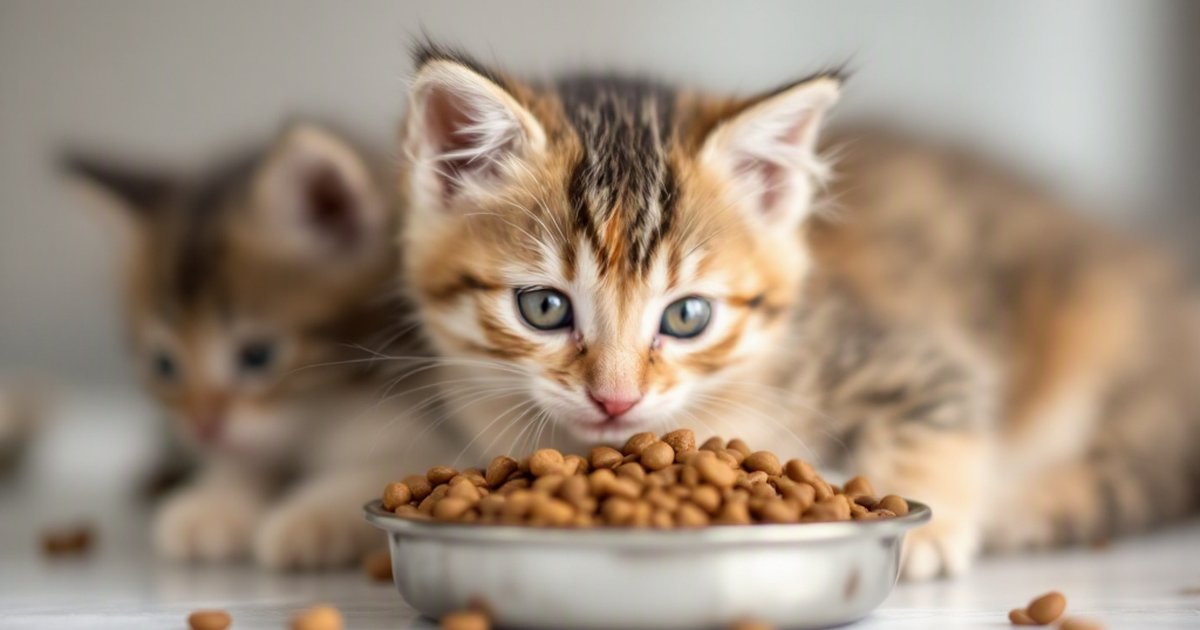
The weeks right after a kitten is weaned — when they stop nursing and start eating solid food — are one of the most important periods in their development. Their digestive system and immune system are both still maturing quickly. What they eat during this time can have a real impact on how well they grow.
Researchers have been looking at ingredients that might support this critical window. Not just proteins and fats, but smaller, more targeted nutrients. Yeast-derived nucleotides are one such ingredient. They show up naturally in breast milk and some whole foods. Scientists have studied them in human infant nutrition for years. This study was designed to see whether adding them to kitten food could offer similar benefits.
How the Study Was Set Up
This was a controlled feeding trial — one of the most reliable ways to test whether an ingredient actually does something. Here is how it worked:
- 16 weaned kittens were split into two groups of 8.
- One group ate a standard kitten diet. The other group ate the same diet, but with 0.03% yeast-derived nucleotides added — a very small amount.
- The kittens were followed for 42 days.
- Researchers measured how well each group digested their food. They also took blood samples to look at markers linked to growth and immune function.
Think of the blood markers as a kind of internal report card. They tell scientists whether the body is doing things like building muscle and defending against illness more effectively.
What the Researchers Found
Better Nutrient Absorption
Kittens eating the nucleotide-enriched diet showed improved nutrient digestibility — meaning their bodies were better at pulling useful nutrients out of the food they ate. This matters because even a healthy diet does not do much good if the body cannot absorb it well.
Better digestion in these early weeks can support stronger growth and more stable energy levels as the kitten develops.
Positive Changes in Growth and Immune Markers
The blood tests also showed changes in markers related to growth and immune health. These are substances in the bloodstream that scientists use to measure how actively the body is building new tissue and defending itself against illness.
It is worth noting that the study measured blood markers — not actual rates of illness or final body weight at a specific age. Still, seeing these markers shift in a positive direction is an encouraging sign that the ingredient was having a real effect on the kittens’ bodies.
What This Means for You and Your Kitten
This Is Promising — But Still Early Research
This study had a small group of kittens and ran for just six weeks. That makes it a solid early finding, but not yet a reason to overhaul your kitten’s diet.
The results suggest that yeast-derived nucleotides may be a useful addition to commercial kitten food. Some manufacturers already include them for this reason. If you are shopping for kitten food and see “nucleotides” on the ingredient list, that is exactly what this research is about.
Focus on the Basics First
For most kitten owners, the most important nutrition step is choosing a high-quality food labeled as complete and balanced for kittens. Look for:
- A statement that the food meets AAFCO (Association of American Feed Control Officials) standards for kittens.
- Real animal protein listed as a main ingredient.
- Food that is appropriate for your kitten’s age and life stage.
The weaning period — roughly 4 to 8 weeks of age — is especially critical. Talk to your vet about the best food for transitioning your kitten onto solid meals.
When to Consult Your Veterinarian
If your kitten seems to have trouble digesting food — signs include loose stools, vomiting, low energy, or slow growth — do not wait to bring it up with your vet. These can be signs of digestive issues, food sensitivities, or other health problems that need professional attention. Your vet can also help you find a food that matches your individual kitten’s needs.
Study Limitations
The sample was small — only 16 kittens total, split between two groups. That makes it harder to say with certainty that these results would hold across all kittens, breeds, or feeding environments. The study also did not track the kittens into adulthood to see whether the early benefits lasted. More research with larger groups and longer follow-up periods would help build a clearer picture.
The Bottom Line
A small but well-designed study found that adding 0.03% yeast-derived nucleotides to weaned kitten food improved nutrient digestion. It also showed positive changes in blood markers tied to growth and immune health over 42 days. The ingredient works by giving kittens’ rapidly developing bodies extra cellular building blocks at a time when they need them most.
This research is a promising step, not a final answer. If you are feeding your kitten a quality, age-appropriate food, you are likely already doing the most important thing. Keep an eye out for nucleotides on kitten food labels — and as always, your vet is the best resource for any specific concerns about your kitten’s growth or digestive health.
This article summarizes peer-reviewed research for educational purposes. Always consult with your veterinarian for personalized advice about your pet’s health and behavior.