Blood in a Guinea Pig’s Urine Can Mean Something Serious
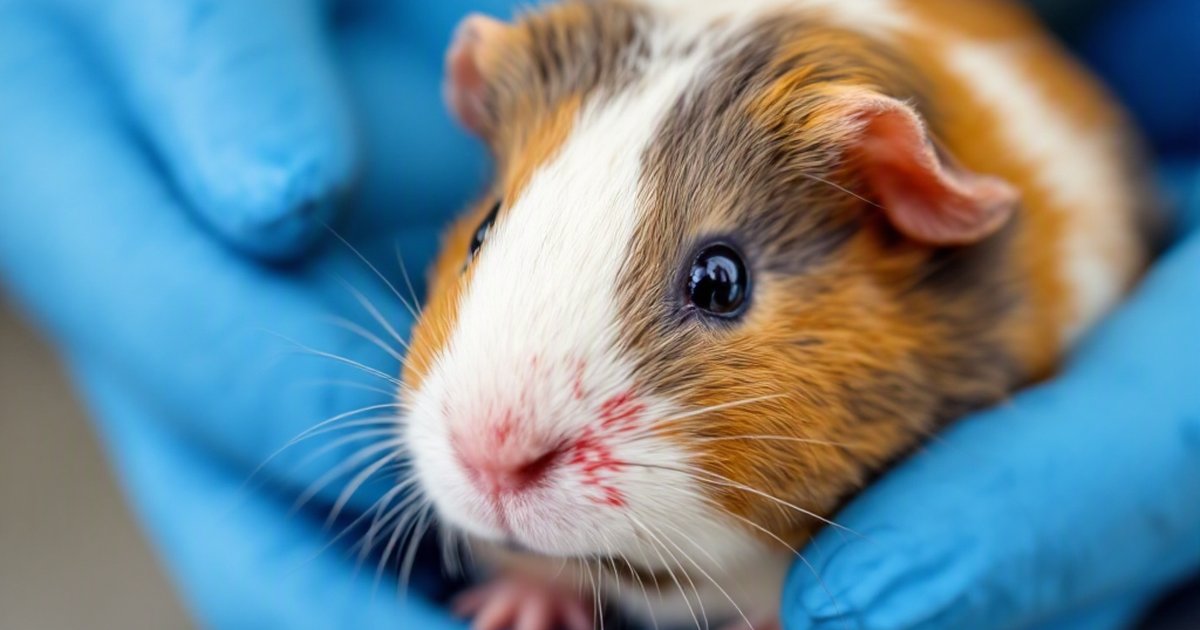
If you notice blood in your guinea pig’s urine — or a reddish discharge — it is easy to assume it is a minor issue. But a new case report published in Frontiers in Veterinary Science shows that guinea pig blood in urine can be a warning sign of a serious reproductive disease, even when basic lab tests come back normal. In this case, what looked like a simple urinary problem turned out to be a rare uterine tumor.
The good news is that getting prompt imaging — like an ultrasound or X-ray — can catch these problems early. And catching them early can make a real difference for your pet.
Why This Case Caught Researchers’ Attention
Guinea pigs are popular pets, but their health issues are not always well understood. Reproductive diseases in female guinea pigs — including ovarian cysts (fluid-filled sacs on the ovaries) and uterine problems — are actually fairly common, but they are easy to overlook. One reason is that guinea pigs often hide signs of illness until a problem becomes serious. Another is that owners may not know what symptoms to watch for.
This case drew attention because it showed how misleading the early signs can be. The guinea pig’s routine blood and urine tests did not flag anything alarming. Without imaging, the underlying disease could have been missed entirely.
About the Case
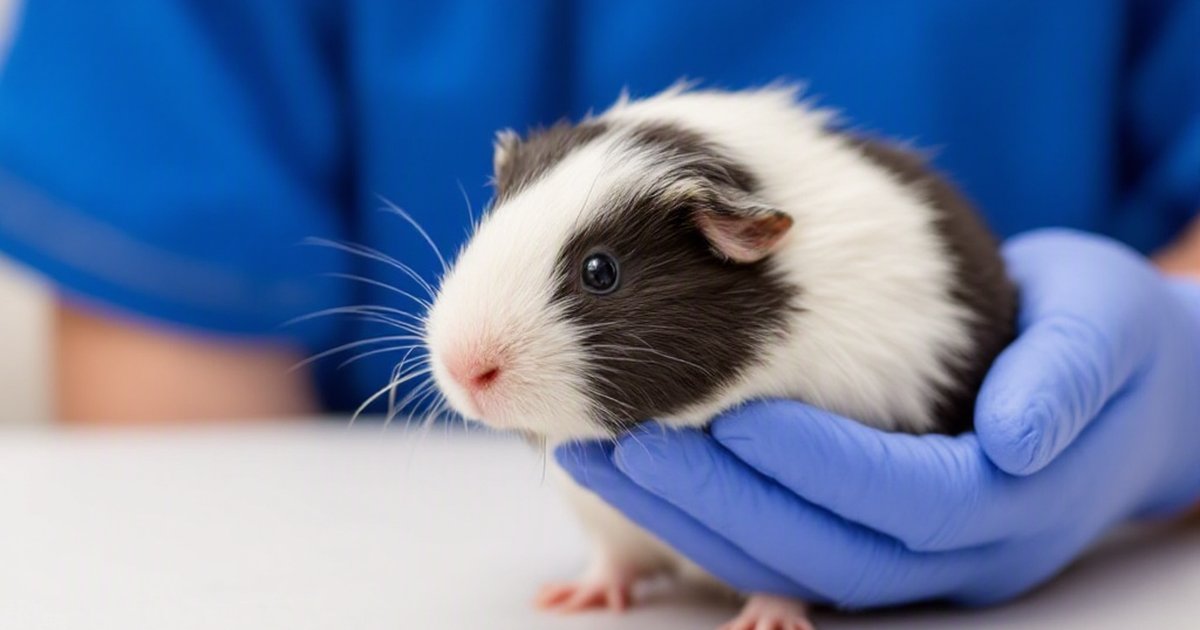
The study followed a 3.5-year-old intact female guinea pig — meaning she had not been spayed. Her owner brought her in because she appeared to have blood in her urine. Here is a quick summary of what happened:
- Initial tests: Standard lab work came back without clear red flags
- Imaging: Veterinarians performed imaging studies (similar to an ultrasound or scan) to get a closer look inside
- What they found: Multiple ovarian cysts and a mass on the uterus (the organ where young develop)
- Biopsy result: A tissue sample (histopathology) confirmed a uterine adenoma with focal choriocarcinoma — a type of cancer that starts in the cells lining the uterus, with a small area of a more aggressive cancer type mixed in
In plain terms: the bleeding that looked like a urinary issue was actually coming from the reproductive tract, and the cause was a tumor.
What the Study Found
Imaging Revealed What Lab Tests Missed
The most important takeaway from this case is that normal lab results do not rule out serious disease. The guinea pig’s routine tests looked fairly unremarkable, but imaging told a very different story. The scans revealed multiple cysts on both ovaries as well as a mass growing on the uterus. Without those images, there would have been no reason to suspect cancer.
The Tumor Was Rare but Real
Once vets removed the reproductive organs and sent the tissue to a lab, the results showed a uterine adenoma — a non-cancerous (benign) growth in the lining of the uterus — with a small area of choriocarcinoma, which is a more aggressive, malignant cancer type. This combination is rare in guinea pigs, which is part of what made this case worth reporting. It also highlights that uterine tumors in guinea pigs can be more complex than they first appear.
What This Means for Guinea Pig Owners
Do Not Ignore Blood in the Urine or Discharge
If your female guinea pig shows any of the following signs, take her to a veterinarian — ideally one with experience treating small or exotic animals — as soon as possible:
- Red or pink-tinged urine
- Bloody or unusual vaginal discharge
- Swollen or enlarged belly
- Weight loss or reduced appetite
- Lethargy or less movement than usual
These symptoms do not always mean cancer, but they should always be investigated. Reproductive diseases in guinea pigs — including ovarian cysts and uterine infections — are common and treatable when caught early.
Ask About Imaging
This case shows that imaging is key. If your vet only runs blood and urine tests and those come back normal, but your guinea pig still seems unwell or has suspicious symptoms, ask whether an ultrasound or X-ray might be helpful. Imaging lets vets see inside the body in a way that lab tests simply cannot.
Intact Females Are at Higher Risk
Female guinea pigs that have not been spayed (called intact females) are more vulnerable to ovarian cysts and uterine disease as they age. Some vets recommend discussing spaying with your exotic animal vet — especially as your guinea pig gets older — to reduce this risk. Talk to your vet about what makes sense for your individual pet.
When to See Your Veterinarian
Schedule a vet visit promptly if your intact female guinea pig:
- Passes any blood or unusual discharge
- Has a visibly bloated or asymmetric abdomen
- Shows changes in energy, appetite, or droppings
- Is over 2–3 years old and has never been examined for reproductive health
Early detection gave the guinea pig in this case a chance at a better outcome. The same can be true for your pet.
Limitations to Keep in Mind
This study is a single case report, which means it describes one individual guinea pig. It cannot tell us how common this type of tumor is in the general guinea pig population, or predict how other guinea pigs would respond to similar symptoms or treatment. Every animal is different. This report is valuable because it documents a rare finding and highlights the importance of imaging — but it is not a large-scale study with broad statistics. More research with larger groups of guinea pigs would help vets better understand how often reproductive cancers occur and how best to treat them.
The Bottom Line
A 3.5-year-old female guinea pig who appeared to have blood in her urine was found — through imaging — to have ovarian cysts and a rare uterine tumor. Her routine lab tests had not raised alarms. This case is a reminder that reproductive symptoms in intact female guinea pigs deserve prompt attention and proper imaging, even when basic tests seem normal.
If your guinea pig is a female who has not been spayed, stay alert for signs of reproductive disease and build a relationship with a vet who has experience with small animals. Catching problems early is the best thing you can do for your pet’s health.
This article summarizes peer-reviewed research for educational purposes. Always consult with your veterinarian for personalized advice about your pet’s health and behavior.