A Common Eye Treatment With a Hidden Risk
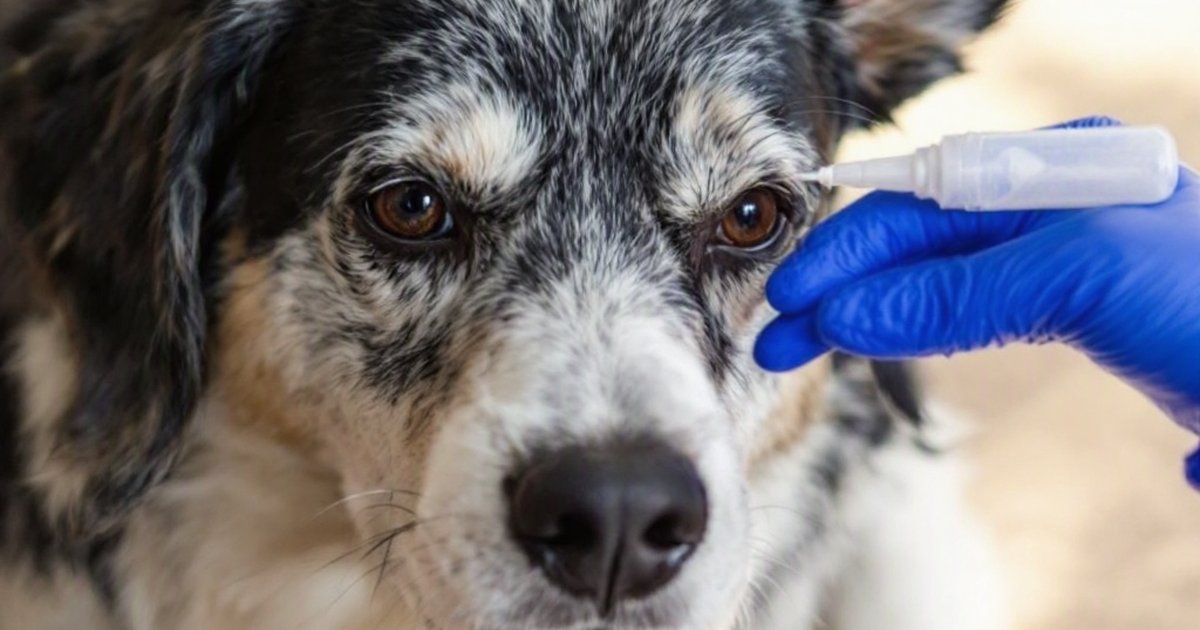
Atropine eye drops raised eye pressure in nearly 1 in 3 dog eyes tested in a new study — and that finding matters to any dog owner whose pet has been prescribed this medication. Published in Frontiers in Veterinary Science, the research tracked 27 dogs and 52 eyes before and after atropine was applied, measuring how their eye pressure changed.
Atropine drops are a staple in veterinary eye care. Vets use them to ease pain in dogs with certain eye conditions, and they also help dilate the pupil (make it wider) so the vet can examine deeper inside the eye. But like many useful drugs, atropine comes with trade-offs — and this study shines a light on one that deserves more attention.
Why Eye Pressure Matters for Dogs
To understand what this research means, it helps to know a little about eye pressure. Inside your dog’s eye, a fluid is constantly being made and drained away. When that balance is off and too much fluid builds up, the pressure inside the eye rises. This is called intraocular pressure — basically, the “blood pressure” of the eye.
High eye pressure is the hallmark of glaucoma — a painful condition where rising pressure damages the optic nerve (the cable that carries vision signals from the eye to the brain). In dogs, glaucoma can develop quickly and cause permanent vision loss if not caught early. That is why eye pressure is something vets take seriously.
Atropine works partly by blocking a muscle that normally helps drain fluid from the eye. The concern is that blocking this drainage could cause pressure to build up in some dogs.
How the Study Was Conducted
This was a prospective repeated-measures study — which means the researchers measured the same eyes at multiple points in time, rather than just looking at a single snapshot. Think of it like tracking the same thermometer reading before and after turning on the heat.
Here is what was included:
- 27 clinically healthy dogs with no pre-existing eye conditions
- 52 eyes were measured in total
- Eye pressure was recorded before atropine was given and then again after it was applied
Using a small instrument pressed gently against the eye’s surface — similar to how your own eye doctor checks pressure — researchers carefully recorded changes across all the tested eyes.
What the Researchers Found
Most Eyes Showed Little Change — but Nearly 1 in 3 Did Not
Across all 52 eyes, the average change in pressure was small. If you just looked at the group as a whole, atropine might seem fairly safe from a pressure standpoint. But averages can hide important details.
When the researchers looked more closely at individual eyes, about 29% of them — roughly 1 in 3 — showed a clinically meaningful rise in pressure after atropine was applied. A “clinically meaningful” rise means the increase was large enough that a vet would be concerned and might need to take action.
Not Every Dog Responds the Same Way
This split result is important. For many dogs, atropine may cause little to no meaningful change in eye pressure. But for a significant minority — nearly one in three — the pressure goes up enough to be a concern. That makes it difficult to predict in advance which dogs will respond which way, and it makes monitoring all the more important.
What This Means for Dog Owners
Atropine Is Still a Valuable Tool
It is important not to panic if your vet recommends atropine for your dog. This drug is used to treat painful eye conditions and is a legitimate part of veterinary care. The study is not saying atropine is dangerous for all dogs — it is saying that monitoring matters, especially for dogs at higher risk.
Dogs at Risk for Glaucoma Need Extra Attention
If your dog has a history of glaucoma, belongs to a breed known to be at higher risk (such as Basset Hounds, Cocker Spaniels, Chow Chows, or Siberian Huskies), or has any other eye condition that already affects pressure, this research is especially relevant. For these dogs, a rise in eye pressure from atropine could worsen damage that was already starting.
When to Consult Your Veterinarian
Here are situations where it is worth having a specific conversation with your vet about atropine and eye pressure:
- Your dog has been diagnosed with glaucoma or is considered “glaucoma-suspect”
- Your dog belongs to a breed with a known higher risk for eye pressure problems
- Your dog is already on medication to lower eye pressure
- Your dog seems uncomfortable or squints more than usual after receiving atropine drops
Ask your vet: “Should we check my dog’s eye pressure before and after atropine treatment?” That simple question could make a real difference for a dog in the higher-risk group.
Limitations to Keep in Mind
This study used a relatively small group of dogs — 27 animals is a useful starting point, but it is not a large enough sample to draw sweeping conclusions about every breed. All the dogs in the study were clinically healthy, so we do not yet know exactly how dogs with pre-existing eye conditions would respond. The 29% figure could look different in a larger or more varied group. More research is needed, particularly in dogs already living with glaucoma or high baseline eye pressure, to fully understand who is most at risk.
The Bottom Line
A study of 27 healthy dogs found that atropine eye drops caused a significant rise in eye pressure in about 29% of eyes tested — nearly 1 in 3. While the overall average change was small, that one-in-three finding is a clear signal that individual responses vary widely.
Atropine remains a useful treatment for painful eye conditions, but this research highlights the importance of eye pressure monitoring — particularly in dogs at risk for glaucoma. If your dog is being treated with atropine or another dilating eye drop, it is worth asking your vet whether checking eye pressure before and after treatment makes sense for your specific dog.
A quick pressure check could be the difference between catching a problem early and missing it entirely.
This article summarizes peer-reviewed research for educational purposes. Always consult with your veterinarian for personalized advice about your pet’s health and behavior.