Thermal Cameras Could Check Your Dog’s Temperature From a Distance
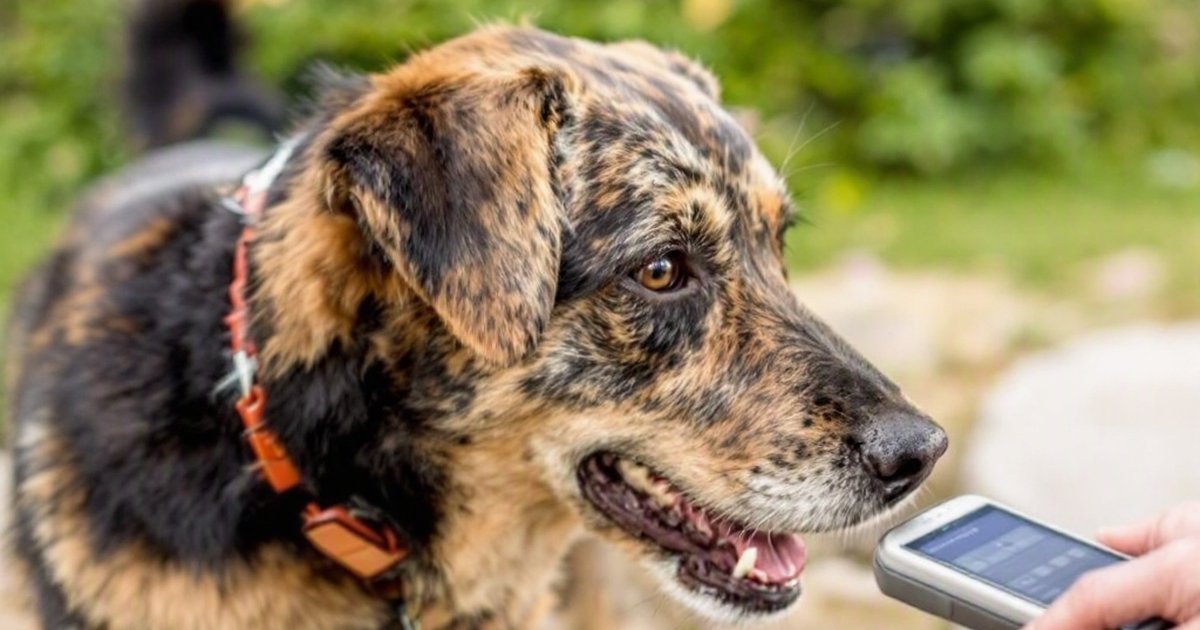
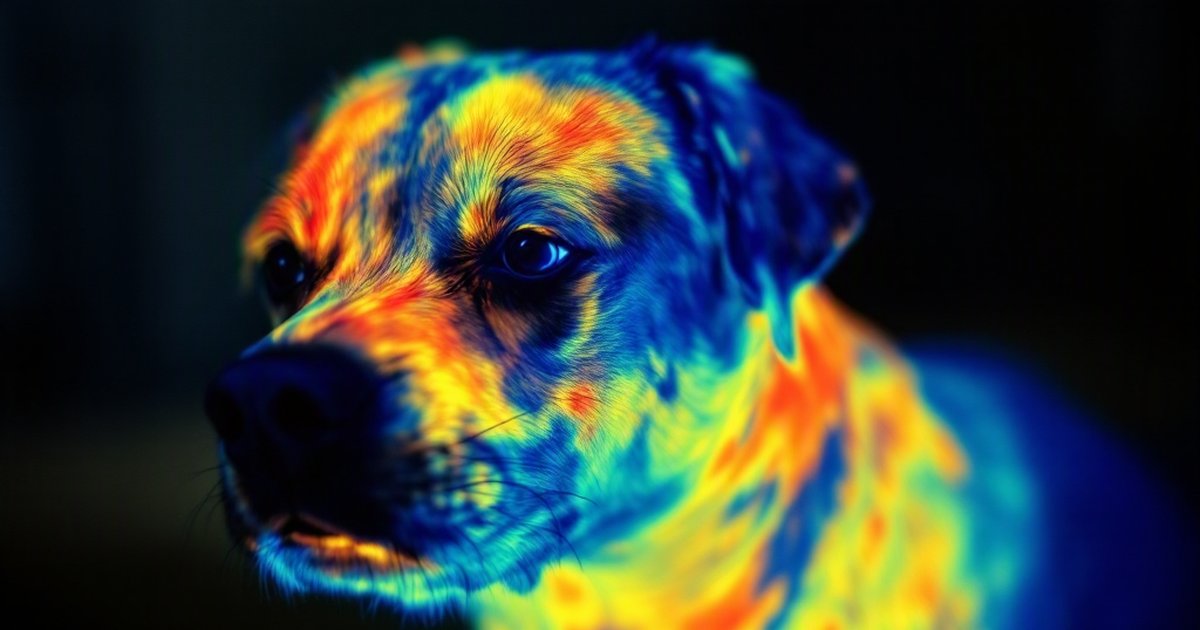
Taking a dog’s temperature usually means one thing: a rectal thermometer, a stressed-out pet, and a not-so-fun trip to the vet. But new research published in Frontiers in Veterinary Science shows that a thermal camera — a device that detects heat without touching anything — can track a dog’s body temperature just by pointing it at the eye. In a study of 57 shelter dogs, the camera’s readings rose and fell in line with traditional thermometer measurements, suggesting this hands-free approach could one day make temperature checks far less stressful for dogs and the people caring for them.
There is an important catch, though: the cameras themselves can develop a problem called “device drift,” where their readings gradually become less accurate the more you use them. Understanding this limitation is key to making the technology useful in real-world settings like animal shelters and veterinary clinics.
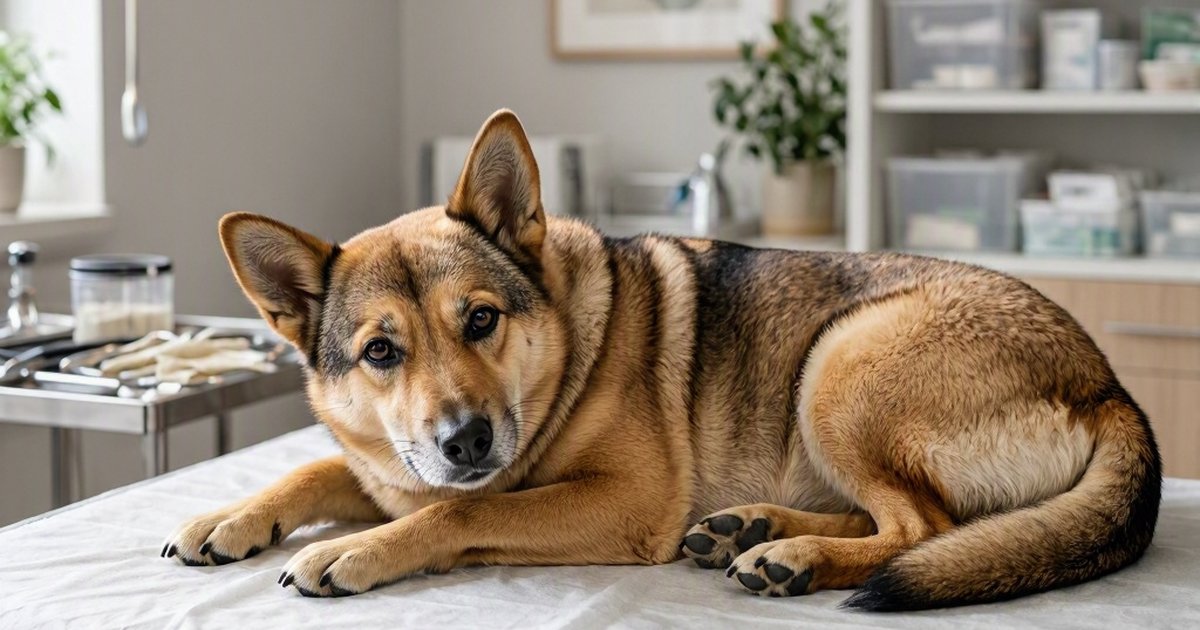
Why Taking a Dog’s Temperature Is Harder Than It Sounds
Body temperature is one of the most basic and important health signals a veterinarian can check. A fever (higher-than-normal temperature) can be an early sign of infection, illness, or stress. Catching a temperature change early can mean faster treatment and a better outcome for the dog.
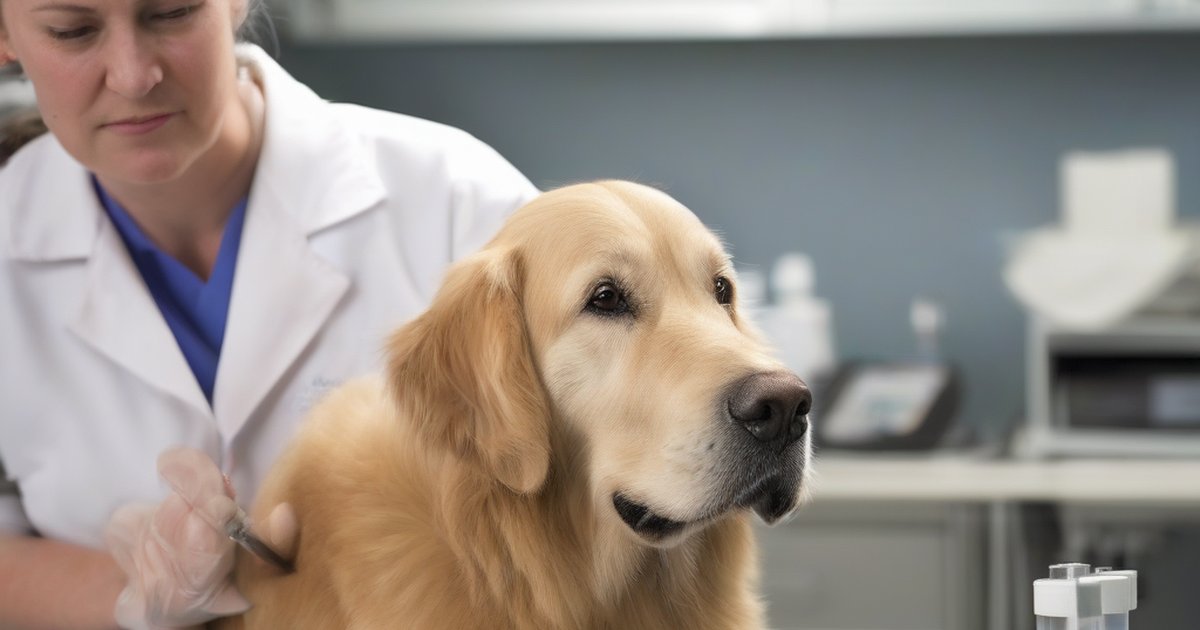
The problem is that the standard method — taking a rectal temperature — is uncomfortable and stressful for most dogs. In a busy animal shelter, where dozens of dogs may need daily health monitoring, this stress adds up quickly. Stressed dogs are also harder to examine, which can make readings less accurate anyway. Researchers have long hoped to find a reliable way to check a dog’s temperature without any physical contact — and infrared thermal cameras are one of the most promising options being explored.
How the Study Worked
The research team tested thermal cameras on 57 shelter dogs, collecting a total of 97 dog-day observations — meaning many dogs were tested on more than one day. Each session involved measuring the dog’s temperature in two ways:
- Rectal thermometer: The standard, reliable method used as the “gold standard” for comparison
- Thermal camera: Pointed at the dog’s eye area, which is a warm, exposed spot on the body that heat-sensing cameras can read without touching the animal
Think of a thermal camera like a very precise heat-sensing radar. Instead of measuring temperature by touch, it detects the invisible infrared radiation (heat waves) coming off the surface of the skin. The eye area was chosen because it’s close to major blood vessels and tends to reflect changes in core body temperature well.
The team then compared the two sets of readings to see how well they matched up. They also looked at whether the camera’s readings stayed consistent over multiple measurement sessions.
What the Researchers Found
Eye Temperature Tracked Body Temperature
The good news: when a dog’s rectal temperature went up, the infrared eye temperature went up too. The two measurements moved in the same direction, which is exactly what researchers need to see before a new tool can be trusted. This means the thermal camera was picking up on real changes in the dog’s body — it wasn’t just giving random numbers.
For everyday terms: if a dog was running a fever, the thermal camera could detect that something had changed, even without any physical contact. That’s a meaningful result, especially for situations where getting a traditional thermometer reading is difficult or stressful.
Device Drift: A Key Problem to Know About
Here is where the findings get more complicated. When the researchers used the same thermal camera for repeated measurements over multiple sessions, the readings gradually declined — not because the dogs’ temperatures were dropping, but because the camera itself was drifting. “Device drift” means that the camera’s internal baseline slowly shifts over time, making its numbers drift away from the true value.
Imagine a kitchen scale that reads correctly the first time you use it, but slowly starts reading a few grams lighter each day. The scale itself is changing, not the food you’re weighing. That’s essentially what happened with the thermal cameras in this study.
This drift didn’t come from the dogs — it came from the equipment. It means that if a shelter or clinic wants to use thermal cameras for regular temperature monitoring, they need to check and recalibrate (reset to accurate readings) their devices regularly, or be aware that over time the readings may not be as reliable.
What This Means for Dog Owners and Shelter Workers
A Step Toward Stress-Free Screenings
The biggest potential benefit of thermal cameras is reducing the stress that comes with traditional temperature checks. For shelter dogs — many of whom may already be anxious or fearful — minimizing handling during routine health checks matters a great deal. A thermal camera screening that takes a few seconds from across a room could flag dogs that need closer attention, without putting those dogs through an uncomfortable exam.
For pet owners at home, this technology isn’t something you’d buy for personal use just yet. But in veterinary clinics and shelters, it could eventually become a quick, gentle first step in assessing a dog’s health — particularly useful for dogs who are difficult to handle or highly stressed.
Don’t Expect to Replace the Thermometer Yet
The researchers are clear: thermal cameras should not replace traditional thermometers as the gold-standard temperature measurement — at least not until specific devices have been tested for stability and shown to hold their accuracy reliably over time. The device drift issue means that a camera giving a low reading might simply need recalibration rather than indicating a healthy dog.
When to Talk to Your Veterinarian
This research is still at an early stage. If your vet uses a thermal camera as part of an examination, it’s perfectly fine to ask about it — how the device is calibrated, what it’s used for, and whether it’s being used as a screening tool alongside traditional measurements. Some helpful questions to ask:
- Is my dog’s temperature being confirmed with a traditional thermometer if the camera flags anything unusual?
- How often is the thermal camera checked for accuracy?
- Are there other noninvasive temperature tools your clinic uses?
If you’re concerned about your dog’s temperature at home, the most reliable thing you can do is still to use a veterinary rectal thermometer (your vet can show you the right technique) or simply bring your dog in for a check. Signs of fever in dogs include lethargy, loss of appetite, shivering, and warm ears or nose — any of these warrant a vet visit.
Limitations to Keep in Mind
This study was conducted on shelter dogs, so the findings may not apply equally to all dogs in all settings. Factors like coat thickness, ambient room temperature, and dog behavior during measurements can all influence thermal camera readings. The study identified device drift as a problem without fully solving it — more research is needed to understand how frequently devices need recalibration and which camera models hold their accuracy best. With 57 dogs across 97 observations, this is a solid first step, but a larger and more diverse sample of breeds, ages, and health conditions will be needed to confirm these results more broadly.
The Bottom Line
A study of 57 shelter dogs found that infrared thermal cameras can detect changes in body temperature without any physical contact — the eye temperature measured by the camera went up when the rectal temperature went up. This makes the technology a promising, low-stress option for temperature screening, especially in shelter or clinic environments where handling many dogs quickly and gently is a priority.
However, device drift is a real issue. Thermal camera readings became less accurate over repeated sessions because of the equipment itself, not the dogs. Any practical use of these cameras needs to include regular accuracy checks and recalibration.
For now, thermal cameras are a research tool with clear potential — but a traditional thermometer remains the gold standard for knowing whether your dog has a fever. As this technology improves and more devices are tested for stability, stress-free temperature checks from a distance could become a routine part of veterinary care.
This article summarizes peer-reviewed research for educational purposes. Always consult with your veterinarian for personalized advice about your pet’s health and behavior.