A New Shot That Could Help Your Dog Bounce Back After Knee Surgery
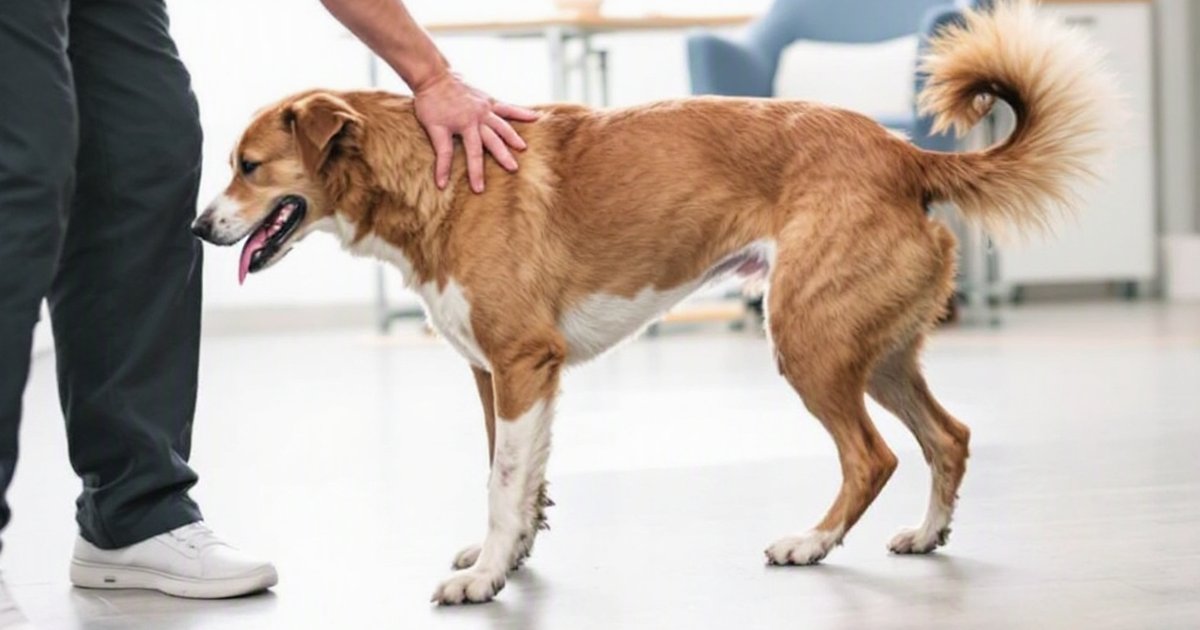
Dog TPLO recovery just got a promising new option: a single joint injection derived from stem cells may help dogs walk better and hurt less in the weeks after surgery. A small but carefully designed study published in Veterinary Research Communications tested the injection in 20 dogs recovering from TPLO surgery and found that treated dogs improved earlier in both their ability to walk normally and in how much pain they showed — compared to dogs who received a dummy injection.
If your dog has torn a cruciate ligament (the knee stabilizer that dogs injure all too often), or if you’re already planning TPLO surgery, this early research is worth knowing about.
What Is TPLO Surgery, and Why Is Recovery So Hard?
TPLO stands for tibial plateau leveling osteotomy — a mouthful, but the idea is simple. Dogs have a tough band inside their knee called the cruciate ligament. It holds the joint stable. When it tears — which happens a lot in active, larger dogs — the knee becomes unstable and very painful. TPLO is the most common surgery to fix it. The surgeon reshapes the leg bone to change how the joint works, making the knee stable again even without the ligament.
The surgery itself is well-established and usually works well. But recovery is long — often 12 to 16 weeks of rest, rehab, and gradual return to activity. During that time, many dogs deal with ongoing pain, swelling, and stiffness. Anything that could make that recovery shorter or less painful is genuinely exciting for pet owners.
What Is a Stem Cell Secretome — and Why Inject It?
Here’s where the science gets interesting. You may have heard of stem cells — special “blank” cells in the body that can turn into many different types of tissue. Researchers have been studying them for years as a potential treatment for injuries and inflammation.
This study didn’t inject stem cells directly. Instead, it used something called a secretome (pronounced “see-kree-tome”) — think of it as the healing signals that stem cells release. When stem cells do their job, they send out a cocktail of proteins and growth factors that tell nearby tissues to calm inflammation, repair damage, and regenerate. The researchers collected that “healing juice” from fat-derived stem cells and injected it directly into the dogs’ knee joints right after TPLO surgery.
The idea is that flooding the joint with these repair signals early could help the healing process start faster and more efficiently.
How the Study Was Done
This was what scientists call a prospective double-blind, randomized, placebo-controlled pilot trial — essentially the gold standard of clinical testing, done in a careful, unbiased way. Here’s what that means in plain English:
- 20 client-owned dogs were enrolled — real pets owned by real families, not lab animals
- Dogs were randomly split into two groups of 10 each
- One group received the stem cell secretome injection directly into the knee joint after TPLO surgery
- The other group received a placebo injection — the same injection procedure, but with a harmless inactive solution
- Neither the owners, the vets scoring recovery, nor the dogs (obviously!) knew who got which treatment — that’s the “double-blind” part, which helps prevent wishful thinking from affecting the results
- Dogs were then followed and assessed over time using standard veterinary scoring tools for lameness (how well they walked) and pain
The researchers also used imaging — specifically joint scans — to track how much the knee joint was changing over time, which is a sign of osteoarthritis (joint wear and inflammation that can worsen after ligament injuries).
What the Study Found
Dogs Treated With the Stem Cell Injection Improved Faster
The treated dogs showed earlier improvements in two key areas:
- Lameness scores: How evenly the dog bore weight and moved on the operated leg improved sooner in the stem cell group
- Pain scores: Dogs in the treatment group showed fewer signs of pain earlier in their recovery
Both of these are meaningful wins. Walking normally is not just about comfort — it’s also key to preventing muscle loss and speeding up the full recovery process.
Less Joint Damage Seen on Imaging
Researchers also found that the dogs who received the stem cell injection showed less progression of osteoarthritis changes on their joint imaging compared to dogs in the placebo group. In other words, the treated joints appeared to be holding up better as they healed.
This is particularly significant because osteoarthritis — gradual joint degeneration — is one of the most common long-term complications after cruciate ligament injury in dogs. Even after a successful TPLO, many dogs develop increasing joint stiffness and discomfort over time. Anything that slows that process down could mean years of better quality of life for your dog.
What This Means for Dog Owners
This Is Early but Promising News
It’s important to be clear: this was a pilot study — a small, early trial designed to test whether the concept is safe and shows enough promise to study further. With only 10 dogs in each group, the results are encouraging but not yet definitive. This injection is not currently a standard post-TPLO treatment, and it isn’t widely available at your local vet.
Ask Your Vet What Treatments Are Available
If your dog is scheduled for TPLO surgery — or is recovering from one — it’s absolutely worth having a conversation with your veterinarian or veterinary orthopedic specialist about emerging recovery options. Regenerative medicine (treatments based on stem cells and similar biological signals) is a growing area in veterinary care, and some specialty practices are already exploring these approaches.
When to Consult Your Veterinarian
Talk to your vet if:
- Your dog has been diagnosed with a torn cruciate ligament and is preparing for TPLO surgery
- Your dog is already recovering from TPLO and you’re concerned about pain or slow progress
- You’ve heard about regenerative or stem-cell-based treatments and want to know whether they’re appropriate for your dog
- Your dog has a history of joint problems or osteoarthritis that might make post-surgical recovery more challenging
Your vet can help you understand what treatments are currently available and whether a referral to a veterinary orthopedic specialist makes sense.
Study Limitations
The biggest limitation here is sample size: just 20 dogs participated. That’s enough to spot an encouraging trend, but not enough to draw firm conclusions or know for certain how well this treatment works across all dogs of different sizes, ages, and breeds. The study also doesn’t tell us how long the benefits last, what the ideal dose might be, or how costs compare to standard care. The researchers themselves noted that larger clinical trials are needed before this treatment could become a routine part of TPLO recovery. Think of this as the first promising step in a longer journey.
The Bottom Line
A well-designed pilot study found that injecting a stem cell secretome into the knee joint right after TPLO surgery helped 10 dogs recover faster — with better walking ability, less pain, and less imaging evidence of joint degeneration — compared to 10 dogs who received a placebo. It’s an exciting early finding in the field of regenerative veterinary medicine.
This isn’t a breakthrough that changes what your vet will recommend today. But it does point toward a future where dogs recovering from one of the most common orthopedic surgeries may have better options for a faster, more comfortable healing process. If your dog faces a TPLO in the future, this area of research will be worth following.
This article summarizes peer-reviewed research for educational purposes. Always consult with your veterinarian for personalized advice about your pet’s health and behavior.