FIP Doesn’t Just Attack One Part of a Cat — It Can Harm the Kidneys Too
FIP kidney damage in cats is more complex than scientists previously understood, and a new study published in BMC Veterinary Research is helping to fill in the picture. Researchers examined kidney tissue from cats that had died from feline infectious peritonitis (FIP) — one of the most serious diseases that can affect cats — and found that the disease damages kidneys in different ways depending on which form of FIP the cat had.
This matters because FIP is no longer the automatic death sentence it once was. Antiviral treatments are now available and are helping more cats survive. But surviving the initial infection doesn’t mean the organs come through unscathed. Understanding exactly how FIP harms the kidneys gives vets better tools to monitor cats during and after treatment — and may eventually help predict how well a cat will recover.
What Is FIP, and Why Do the Kidneys Matter?
FIP is caused by a mutation of a common feline coronavirus. Most cats that carry the coronavirus never develop FIP, but in some cats — especially young cats and those with weaker immune systems — the virus mutates and triggers a severe, whole-body inflammatory disease.
FIP comes in two main forms:
- Effusive FIP (sometimes called “wet” FIP): fluid builds up inside the belly or chest. Think of it like a leak — the inflammation causes fluid to seep into body cavities where it doesn’t belong.
- Non-effusive FIP (sometimes called “dry” FIP): instead of fluid, the disease causes clusters of inflamed cells to form in organs throughout the body.
The kidneys are among the organs that FIP can affect. They do the critical job of filtering waste from the blood and keeping the body’s fluid balance in check. When disease damages kidney cells, that filtering system gets thrown off — which is why kidney health is an important piece of the FIP puzzle.
How the Study Was Conducted
This was a pathology study — meaning the researchers examined actual tissue from cats rather than following living cats through treatment. Here’s how it worked:
- Researchers collected kidney tissue samples from cats that had been diagnosed with either effusive or non-effusive FIP.
- They looked for the presence and pattern of cell-death markers — proteins and signals that show up in tissue when cells are dying. Think of these markers like flags that get raised inside a cell when it’s shutting down.
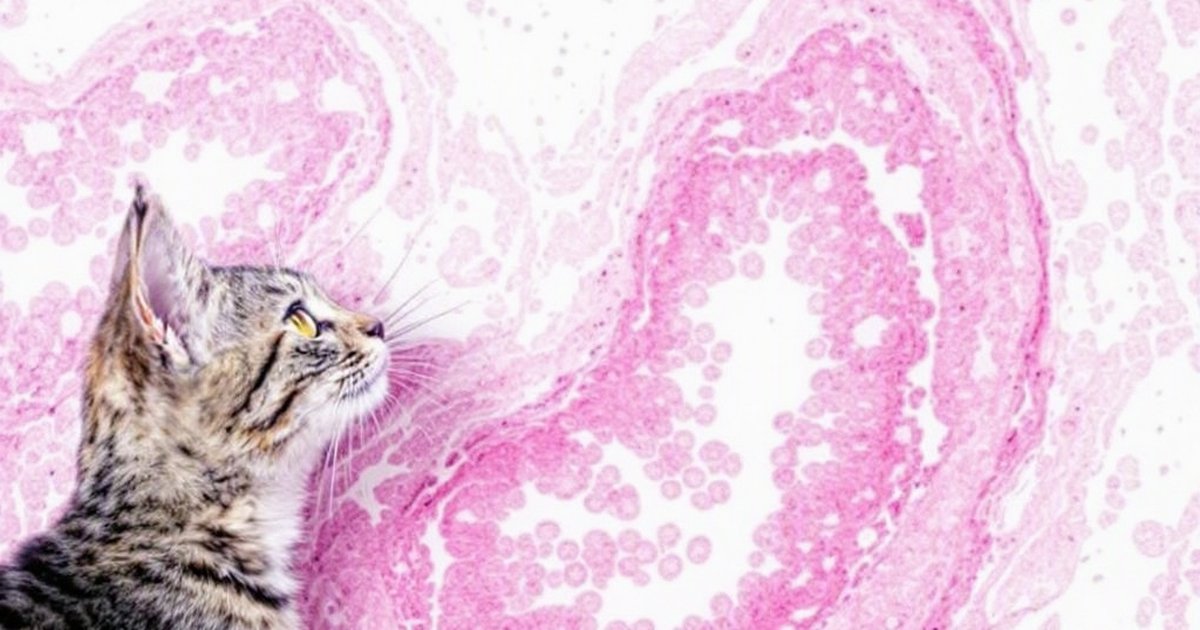
- They then compared those markers to the specific types of kidney lesions (areas of damage) visible under the microscope in each form of FIP.
By matching the cell-death patterns to the type of lesions, the researchers could start to understand the “how” behind FIP’s damage to the kidneys.
What the Study Found
The Two Forms of FIP Damage Kidneys Differently
The key finding was that the patterns of cell death in the kidneys were not the same between wet and dry FIP. Each form of the disease produced its own distinct pattern of damage.
In plain terms: if you looked at a kidney from a cat with wet FIP next to a kidney from a cat with dry FIP, the types and locations of dying cells were different. The lesions — the visible areas of injury in the kidney tissue — matched those different cell-death patterns.
This tells scientists something important: the two forms of FIP don’t just look different from the outside. They are doing different things at the cellular level inside the kidneys.
Cell Death as a Window Into Disease
The specific markers the researchers studied are tied to how cells die. Cells can die in different ways — some deaths are more like an orderly shutdown, while others are more chaotic and inflammatory. The patterns found in FIP kidneys help explain why the organ damage looks different between the two disease forms, and why some cats may experience more severe kidney complications than others.
What This Means for Cat Owners
Understanding Organ Damage During FIP Treatment
If your cat has been diagnosed with FIP, this research is a reminder that the kidneys deserve close attention throughout treatment and recovery. Even as antiviral medications work to fight the virus, the damage already done to the kidneys doesn’t automatically reverse.
Your vet may recommend regular blood tests and urinalysis (a urine test) to keep track of how the kidneys are functioning. These tests can pick up early signs that the kidneys are struggling — catching problems early gives you and your vet the best chance to manage them.
When to Bring Up Kidney Health With Your Vet
If your cat is being treated for FIP, ask your vet about kidney monitoring. Useful questions include:
- “Should we check kidney values at each follow-up visit?” — Blood tests can measure creatinine and BUN (two waste products the kidneys filter), which rise when kidney function drops.
- “Is my cat’s form of FIP more likely to cause kidney damage?” — This new research suggests the wet and dry forms affect kidneys differently, so the conversation may change based on your cat’s diagnosis.
- “What signs at home should I watch for?” — Increased thirst, increased urination, loss of appetite, and weight loss can all be early signs of kidney trouble in cats.
Even cats that respond well to FIP treatment may have some lasting changes in their kidneys. Regular monitoring helps catch any decline before it becomes a bigger problem.
Study Limitations
This study looked at kidney tissue after death, which means it can tell us what the damage looks like but cannot directly tell us how that damage affects outcomes in living cats receiving treatment. The research is an important step toward understanding FIP’s impact on the kidneys, but future studies will need to follow cats with FIP through treatment and recovery to see how these tissue-level findings translate into real-world health outcomes.
The Bottom Line
FIP damages cat kidneys in distinct ways depending on whether a cat has the wet or dry form of the disease. New research examining cell-death patterns in kidney tissue has helped clarify exactly how this happens. For cat owners, the practical takeaway is that kidney health is an important part of FIP care — not just fighting the virus, but watching what the virus has done to the organs along the way.
If your cat is being treated for FIP, keep up with all recommended follow-up appointments, stay on top of kidney monitoring tests, and talk openly with your vet about what to watch for at home. The more vets understand about FIP’s effects on organs like the kidneys, the better equipped they are to help cats recover fully.
This article summarizes peer-reviewed research for educational purposes. Always consult with your veterinarian for personalized advice about your pet’s health and behavior.