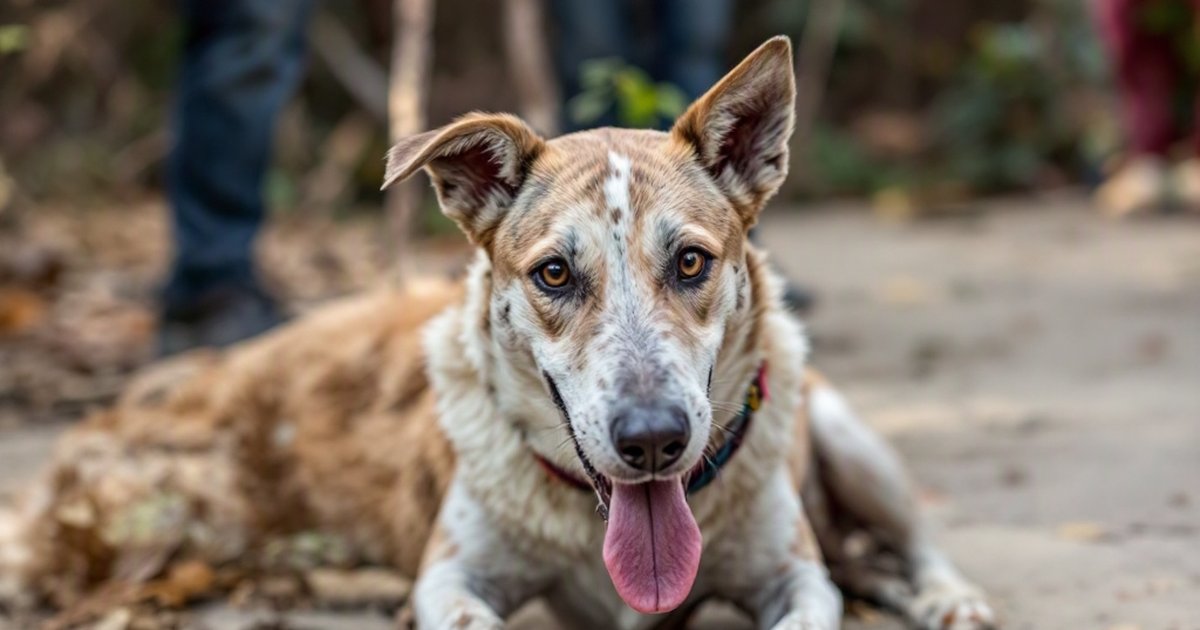
Your Dog’s Vaccine Does More Than Protect Your Dog
Canine distemper vaccination is one of the most important shots your dog will ever receive — and new research shows its benefits reach far beyond your own pet. A study published in BMC Veterinary Research examined free-roaming dogs living near Nepal’s Bardiya National Park and found signs that these dogs had been exposed to canine distemper virus. The findings are a powerful reminder that when dogs go unvaccinated, the risk doesn’t stay in your backyard. It can ripple outward to wild animals living nearby.
This research matters for dog owners everywhere, not just those living next to national parks. It shines a light on why keeping your dog’s vaccinations up to date is both a personal responsibility and, in a broader sense, an act of care for the natural world.
What Is Canine Distemper?
Canine distemper is a serious viral disease that attacks a dog’s immune system, respiratory tract (nose, throat, and lungs), digestive system, and nervous system. Think of it as one of the most dangerous childhood diseases in the dog world — highly contagious, often devastating, and sometimes fatal.
The virus spreads through the air and through direct contact with infected animals. Dogs, foxes, wolves, raccoons, ferrets, and many other mammals can all catch it. Once a dog is infected, symptoms can range from runny eyes and a cough to seizures and paralysis.
The good news is that distemper is preventable. A routine vaccine — the one most vets call the “distemper” or “DHPP” shot — provides strong, lasting protection. It is usually given as part of a puppy series and then boostered throughout a dog’s life.
The Study: Looking at Dogs on the Edge of the Wild
Researchers focused their attention on a specific stretch of land in southern Nepal: the buffer zone around Bardiya National Park. A buffer zone is the area that sits between a national park and the communities nearby — a place where human life and wildlife regularly come into contact.
Free-roaming dogs — dogs that live in communities but spend time outdoors without close supervision — are common in this part of Nepal, as they are in many parts of the world. Because these dogs move through the same landscape as wild animals, they act as a kind of bridge between the two worlds.
The research team collected blood samples from free-roaming dogs in this zone and tested them for canine distemper antibodies. An antibody is a small protein your body (or a dog’s body) makes in response to an infection — finding antibodies is like finding fingerprints left behind by a past encounter with the virus. It doesn’t necessarily mean a dog is currently sick; it means the dog has been exposed.
What the Researchers Found
The study’s results confirmed that free-roaming dogs in this area had been exposed to canine distemper. This tells us the virus was circulating among these dogs — and given their location at the edge of a national park, that exposure creates a real risk for the wild animals living just beyond the fence line.
The study is what researchers call a cross-sectional seroprevalence study. “Cross-sectional” means it looked at one point in time, like taking a photograph of the situation rather than a video. “Seroprevalence” simply means measuring how many animals in a group show evidence of past exposure in their blood (“sero” refers to blood serum, the liquid part of blood where antibodies are found).
The researchers concluded that dog vaccination in this region matters for two reasons:
- Pet health: Dogs that haven’t been vaccinated are vulnerable to a painful and often fatal disease.
- Wildlife conservation: Distemper can “spill over” from domestic dogs into wild animals — a process called viral spillover — threatening species that may already be endangered or at risk.
Why This Should Matter to Every Dog Owner
The Spillover Effect
You may never live near a national park, but the concept here applies more broadly. Whenever unvaccinated dogs mix with wildlife — at the edge of a forest, in a rural yard, or anywhere wild animals pass through — there is a chance for disease to jump between species.
Wild animals like wolves, African wild dogs, and big cats have suffered severe population losses from distemper outbreaks that likely originated in domestic dog populations. A single unvaccinated dog isn’t just at risk itself; it can unknowingly become a source of infection for dozens of wild animals.
What This Means for Shelter and Community Programs
This research has direct relevance for animal shelters, rescue organizations, and community dog programs. Vaccinating dogs in high-contact areas — especially near wildlife corridors or natural reserves — isn’t just good medicine. It’s conservation work. Vaccination drives in these communities can protect both the dogs that live there and the wild neighbors they share the land with.
When to Consult Your Veterinarian
Ask your vet about canine distemper if:
- Your dog’s vaccinations are overdue or you’re unsure of their vaccination history
- You’ve recently adopted a dog and don’t have records of past vaccines
- You live in a rural or semi-rural area where your dog may encounter wildlife
- Your dog spends time at dog parks, boarding facilities, or other places with many dogs
Your vet can confirm whether your dog is up to date on the distemper vaccine and advise on the right booster schedule for your pet’s age and lifestyle.
Study Limitations Worth Knowing
Because this is a cross-sectional study, it captures a single snapshot in time. We can see that distemper exposure was present in these dogs, but we can’t track how the disease moved, when infection happened, or what percentage of the dogs got sick versus simply mounted an immune response and recovered. The study was also conducted in one specific location — the Bardiya National Park buffer zone in Nepal — so the exact numbers and rates may not apply directly to dogs in other countries or environments.
Future research that follows dogs over time, and that spans multiple regions, would give us a clearer picture of how distemper spreads at the wildlife-community interface and how best to reduce that risk.
Bottom Line
Research on free-roaming dogs near Nepal’s Bardiya National Park found evidence of canine distemper exposure, confirming that this serious viral disease circulates among dogs living close to wildlife. The takeaway is clear: vaccinating dogs — whether they are family pets, shelter animals, or community dogs — does more than protect individual animals. It helps prevent the virus from spreading to wild animals that may be far less equipped to survive it. Keeping your dog’s distemper vaccination current is one of the simplest, most effective things you can do for your pet’s health and for the broader community of animals that shares our world.
This article summarizes peer-reviewed research for educational purposes. Always consult with your veterinarian for personalized advice about your pet’s health and behavior.