A Non-Surgical Path Back to Running, Jumping, and Playing
Dog cruciate ligament tears are one of the most heartbreaking and costly injuries a dog can face — and one of the most common. When your vet delivers that diagnosis, surgery is almost always the next topic on the table. But surgery is not right for every dog. It carries risks, requires anesthesia, and is expensive. A new pilot study suggests there may be a non-surgical option worth talking to your vet about: a technique that uses gentle electrical signals to help dogs recover from cruciate ligament damage.
The study, published in BMC Veterinary Research, followed 16 dogs treated with a device that delivers a tiny, targeted electrical signal to the nervous system — a technique called neuromodulation (which simply means using electrical signals to influence how nerves and tissues function). All of the smaller dogs in the study achieved full functional recovery, and most of the larger dogs showed meaningful improvement. Gains held up at a 12-month follow-up. The researchers are clear that this is early, preliminary work — but for dog owners facing limited options, the findings are worth understanding.
The Most Common Serious Joint Injury in Dogs
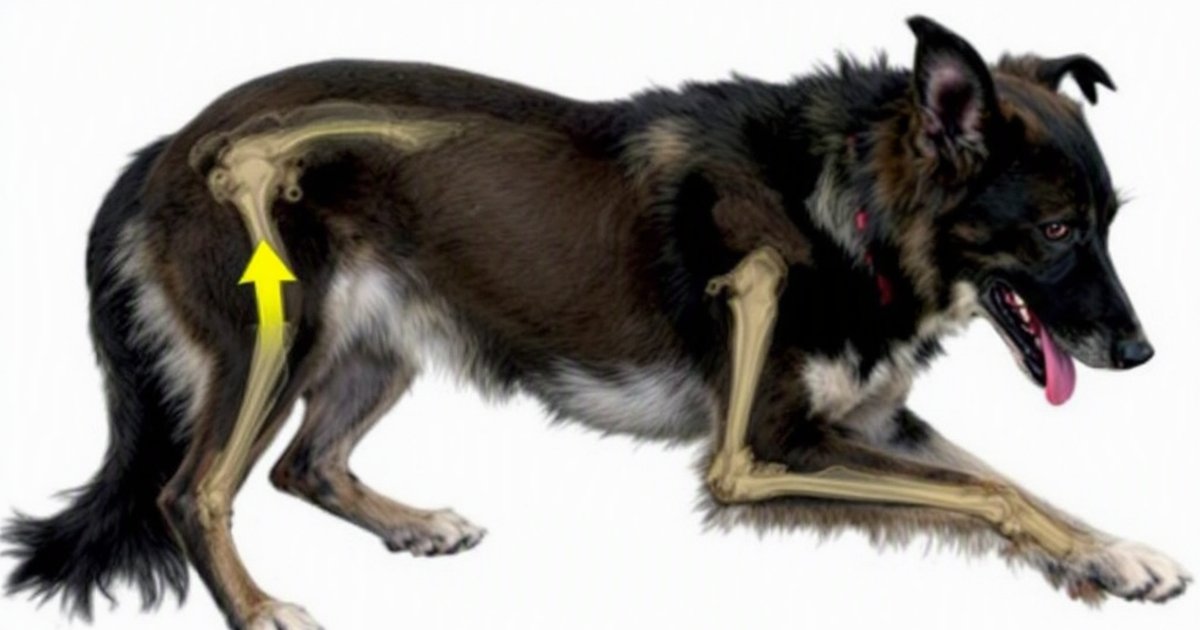
The cruciate ligament is the main stabilizing band inside a dog’s knee joint. In humans, it’s called the ACL. In dogs, it’s called the cranial cruciate ligament, or CCL. When it tears — partially or completely — the knee becomes unstable. The dog limps, avoids putting weight on the leg, and is in real pain.
CCL rupture is the leading cause of hind-leg lameness in dogs. It happens across all breeds and ages, though larger dogs and certain breeds are more prone to it. The usual answer is surgery: several different procedures exist to stabilize the knee, and they generally work well. But not every dog is a good candidate. Older dogs, dogs with other health conditions, and dogs whose owners cannot afford surgery often end up without a clear path forward.
This study asks: could there be another option?
How the Study Worked
Researchers enrolled 16 client-owned dogs who had been diagnosed with cruciate ligament rupture — some in one knee, some in both. Instead of surgery, all of the dogs received treatment with a device called REAC (Radio Electric Asymmetric Conveyor). Here is how to picture what this device does: imagine a gentle electrical signal delivered to a specific point on the body — too faint to feel as a shock — that prompts the nervous system to support the healing and stabilizing process. The dogs were not cut open. There was no anesthesia required for the treatment itself.
Researchers then tracked each dog’s ability to use their leg and walk normally over a follow-up period of up to 12 months.
Here are the key study details:
- 16 dogs with confirmed cruciate ligament rupture (mono- or bilateral)
- All treated with REAC bioelectrical neuromodulation — no surgery
- Functional recovery was the main measure: could the dog walk and bear weight normally?
- Follow-up continued for up to 12 months
What the Researchers Found
All Smaller Dogs Made a Full Recovery
Every smaller dog in the study achieved complete functional recovery. That means they returned to normal movement — walking, bearing weight, and using the injured leg — without surgery. That is the headline finding, and it is a genuinely encouraging result, even accounting for the study’s limitations.
Most Larger Dogs Improved
Larger dogs had a harder time, which is not surprising: more body weight puts more stress on a healing knee. Even so, most of the larger dogs in the study showed real improvement with the treatment. Not all reached complete functional recovery, but the majority benefited.
Gains Lasted a Full Year
For the dogs that responded well, the improvements were not temporary. Researchers confirmed that functional gains were still present at the 12-month follow-up point. Healing that sticks around is what actually matters for quality of life.
What This Means for Dog Owners
A Conversation Starter — Not a Replacement for Your Vet
This study does not mean you should skip the vet or skip the surgery conversation. What it does mean is that if your dog is not a surgical candidate — or if surgery is not accessible or affordable — there may be a conservative treatment approach worth discussing. Non-surgical options for CCL injuries have historically had limited evidence behind them. This study adds a small but positive data point.
Small Dogs May Benefit More
The results were strongest in smaller dogs. If you have a small-breed dog with a cruciate injury, the findings are particularly relevant to your situation. Ask your vet whether non-surgical management — including physical rehabilitation — has been considered for your pet.
When to Consult Your Veterinarian
Talk to your vet if:
- Your dog has been diagnosed with a cruciate ligament tear or is showing sudden hind-leg limping
- You want to understand all of your options, including non-surgical management and rehabilitation
- Your dog is not a good surgical candidate due to age, weight, or other health conditions
- You are looking for ways to support recovery and long-term joint health regardless of which path you choose
Important Limitations to Know
This is a small pilot study — only 16 dogs — and there was no control group. That means there were no dogs treated differently (or not treated) for comparison. Without a control group, it is hard to know with certainty how much of the improvement came from the REAC device itself versus natural healing, rest, or other factors. The researchers themselves describe the findings as “hypothesis-generating” — scientific language meaning: this is promising enough to justify more rigorous research, but we are not ready to call it proven. Larger, controlled trials will be needed before this technique can be recommended widely. The study was also limited to dogs who were eligible for this approach, so results may not apply to all dogs with CCL injuries.
Bottom Line
A small pilot study of 16 dogs found that a non-surgical electrical nerve signal technique (neuromodulation) helped dogs recover from cruciate ligament tears — with all smaller dogs achieving full functional recovery and most larger dogs improving. Gains held at 12 months. This is early evidence, and the authors call it preliminary. But for dog owners navigating the difficult question of what to do when surgery is not an option, it is a genuinely encouraging finding worth discussing with your veterinarian.
This article summarizes peer-reviewed research for educational purposes. Always consult with your veterinarian for personalized advice about your pet’s health and behavior.