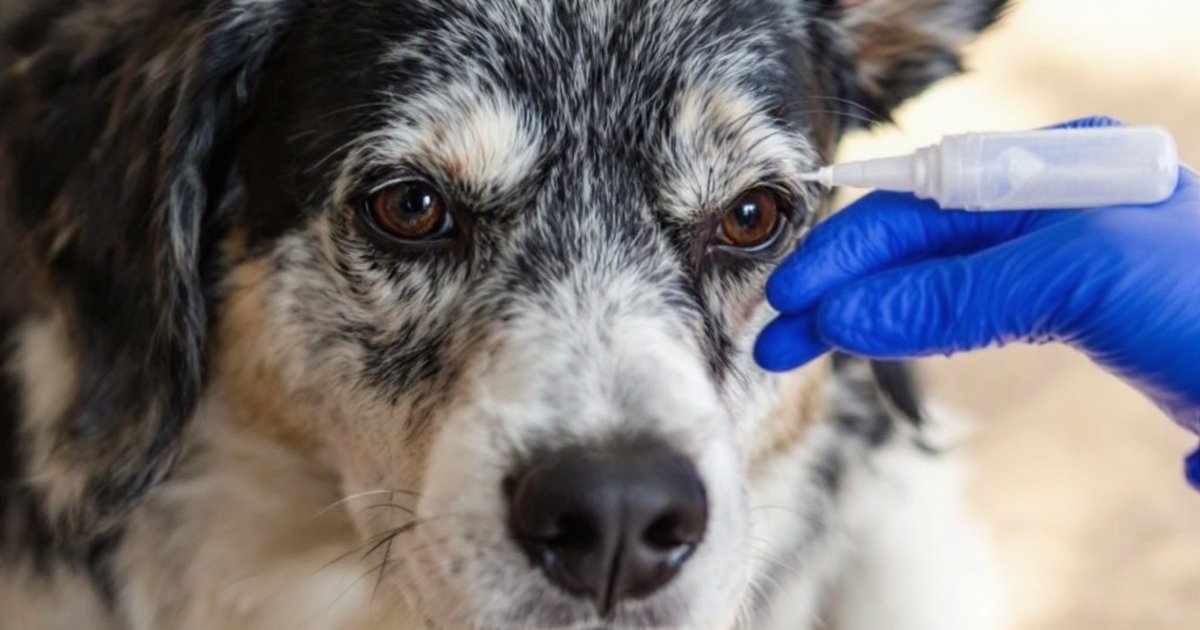
When Two Eye Drops Interact: What Every Dog Owner Should Know
Dog eye drops aren’t all the same — and a new study shows that the type of drop can actually affect how well your dog’s eye infection treatment works. Researchers tested what happens when a common steroid eye drop is used alongside antibiotics, the two main tools vets reach for when a dog develops a bacterial eye infection. The results suggest the choice of antibiotic matters more than you might think, especially when steroids are also part of the treatment.
If your dog has ever had a red, cloudy, or painful eye, you know how quickly it can escalate. Bacterial infections of the cornea (the clear front surface of the eye) are a real concern in dogs and often need both types of drops at once — one to fight the bacteria and one to calm the inflammation. This study looked closely at whether those two treatments play well together.
Why Dogs Often Need Both Antibiotics and Steroids for Eye Problems
When bacteria attack the cornea, two things happen at the same time: infection and inflammation. Antibiotics (drops that kill bacteria) tackle the infection. Steroids (anti-inflammatory drops) help reduce swelling and redness, which can damage the eye even after the bacteria are gone.
Vets sometimes prescribe both types of drops together. That makes treatment faster and more comfortable for the dog — but it also raises an important question: does the steroid interfere with the antibiotic’s ability to do its job? That’s exactly what this study set out to answer.
How the Study Was Done
This was a lab study — meaning researchers worked with bacterial samples in controlled conditions rather than treating live dogs. That’s an important distinction, but lab studies like this are a key first step in understanding drug interactions.
Here’s how it worked:
- Researchers collected 30 bacterial samples from dogs that had bacterial corneal infections — infections of the clear front surface of the eye. These were real clinical samples, taken from actual sick dogs.
- The samples came from three types of bacteria known to cause eye infections in dogs:
- Staphylococcus pseudintermedius (a staph-type bacteria common in dogs)
- Streptococcus canis (a strep-type bacteria)
- Pseudomonas aeruginosa (a tough, hard-to-treat bacteria)
- Ten samples of each bacteria type were tested — 30 in total.
- Each sample was exposed to fluorometholone, a type of steroid eye drop commonly used to reduce eye inflammation. Researchers then measured how well different antibiotic classes could still stop or kill those bacteria.
- Two main antibiotic groups were compared: aminoglycosides (a class that includes drugs like tobramycin and gentamicin, often used in eye drops) and ciprofloxacin (a different type of antibiotic also used in eye drops).
Think of it like a taste test: the researchers checked whether the steroid “seasoned” the bacteria in a way that made them harder — or easier — for certain antibiotics to handle.
What the Researchers Found
The results pointed to a clear difference between the two antibiotic types:
Steroid Drops Changed How Well Some Antibiotics Worked
When the bacteria were exposed to fluorometholone, the results for the aminoglycoside class of antibiotics shifted. In other words, the steroid eye drop appeared to change how susceptible — or vulnerable — the bacteria were to that group of antibiotics. This means that an antibiotic that might look effective on paper could perform differently in a real treatment setting if a steroid is also being used.
One Antibiotic Held Steady
Ciprofloxacin, on the other hand, stayed effective. Its ability to stop all three types of bacteria was not affected by the presence of the steroid. That makes it a more predictable choice when a dog is also receiving steroid eye drops as part of their treatment.
This difference between antibiotic classes is the study’s core message: not all antibiotics respond the same way when steroids are in the mix.
What This Means for You and Your Dog
Your Vet’s Antibiotic Choice Matters More Than You Might Realize
For everyday dog owners, this study is a good reminder that treating an eye infection isn’t just about picking any antibiotic — it’s about picking the right antibiotic for the full situation, including what other medications your dog is receiving.
If your dog is being treated for a corneal infection and is also getting anti-inflammatory eye drops, this research supports why vets should consider which antibiotic combinations remain reliable. It gives veterinarians another reason to think carefully about antibiotic selection rather than defaulting to the same prescription every time.
You don’t need to manage this yourself — that’s your vet’s job. But understanding why antibiotic selection is nuanced may help you have a better conversation at the clinic and feel more confident in the treatment plan.
When to Consult Your Veterinarian
- Report all current eye medications. If your dog is already on steroid eye drops for another condition and develops an eye infection, make sure your vet knows. It may affect which antibiotic they prescribe.
- Watch for signs that treatment isn’t working. If your dog’s eye infection isn’t improving within a few days of starting treatment, call your vet. The infection may need a different antibiotic.
- Never share or swap eye drops. Eye drops for humans or other pets may not be safe for dogs and can contain ingredients at the wrong concentration.
- Keep all follow-up appointments. Eye infections can worsen quickly. Regular check-ins let your vet catch problems early.
Limitations to Keep in Mind
This was a lab study — bacteria in a controlled dish can behave differently from bacteria in a living dog’s eye. The researchers used 30 bacterial samples, which is a reasonable starting point but a small number compared to the full range of infections seen in the real world. Results from lab studies don’t always translate directly to live patients. More research, including clinical trials in real dogs, will be needed to confirm these findings and to understand exactly how much the antibiotic choice matters in practice.
The Bottom Line
A new lab study found that a common steroid eye drop — fluorometholone — can change how well certain antibiotics (aminoglycosides) fight the bacteria that cause dog eye infections. At the same time, ciprofloxacin held up against all three bacteria tested, regardless of the steroid. The study’s clear takeaway for veterinary care: when steroids are part of the treatment plan, antibiotic selection deserves extra thought.
For dog owners, the practical message is simple — keep your vet fully informed about all medications your dog is receiving, and don’t hesitate to ask questions if your dog’s eye infection isn’t getting better. The science of treating eye infections continues to evolve, and studies like this help vets make sharper, more targeted treatment decisions for your pet.
This article summarizes peer-reviewed research for educational purposes. Always consult with your veterinarian for personalized advice about your pet’s health and behavior.