Could a Fitness Tracker Finally Fix Dog Weight Loss?
Dog weight loss is one of the hardest goals for pet owners to stick with — and researchers think a smart collar might change that. A proposed research study aims to find out whether strapping a wearable activity monitor on overweight dogs, combined with regular coaching from a vet technician, can help them shed more weight than standard advice alone. The trial hasn’t run yet, but the idea it’s built on is solid: just like fitness trackers help people stay accountable, the same technology could help dogs — and their owners — finally follow through on a weight plan.
If you’ve ever been told your dog needs to lose weight, you know how quickly good intentions can fade. The vet gives you a calorie target, maybe a food recommendation, and you leave the clinic full of motivation. A few weeks later, life gets busy, the dog begs at the table, and the scale barely moves. This proposed study is designed to tackle exactly that problem.
Why Dog Obesity Needs a Better Solution
Canine obesity — when a dog carries significantly more weight than is healthy — is one of the most common health problems in pet dogs today. Extra weight puts stress on a dog’s joints, raises the risk of diabetes and heart problems, and can shorten a dog’s life. Despite being a well-known issue, it’s notoriously hard to treat. Most dogs who start a weight-loss program don’t reach their goal weight, and many gain the weight back.
The gap isn’t usually in the advice veterinarians give. The challenge is that pet owners struggle to translate calorie plans into daily habits. How much is a cup of kibble, really? Is the dog moving enough today? Without real-time data, it’s easy to underestimate food and overestimate exercise. Wearable technology offers a way to close that gap — giving owners concrete, daily feedback instead of guessing.
How the Proposed Study Would Work
The researchers plan to run a parallel randomized controlled trial — which means dogs would be randomly assigned to one of two groups at the start, and both groups would run at the same time for comparison. A randomized controlled trial is considered the gold standard in medical research because it removes bias and makes the comparison fair.
Here’s the plan:
- 160 overweight dogs would be enrolled — split evenly between two groups.
- Group 1 (standard care): Dogs and their owners would receive the usual weight-management counseling from their vet — things like a target calorie count, food recommendations, and follow-up appointments.
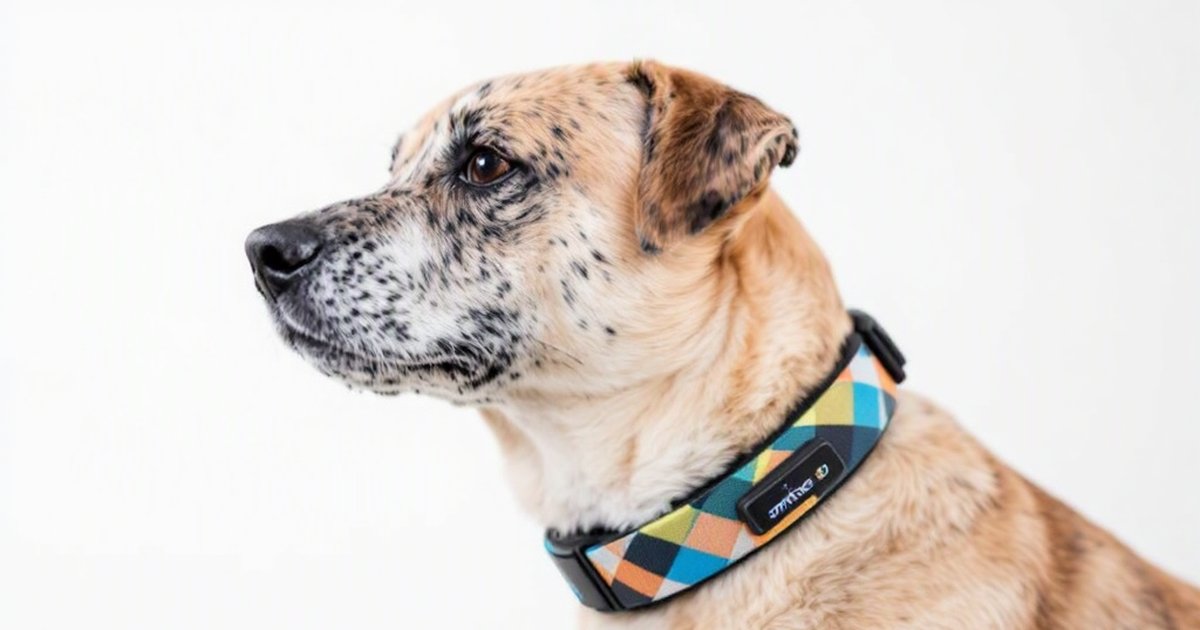
- Group 2 (wearable + coaching): Dogs would wear an activity monitor — essentially a fitness tracker for dogs — that records daily movement. Owners would also receive regular coaching sessions from a veterinary technician (a trained vet clinic professional), who would help them read the data and adjust the dog’s routine over time.
- The study would track outcomes over six months.
The hypothesis is that dogs in the wearable-plus-coaching group will lose more weight than those receiving standard counseling alone.
What the Researchers Expect to Find
Because this study is still a proposed concept and has not yet been conducted, there are no results to report. However, the researchers put forward a clear prediction: overweight dogs using wearable activity monitors combined with regular technician coaching are expected to lose more weight over six months than dogs in the standard counseling group.
This expectation is based on strong reasoning. Research in human medicine has consistently shown that wearable activity trackers improve adherence to exercise and diet plans — people who wear them tend to move more and eat more mindfully. There’s good reason to think the same effect would apply to pet owners tracking their dogs. When an owner can see in real time that their dog has only walked 800 steps today, they’re more likely to head out for an evening stroll.
The coaching element is equally important. Having a technician review the data and offer personalized guidance — “Your dog is hitting the activity goals but seems to be getting extra treats on weekends” — gives owners the support and accountability they need to stay on track.
What This Could Mean for You and Your Dog
A Practical Tool for a Stubborn Problem
If this study confirms its hypothesis, it could give veterinary clinics a practical, affordable new tool for tackling dog obesity. Instead of simply handing owners a food guide and hoping for the best, clinics could pair a weight-loss plan with a wearable monitor and structured coaching. That combination would make it easier for busy owners to follow through — and easier for the clinic to spot problems early and adjust the plan.
For pet owners, it also means the accountability and feedback that make human fitness apps so popular could soon be applied to managing your dog’s health. Many wearable devices for dogs already exist on the market. If formal research backs up their value for weight management, vets may begin recommending them as part of a structured weight-loss program.
When to Consult Your Veterinarian
If your dog is overweight right now, you don’t need to wait for this study to get started. Talk to your vet about a weight-loss plan today. They can:
- Assess your dog’s ideal target weight
- Recommend the right amount and type of food
- Discuss how much exercise is appropriate for your dog’s age, breed, and health status
- Monitor progress at regular weigh-ins
If you’re already using a wearable tracker for your dog, bring that data to your vet appointments. Even without a formal coaching program, sharing activity data can help your vet give better, more personalized advice.
Study Limitations to Keep in Mind
It’s important to be clear: this is a research proposal, not a completed study. The trial has not yet been conducted, and no results are available. The findings described above are expected outcomes, not proven ones. The study design appears sound — a randomized controlled trial with 160 dogs is a reasonable size to detect meaningful differences — but results could turn out differently once the trial is actually run. Real-world factors like dog breed, age, owner motivation, and the type of wearable used could all affect the outcome. Independent peer review and publication in a scientific journal will be necessary before the findings can be fully evaluated.
The Bottom Line
Researchers are proposing a promising trial to test whether smart collar activity monitors — combined with technician coaching — can give overweight dogs a better chance at real weight loss. The plan calls for 160 dogs and a six-month head-to-head comparison against standard counseling. The idea builds on solid logic: data plus accountability helps people stick to health goals, and it may do the same for dog owners.
Dog weight loss is too important to leave to guesswork. While we wait for this research to be conducted, the best step you can take is talking openly with your vet about your dog’s weight, following a personalized plan, and staying consistent. A few extra pounds today can become a serious health problem down the road — and your dog is counting on you to help.
This article summarizes a proposed research concept for educational purposes. The study described has not yet been conducted and no results are available. Always consult with your veterinarian for personalized advice about your pet’s health and weight management.