Your Dog May Look Fine on the Outside — But CT Scans Reveal a Hidden Fat Risk
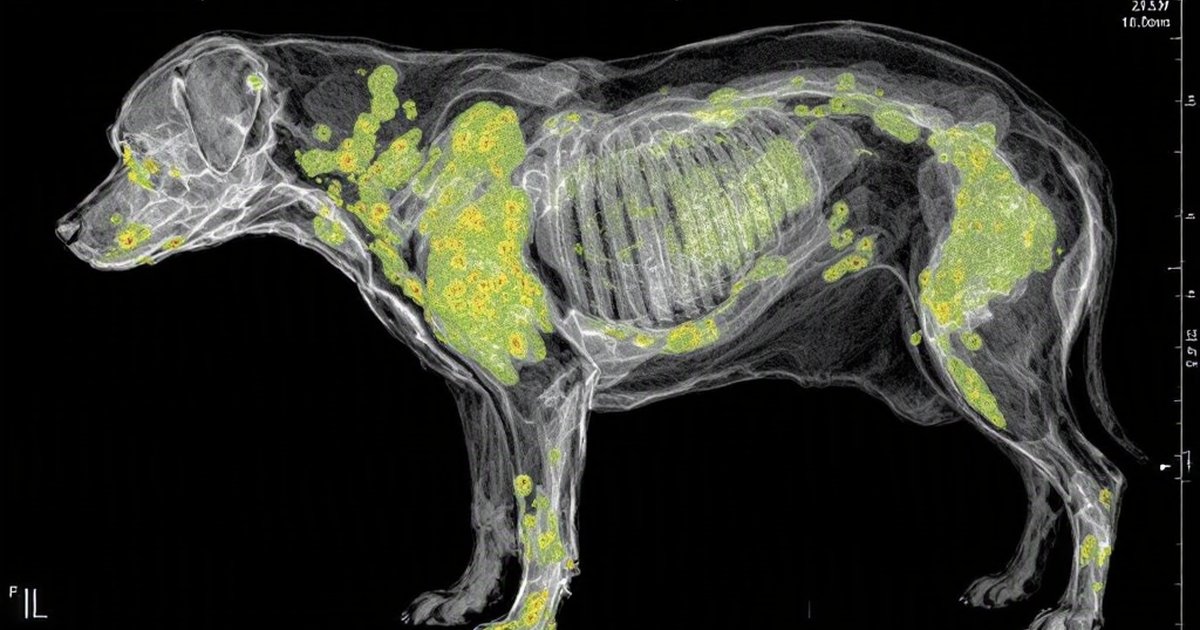
Dog visceral fat — the fat stored deep inside the belly around your pet’s organs — is linked to age and disease, according to a new CT scan study of 205 dogs published in BMC Veterinary Research. What makes this finding especially important is that standard vet check-ups may not catch this risk at all. The routine method vets use to assess a dog’s weight often cannot detect this deeper, more dangerous type of fat.
Most pet owners think of excess fat as the soft layer you can feel under a dog’s coat. But that is only part of the picture. There are actually two very different kinds of fat in a dog’s body — and one of them is far more likely to cause health problems.
Two Kinds of Fat: Not All Fat Is Created Equal
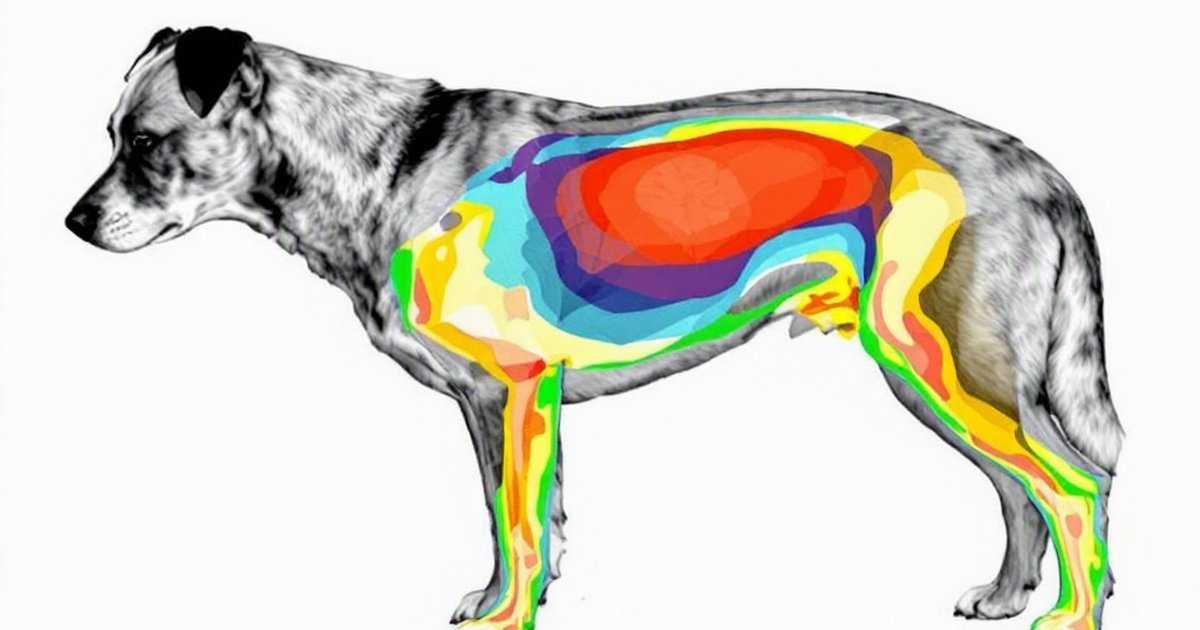
Think of fat in a dog’s body like packing material in a box. Some fat sits just under the skin — like bubble wrap on the outside of the box. This is called subcutaneous fat (fat under the skin). It is visible and easy to feel.
The other type is tucked in around the organs inside the belly — the liver, intestines, and other vital parts. This is called visceral fat (fat wrapped around organs). It is hidden from view and cannot be felt from the outside.
Research in human medicine has shown for years that visceral fat — the hidden, deep belly fat — is more linked to disease than surface fat. This study asked a straightforward question: does the same thing apply to dogs?
How the Study Was Conducted
Researchers used CT scans — the same kind of detailed, 3-D imaging machines used in human hospitals — to look inside 205 dogs and measure exactly how much fat was stored around their organs versus under their skin. This gave a much more precise picture of fat distribution than anything you can assess by eye or by feel.
Here is a quick overview of how the research worked:
- Who was studied: 205 dogs scanned using CT imaging
- What was measured: The location and amount of fat inside the body, broken down into visceral fat (around organs) and subcutaneous fat (under skin)
- What was looked for: Whether visceral fat levels were linked to the dogs’ age or to the presence of health problems
- Why CT scans: Unlike a standard physical exam, a CT scan can “see” fat that is completely hidden inside the abdomen — giving a far more complete assessment of a dog’s metabolic health
Key Findings
Visceral Fat Was Tied to Age and Disease
The study found that higher amounts of visceral fat were connected to both older age and the presence of disease in the dogs examined. In other words, dogs with more fat packed around their organs were more likely to be older and more likely to have health problems.
This mirrors what doctors have found in people — that deep belly fat is not just a sign of being overweight but is itself associated with poorer health outcomes. The fat around organs is metabolically active (meaning it is not just sitting there — it is releasing chemicals that can affect how the body works), and those effects appear to matter in dogs too.
Standard Body Condition Scoring May Miss the Risk
Perhaps the most practically important finding is this: the method that vets most commonly use to assess a dog’s weight — called body condition scoring — may not catch visceral fat accumulation. Body condition scoring works by looking at and feeling the dog’s body from the outside. A vet or trained technician checks whether ribs are easy to feel, whether there is a visible waist, and whether the belly tucks up appropriately.
That is a useful tool, but it measures surface fat. A dog could score in the “healthy” range using body condition scoring and still be carrying a significant amount of hidden visceral fat. The study suggests this creates a blind spot — dogs who appear to be at a healthy weight by standard measures may still have a metabolic fat risk that goes undetected.
What This Means for You and Your Dog
“Normal Weight” Doesn’t Always Mean “No Risk”
If your dog has been told they are at a healthy weight at a vet check-up, that is good news — but this study is a reminder that weight and fat distribution are not the same thing. A dog can have a normal body condition score and still have elevated visceral fat, particularly as they get older.
This does not mean you should panic or assume your dog has a hidden problem. It does mean it is worth having a broader conversation with your vet if your dog is older, has developed a health condition, or if you are concerned about their metabolic health.
Older Dogs May Deserve Extra Attention
Because visceral fat was linked to age in this study, senior dogs may be at greater risk of carrying fat in risky places even if they look trim. If your dog is getting older and you are focused on keeping them healthy, ask your vet whether further evaluation of internal fat distribution is warranted — especially if other health issues are already present.
Practical Steps You Can Take
While CT scans are not a routine part of most vet visits, there are everyday habits that can help keep visceral fat under control in dogs:
- Regular exercise: Daily walks and active play help dogs burn calories and reduce fat stored around organs.
- Appropriate portion sizes: Avoid overfeeding, even with healthy food. Ask your vet for guidance on the right amount for your dog’s size, breed, and age.
- Limit high-calorie treats: Treats add up quickly. Swap some food-based rewards for play, praise, or low-calorie alternatives.
- Annual vet check-ups: Regular visits give your vet the chance to track weight trends over time and flag changes early.
When to Talk to Your Veterinarian
If your dog is overweight or has recently been diagnosed with a health condition, it is worth asking your vet about the role fat distribution may be playing. While CT scans are not standard practice for weight management, your vet can help you put together a plan to reduce excess fat through diet and exercise. For dogs with unexplained illness or worsening health, imaging may sometimes be appropriate to get a fuller picture of what is happening inside.
Study Limitations
This was an observational study — meaning researchers observed what was already present in the dogs, rather than testing a specific treatment. That means the findings show a link between visceral fat, age, and disease, but they cannot prove that visceral fat directly causes those health problems. There may be other factors involved. The study also focused on a specific population of dogs, so the results may not apply equally to all breeds or living situations. Future research with more diverse groups of dogs would help confirm these findings and better explain the underlying mechanisms.
Bottom Line
A CT scan study of 205 dogs found that dog visceral fat — the fat stored around internal organs — is linked to age and health problems, and that the standard method vets use to assess weight may miss this hidden risk. While CT scans are not routine tools for most pet owners, the study is a useful reminder that healthy-looking dogs can still carry fat in places that matter for their long-term health. Regular exercise, portion control, and consistent vet care remain the best practical tools for keeping your dog’s overall fat levels — inside and out — in a healthy range.
Disclaimer
This article summarizes peer-reviewed research for educational purposes. Always consult with your veterinarian for personalized advice about your pet’s health and behavior.