Indoor Cats Are More Likely to Become Overweight — and Your Bond May Play a Role
If your cat never ventures outside, a new study of 192 cats suggests indoor life itself is a major driver of feline obesity risk. Researchers found that cats kept indoors were more likely to become overweight than those with outdoor access. But there was a second, more surprising finding: the closer the relationship between owner and cat, the greater the risk of obesity. The study points to the importance of stepping in early — before your cat’s waistline becomes a problem.
Obesity is one of the most common health issues affecting pet cats today. It raises the risk of diabetes, joint pain, heart disease, and a shorter lifespan. Understanding what puts cats at risk in the first place is a key step toward protecting them.
Why Researchers Looked at Indoor Life and Owner Bonds
Most cat owners know that indoor cats tend to move less than outdoor cats. But researchers wanted to understand not just that indoor cats are at risk, but how much that risk is shaped by the home environment — including the relationship between owner and pet.
Previous studies on cat obesity have often focused on diet alone. This study took a wider view. It examined where cats live, how active they are, and how the bond between owners and their cats might influence feeding habits and daily routines. The goal was to identify which factors matter most — and where prevention efforts should be focused.
How the Study Was Conducted
This was an epidemiological (population-level) study — meaning researchers gathered information about a group of cats and their households to look for patterns, rather than testing a specific treatment or intervention. Here is how it worked:
- Who was studied: 192 privately owned cats living in home environments
- How data was collected: Researchers observed cats in their normal settings and gathered information about their living situations, activity levels, and their owners’ relationships with them
- What was measured: Body weight and body condition, indoor versus outdoor access, and the strength of the owner-pet attachment — meaning how emotionally close owners felt to their cats and how they cared for them day to day
- What was looked for: Which factors were linked to a higher likelihood of obesity
Think of it like a health survey, but for cats and their households. The researchers were trying to find the common threads among cats that ended up overweight.
Key Findings
Indoor Cats Face a Greater Risk of Becoming Obese
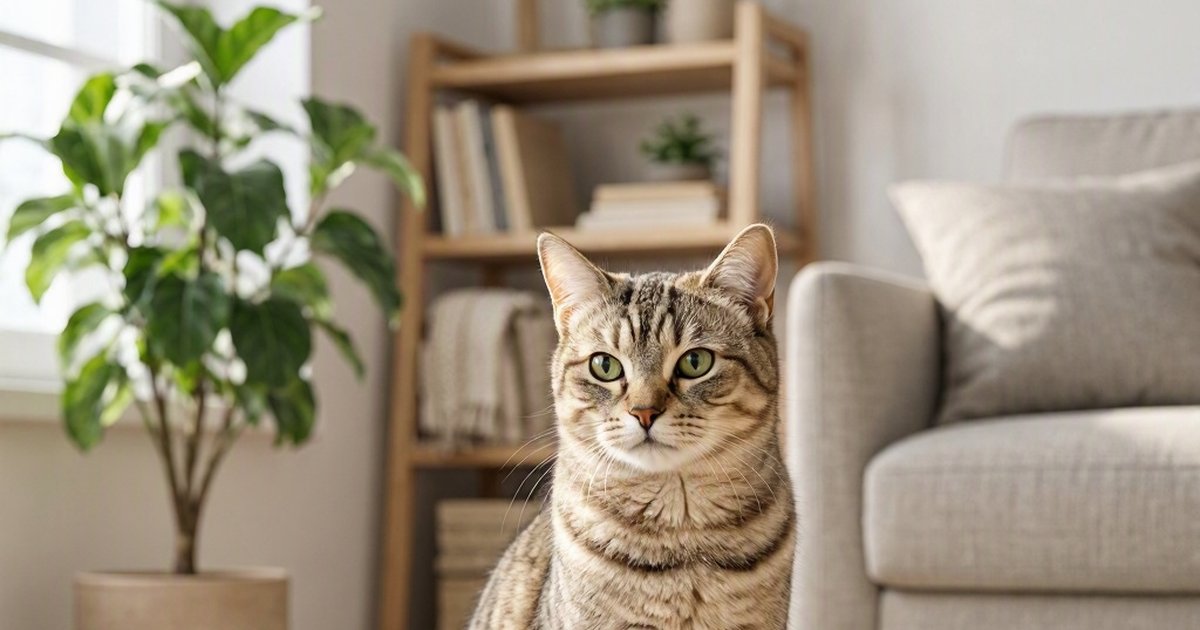
The study found that indoor confinement increases a cat’s risk of obesity. This makes intuitive sense — cats that stay inside tend to have less space to roam, fewer opportunities to stalk or hunt, and often less physical stimulation throughout the day. When physical activity drops but calorie intake stays the same, weight tends to creep up.
Outdoor cats, by contrast, burn more calories simply by moving through a larger territory, climbing, jumping, and engaging with their surroundings. That extra activity helps keep their weight in check.
A Strong Owner Bond Was Linked to Higher Obesity Risk
Perhaps the most eye-opening finding was this: cats with owners who had a stronger emotional attachment to them were more likely to be obese. This does not mean love is bad for your cat — far from it. But it does point to a common pattern that many vets recognize.
When owners feel very close to their pets, they may be more likely to offer extra treats, respond to food-seeking behavior (like meowing or rubbing) by giving snacks, or feel reluctant to withhold food when a cat seems to want it. Feeding a pet can feel like an act of care and affection. Over time, though, those small extras add up — and that can tip a cat from a healthy weight into the overweight range.
Early Intervention Is the Key
The study concludes that the best time to act is before obesity sets in — not after. By the time a cat looks visibly overweight, excess fat has already been accumulating for some time. The researchers suggest that exercise, environmental enrichment (activities and spaces that keep cats mentally and physically active), and careful portion control should be priorities in indoor feline households from an early stage.
What This Means for You and Your Indoor Cat
Your Bond Is an Asset — Use It Wisely
The fact that a close owner-pet bond was linked to obesity is not a reason to love your cat less. It is a reason to channel that love into activities that support health rather than just food. Instead of offering a treat when your cat meows at you, try a short play session with a wand toy or a feather on a stick. Cats that are mentally and physically engaged are less likely to fixate on food — and more likely to stay at a healthy weight.
Enrich Your Cat’s Environment
Indoor cats need their environment to do some of the work that the outside world would naturally do for an outdoor cat. Some simple ways to keep an indoor cat more active:
- Puzzle feeders: Instead of serving food in a bowl, hide small portions in a puzzle toy or scatter feeder. This makes your cat work — and move — for meals.
- Vertical space: Cat trees, shelves, and window perches encourage climbing and jumping, which burns calories and keeps joints healthy.
- Interactive play: Aim for at least two short play sessions a day. Even 10 minutes of chasing a toy can make a difference.
- Rotating toys: Cats get bored with the same toys. Rotate what is available to keep curiosity alive.
Watch Portions, Not Just Ingredients
Many cat foods are calorie-dense. Even a high-quality diet can lead to weight gain if portion sizes are too generous. Check the feeding guidelines on your cat’s food and ask your vet whether the recommended amount is right for your cat’s size, age, and activity level.
When to Talk to Your Veterinarian
If you are not sure whether your cat is at a healthy weight, ask your vet at the next check-up. Vets use a simple scoring system called a body condition score to assess whether a cat is underweight, ideal, or overweight — you cannot always tell just by looking. If your cat is already carrying extra weight, your vet can help you put together a safe, gradual weight-loss plan. Rapid weight loss in cats can actually be dangerous, so it is important to do it under professional guidance.
Study Limitations
As an observational study, this research identifies links between indoor life, owner attachment, and obesity — but it cannot prove that one directly causes the other. There may be other factors at play, such as the type of food offered, how often cats are played with, or the layout of the home. The study also may not capture every variable that shapes obesity risk. Larger studies across more diverse populations would help confirm these findings and reveal more about why the owner attachment effect occurs. Still, the patterns the researchers found are consistent with what many veterinary professionals see in practice.
Bottom Line
A study of 192 cats found that indoor confinement and a strong owner-pet bond are both linked to a higher risk of feline obesity. The good news is that both are within your control. Keeping your indoor cat active, offering mental stimulation, and being mindful of portions and treats are practical steps you can start today — well before any weight problem develops. The best time to protect your cat’s weight is now, not after the scale tips.
Disclaimer
This article summarizes peer-reviewed research for educational purposes. Always consult with your veterinarian for personalized advice about your pet’s health and behavior.