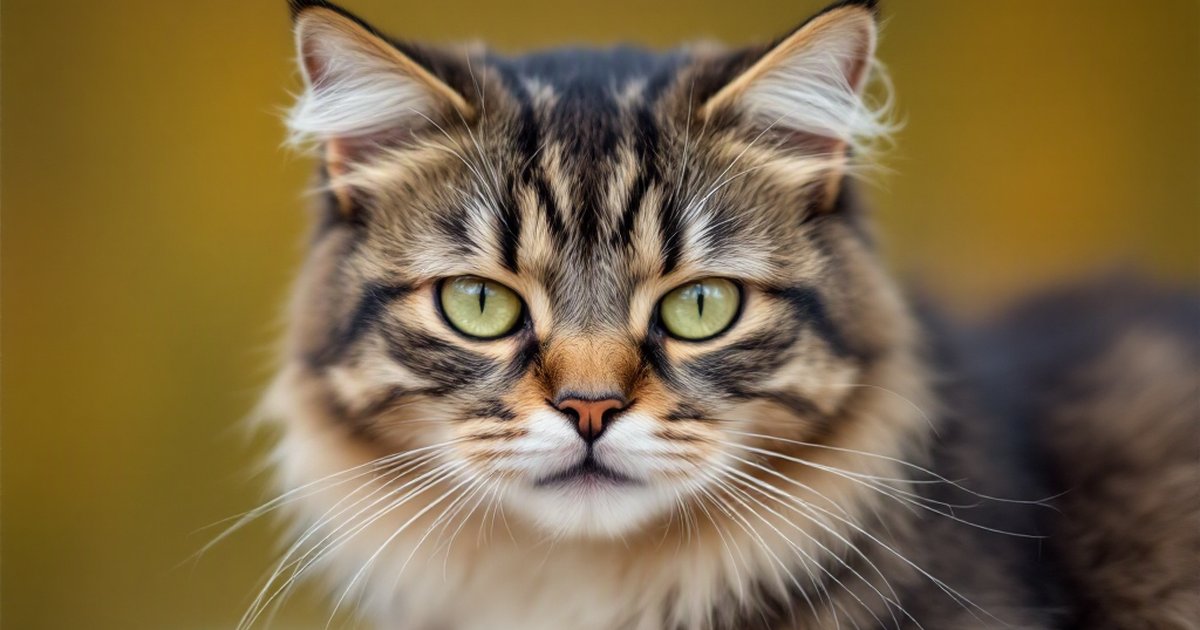
Male Cats May Carry More Long-Term Stress Than Females
Cat stress is easy to miss — and a new study of 103 cats suggests male cats may be carrying more of it than females. Researchers tested fur samples and found that male cats had measurably higher levels of cortisol, the hormone your body produces when it is under stress. Even more eye-opening: a cat’s age and breed made little difference to the result. Sex turned out to be the key factor.
If you live with a male cat, this research gives you a fresh reason to pay closer attention to signs of stress — and a glimpse at how vets may one day assess long-term feline stress with something as simple as a few strands of fur.
Why Measuring Stress in Cats Is So Complicated
Anyone who has tried to read a cat’s mood knows the challenge. Cats hide stress well. By the time obvious signs appear — like hiding more, over-grooming, or going off food — stress may have been building for weeks or months.
Most existing tools for assessing cat stress rely on checklists: how many cats are in the home, does the cat have its own space, does it get enough play? Those questions are useful, but they measure the environment rather than what is happening inside the cat’s body. What researchers wanted was a more direct, biological measure — something that could reveal whether a cat had actually experienced stress over a long period of time, not just whether its living situation seemed risky on paper.
How the Study Was Done
This was an observational study, meaning researchers watched and measured rather than changing anything about the cats’ care. Here is how it worked:
- Who was studied: 103 cats — all of them intact (not yet spayed or neutered) — brought in to veterinary clinics for a routine neutering procedure.
- What was collected: A small sample of fur from each cat at the time of the appointment.
- What was measured: The amount of cortisol in each fur sample. Cortisol is sometimes called the “stress hormone.” When it builds up in fur, it acts like a diary entry — it reflects how much stress the animal experienced over the past weeks or months, not just in the moment.
- What was compared: Cortisol levels were analyzed alongside each cat’s sex, age, and breed to see which factors, if any, were linked to higher or lower readings.
Hair cortisol analysis is a bit like checking a weather log instead of just looking out the window today. A single blood test or a vet visit snapshot only tells you about stress right now; fur tells you about the weeks leading up to it.
Key Findings
Male Cats Had Higher Cortisol Levels
The clearest result: male cats had significantly higher hair cortisol concentrations than females. This means the males in the study appeared to have been experiencing more chronic (long-lasting) stress in the period before their fur was tested.
Why males might carry more long-term stress than females is not yet fully understood. But the finding itself is important — it means that when a vet or researcher is trying to figure out whether a cat is under chronic stress, the animal’s sex is a meaningful piece of the puzzle.
Age and Breed Did Not Matter Much
Perhaps surprisingly, neither age nor breed was found to have a significant effect on cortisol levels. You might expect older cats to show more wear from life experiences, or certain breeds to be more sensitive than others — but this study did not find strong support for either idea. Instead, the researchers highlighted that individual variation between cats played a role. Two cats of the same sex, age, and breed could still have notably different stress levels based on their own unique personalities and histories.
Fur May Be Better Than a Checklist
The researchers suggest that hair cortisol testing may be a more useful long-term welfare tool than simply reviewing a list of household conditions. Checking off boxes about living environment is helpful, but it cannot capture how a specific cat actually responded to that environment. A fur sample can.
What This Means for You and Your Cat
Pay Extra Attention to Male Cats’ Stress Signals
If you share your home with a male cat, this study is a gentle nudge to watch for signs that he may be struggling with background stress. Common signs that cats are stressed include:
- Hiding more than usual
- Over-grooming or developing bald patches
- Changes in appetite or litter box habits
- Increased aggression or becoming unusually withdrawn
- Excessive vocalization
These signs can have many causes, but they are worth noting — especially in male cats, who this research suggests may be running higher baseline stress levels to begin with.
Understand What “Chronic Stress” Means for Cats
Chronic stress — stress that goes on for a long time, even at low levels — is different from a single scary event. A cat startled by a loud noise will be briefly stressed and then recover. But a cat that feels persistently unsafe or overwhelmed builds up cortisol over time, and that sustained stress can affect health and quality of life. The fur test in this study captures that kind of long-term picture in a way that a vet’s waiting-room observation simply cannot.
When to Consult Your Veterinarian
If your cat — male or female — shows persistent signs of stress, make an appointment with your vet. Behavioral changes often point to an underlying issue, whether that is stress, illness, or pain. Your vet can help you work out what is driving the behavior and suggest steps to improve your cat’s wellbeing, from environmental enrichment to medical support when needed. Hair cortisol testing is not yet a standard clinical tool, but research like this is building the evidence that may bring it into everyday practice.
Study Limitations
This study focused on intact cats brought in for a neutering procedure, so the findings may not apply directly to already-spayed or neutered cats, or to cats in other situations. As an observational study, it identifies a link between sex and cortisol levels but does not explain why the difference exists. The sample size of 103 cats is a reasonable starting point, but larger studies across different settings and populations would help confirm how reliably hair cortisol captures chronic stress and whether the sex difference holds up broadly. Individual variation in cortisol levels also means no single reading can substitute for a full clinical picture.
Bottom Line
A study of 103 cats found that males had higher hair cortisol — a biological marker of long-term stress — than females. Age and breed had little effect on the result, while individual differences between cats did matter. The research suggests that hair cortisol testing may one day offer vets a more direct window into chronic feline stress than checklist-style welfare assessments alone. For now, if you have a male cat, keep a close eye on his mood and behavior — and do not hesitate to talk to your vet if something seems off.
Disclaimer
This article summarizes peer-reviewed research for educational purposes. Always consult with your veterinarian for personalized advice about your pet’s health and behavior.