When Your Pet Can’t Breathe: Which Imaging Tool Gets It Right?
Pet breathing emergency imaging is one of the most critical tools a vet has when a dog or cat arrives struggling to breathe. A new study compared two front-line options head-to-head in 144 real emergency cases — chest X-rays versus bedside ultrasound. The result: X-rays came out ahead on accuracy, but ultrasound proved its worth by getting information faster. For pet owners, this finding helps explain exactly what vets are doing when your animal is rushed into the back of an emergency clinic.
If you have ever wondered why the vet sometimes waves a small probe over your pet’s chest before taking them for a formal X-ray, this study helps answer that question.
Why This Imaging Decision Is So Hard in an Emergency
When a pet is in respiratory distress — struggling to pull in air — the vet needs to pinpoint the cause fast. Is there fluid around the lungs? A collapsed lung? A heart problem pushing fluid into the airways? Each cause calls for a completely different treatment. Getting it wrong can cost precious time.
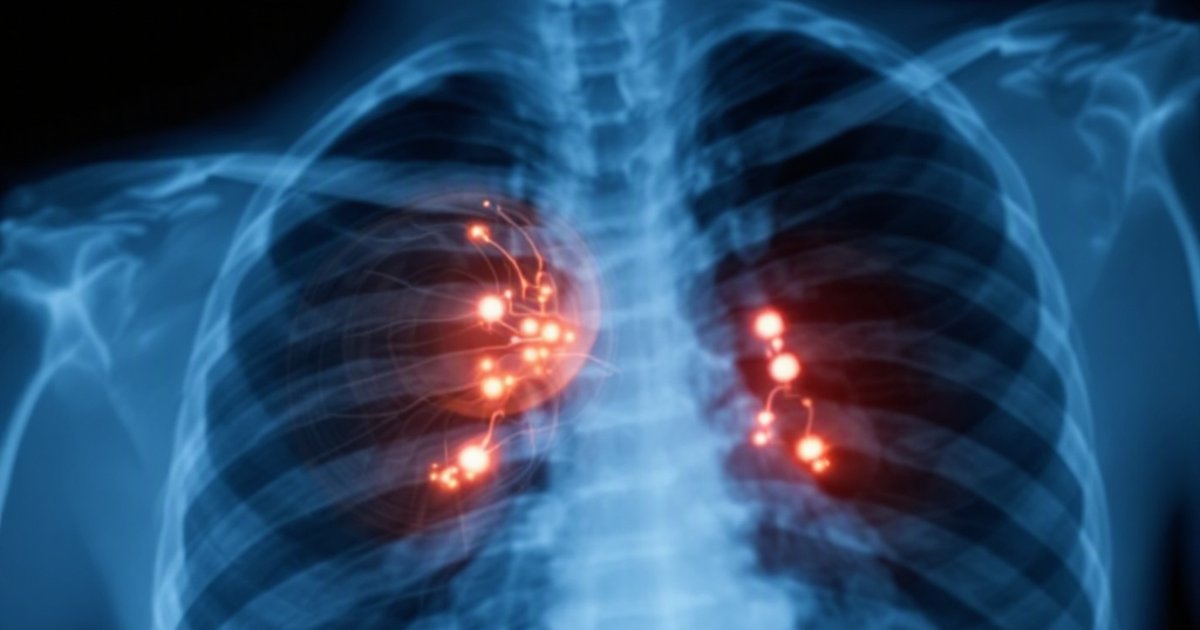
Two imaging tools are almost always available in emergency clinics. Chest X-rays (also called thoracic radiographs) produce a detailed, full-chest image that shows the lungs, heart, and surrounding structures. Ultrasound uses harmless sound waves to create real-time pictures right at the bedside, without moving the animal to a separate room. Both have real advantages. What was missing was direct, side-by-side evidence comparing them in the same emergency patients. This study set out to close that gap.
How the Study Was Conducted
Researchers ran what is called a prospective observational study — they followed real emergency patients as they arrived, recording data without changing the care each animal received. Here is what that looked like in practice:
- Who was studied: 144 dogs and cats brought into a veterinary hospital for sudden, acute breathing problems.
- What was compared: Both chest X-rays and lung ultrasound were performed on the same animals during the same emergency visit.
- How accuracy was measured: Researchers compared each imaging method’s initial findings to the final confirmed diagnosis — essentially grading how often each tool pointed the vet in the right direction.
- Real emergency conditions: Because this was not a controlled lab test, the findings reflect the kind of messy, fast-moving situations that happen in actual vet clinics every day.
Key Findings
X-Rays Matched the Final Diagnosis More Often
The clearest takeaway: chest X-rays agreed with the confirmed diagnosis more often than ultrasound did. In a breathing emergency, that accuracy edge matters enormously. If the imaging points a vet toward the right cause sooner, treatment can start sooner.
Think of an X-ray as a detailed map of the entire chest at one moment in time — every structure visible at once. Ultrasound is more like looking through a small window: highly useful, but offering a narrower view of one area at a time. That limitation can make it harder to catch the full picture of complex chest conditions.
Ultrasound Added Valuable Speed
Even though ultrasound fell short of X-ray accuracy, it had a clear advantage: speed. Ultrasound equipment sits right in the treatment area. A vet can pick up the probe and start scanning within seconds of a patient arriving, without moving the animal or waiting for X-ray positioning. In a patient who is severely oxygen-deprived, that speed can be life-saving.
The study found that ultrasound helped accelerate the overall diagnostic process. It gave the team early, real-time clues while the formal X-ray was being prepared. The researchers concluded that the two tools work best together — not as rivals, but as partners in a two-step approach.
What This Means for Pet Owners
Expect Both Tools to Be Used
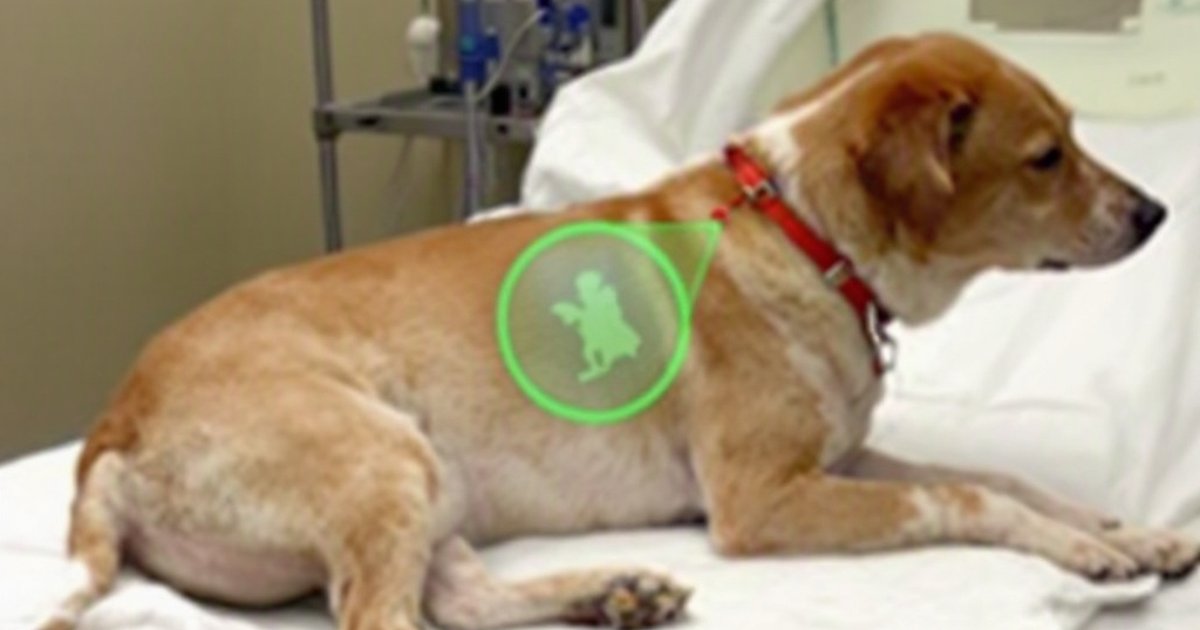
If your pet is ever rushed into an emergency clinic with a breathing problem, you may see the team quickly scan the chest with a small handheld probe before taking your animal for a formal X-ray. That is not random. The quick ultrasound scan delivers an early read on what might be happening right now, while the X-ray is being arranged to confirm and complete the picture. This combined approach is backed by evidence and gives your pet the benefit of both technologies.
Recognize the Warning Signs
Knowing what imaging vets use is useful, but knowing when to rush your pet to care matters even more. Bring your pet to an emergency clinic right away if you notice:
- Rapid or labored breathing while resting
- Breathing through an open mouth (unusual for cats; alarming in either species)
- Gums or tongue that look blue, gray, or pale
- Neck stretched forward, elbows pushed out, obvious effort to pull in air
- Sudden collapse combined with any change in breathing
When to Consult Your Veterinarian
You do not need to decide which imaging tool your vet uses — that is their judgment call based on what is in front of them. What you can do is act quickly. Breathing emergencies are never a “let’s wait overnight and see” situation. If your dog or cat is having unusual trouble breathing, call your vet or head to an emergency clinic right away. Early imaging, whichever form it takes, leads to faster answers and faster treatment.
Study Limitations
This research was conducted at a single veterinary teaching hospital, which may not represent every type of practice or patient population. As an observational study, the researchers note that not every variable affecting diagnostic outcomes could be fully controlled — factors such as clinician experience with each imaging method and the specific severity of each case could have influenced results. The study also could not account for every possible underlying condition seen in emergency patients. Larger studies across multiple hospitals would help confirm when each imaging tool performs best and for which specific diagnoses.
Bottom Line
In a study of 144 dogs and cats, chest X-rays provided higher diagnostic accuracy than ultrasound in breathing emergencies — but ultrasound added useful speed. The two imaging tools complement each other: ultrasound delivers rapid bedside information right away, and X-rays provide the accurate, detailed picture needed to confirm the diagnosis. Emergency vets increasingly use both together for a reason. If your pet ever shows signs of a breathing crisis, do not wait — get to a vet or emergency animal hospital as quickly as possible.
Disclaimer
This article summarizes peer-reviewed research for educational purposes. Always consult with your veterinarian for personalized advice about your pet’s health and behavior.