The benefit
The good news is, feeding prebiotics and adjusting meal management can support your dog’s gut health, reduce obesity risk, and contribute to better overall well-being. Dogs receiving prebiotics show improvements in metabolic health by encouraging beneficial gut bacteria. Thoughtful meal planning and owner education help prevent weight gain, making daily routines more effective for your dog’s long-term health.
The science
Prebiotics are dietary fibers your dog’s digestive enzymes cannot break down, so they reach the colon intact and serve as fuel for beneficial gut bacteria. These bacteria ferment prebiotics, producing compounds that help regulate metabolism, support immune function, and reduce inflammation. When you manage meal portions, schedule feeding times, and choose foods with prebiotics, you create a foundation for healthier digestion and improved weight management in your dog.
What the study found
Results showed that dogs fed prebiotics developed a more balanced gut microbiota, with higher counts of beneficial bacteria and improved metabolic profiles. This means their digestive systems worked more efficiently and inflammation markers decreased. Clinical trials reported that dogs with structured feeding routines and educated owners had lower rates of obesity compared to those with free-feeding practices. In plain terms, scheduled meals and informed choices directly impacted your dog’s waistline. Studies also linked prebiotic use to better overall health, as measured by energy levels and coat quality. This suggests that gut health connects to how your dog feels and looks day to day. No adverse effects were reported with prebiotic supplementation or feeding management changes. Practically, you can try these strategies safely alongside your usual care.
Real-world application
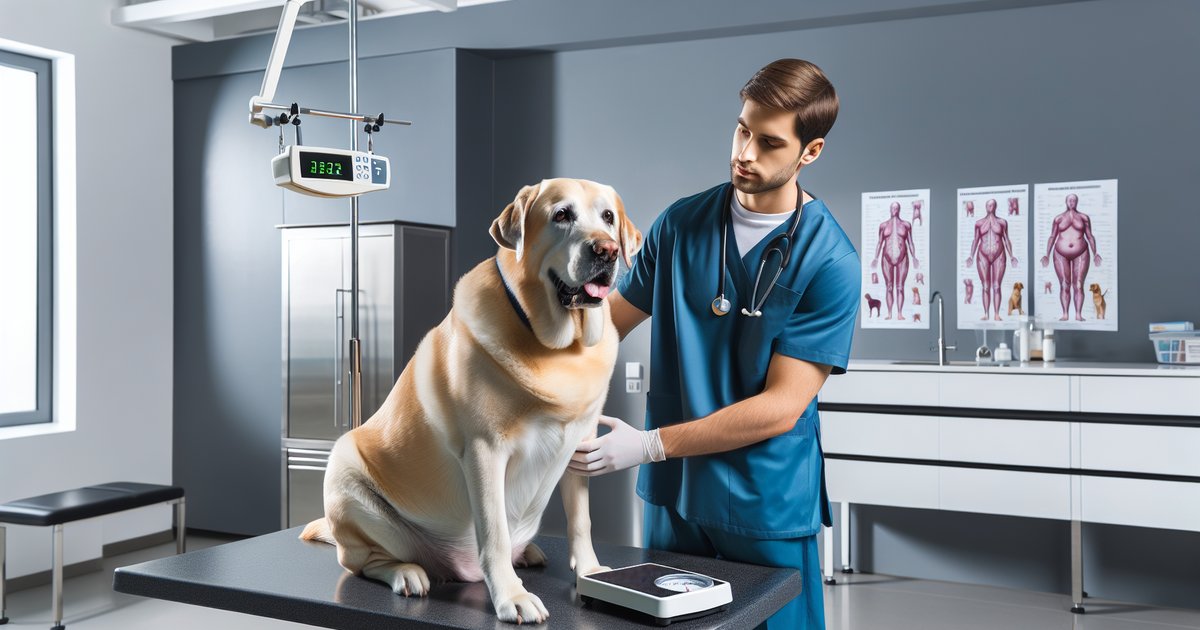
At home, you might notice your active Labrador staying leaner with measured meals and a daily scoop of prebiotic powder, or your senior beagle showing more energy and fewer digestive upsets after switching to a fiber-enriched kibble. If you have a dog who begs at the table, setting feeding times and using slow-feeder bowls can help reduce overeating. Families with busy schedules can pre-portion meals on weekends to keep routines consistent. With your veterinarian, you can review your dog’s body condition score, discuss the best prebiotic sources, and create a weight-management plan tailored to your dog’s age and activity level. Owners of dogs prone to obesity—like pugs or dachshunds—can use these strategies to prevent excess weight and support joint health.
How to implement
- Choose a commercial dog food with added prebiotic fibers, such as inulin or beet pulp, or ask your veterinarian about a safe prebiotic supplement.
- Measure out each meal with a kitchen scale or measuring cup to avoid overfeeding; record amounts for consistency.
- Feed meals at set times, dividing the daily ration into two or three portions rather than leaving food out all day.
- Use slow-feeder bowls or puzzle feeders to encourage slower eating and support digestion.
- Monitor your dog’s weight and body condition every two weeks, adjusting portions as needed.
- Keep a feeding diary to track treats and table scraps, and limit extras to less than ten percent of daily calories.
- Involve all family members in the feeding routine to ensure everyone uses the same measurements and schedule.
- Check in with your veterinarian before introducing new supplements or making significant changes to your dog’s diet.
What to expect
Week one: your dog adjusts to the new feeding schedule and prebiotic source, with some dogs showing firmer stools and steadier energy. Weeks two to four: appetite stabilizes, and you may notice less begging between meals as your dog adapts to predictable routines. By week six, dogs with regular prebiotic intake often show improved coat quality and more consistent weight trends. Some dogs maintain their new weight by week eight, while others need small portion adjustments. Most owners find the process easier with ongoing tracking and veterinary check-ins. Consistency supports lasting results.
Potential concerns
- Dogs with sensitive stomachs may need slower prebiotic introduction to prevent temporary gas or loose stools; start with a small amount.
- Overweight dogs require precise portion control and reduced treats during transition; monitor weight weekly for best results.
- Dogs on prescription diets should only add prebiotics or change feeding routines under veterinary guidance.
- Multi-dog households need individualized portioning to prevent food stealing or competition at mealtime.
Study limitations
- Sample sizes varied across studies, limiting the ability to compare all outcomes directly.
- Some studies relied on owner-reported data for feeding practices and weight tracking.
- Follow-up periods were sometimes short, so long-term effects were not always measured.
- Research included both clinical and observational studies, resulting in mixed levels of control over variables.
Bottom line
Prebiotics and mindful feeding routines support your dog’s gut health and help prevent obesity. You can start with measured meals and a scoop of prebiotic powder—no complicated changes required.
Your implementation checklist
Gather your dog’s usual food, a kitchen scale or measuring cup, and a prebiotic supplement recommended by your veterinarian. Divide the daily ration into two or three portions, and feed at the same times each day to build a routine your dog can count on. If your dog eats too quickly, use a slow-feeder or stuff meals into a puzzle toy to stretch out mealtime and encourage natural foraging. Keep a small notebook handy to jot down the amount fed, any treats given, and observations about your dog’s stool or energy levels. Enlist family members to help portion meals and stick to the plan, especially when your schedule gets busy. If your dog is used to grazing, gradually reduce access to free-choice food by picking up leftovers after 15 minutes. Every two weeks, weigh your dog or check body condition to make sure you’re on track. If you notice changes or have questions, bring your diary to your next veterinary appointment for a tailored review.
Disclaimer
This brief provides general information and does not replace veterinary advice. Always consult your veterinarian before making significant changes to your dog’s diet or care routine.