Your Dog Loves the Same Walk—and Science Finally Explains Why
Does your dog pull you toward the same familiar loop every morning? Does your cat disappear into the neighborhood and return on its own mysterious schedule? It turns out this isn’t just a personality quirk. A large new study shows that dog navigation behavior is rooted in millions of years of evolution—and the same goes for your cat’s free-roaming ways.
Researchers tracked 1,239 wild carnivores across 34 species on six continents using GPS. What they found was striking: dog relatives (canids) build dense, well-worn networks of travel routes, much like a system of roads. Cat relatives (felids), on the other hand, move more freely without sticking to set paths. This ancient difference shows up in our living rooms and backyards every single day.
Why Scientists Studied How Predators Move
For a long time, researchers assumed that predators—animals that hunt other animals—just wandered around looking for prey. There was no clear reason to think they would stick to fixed routes. This study set out to test that assumption using modern GPS technology on a massive scale.
The researchers wanted to know: do different types of predators move in different patterns? And if so, why? The answer, it turns out, has everything to do with how an animal finds its way around—and what senses it relies on most.
How the Study Worked
The team collected GPS tracking data from 1,239 wild carnivores representing 34 species spread across all six inhabited continents. That is an enormous dataset, covering animals from wolves and foxes (canids) to lions, leopards, and domestic-cat relatives (felids).
By analyzing thousands of movement records, the scientists could map out each animal’s travel paths over time. They looked at:
- How often animals returned to the same routes
- How dense each species’ route network was
- How much routes overlapped within the same species
This gave them a clear picture of whether each group of animals was a “route follower” or a “free explorer.”
What the GPS Data Revealed
Canids Are Creatures of Habit
The results were clear: canids—the group that includes wolves, foxes, coyotes, and yes, your dog—built much denser networks of regular travel routes than any cat species. Think of it like a spider’s web versus a random tangle of string. Canids had the web: an organized system of paths they returned to again and again.
Why? The study points to scent-tracking—the ability to follow smells. Dogs and their wild relatives have extraordinary noses. They can lay down scent marks along a route and then sniff them out to find their way back. This makes it practical—and useful—to follow the same paths repeatedly. A familiar route is a road map written in smells.
Felids Prefer to Explore
Cat relatives showed a very different picture. Rather than sticking to fixed routes, felids ranged more widely and varied their paths more often. A mountain lion or leopard doesn’t need to retrace yesterday’s steps because its hunting strategy relies more on sight and stealth than on following scent trails.
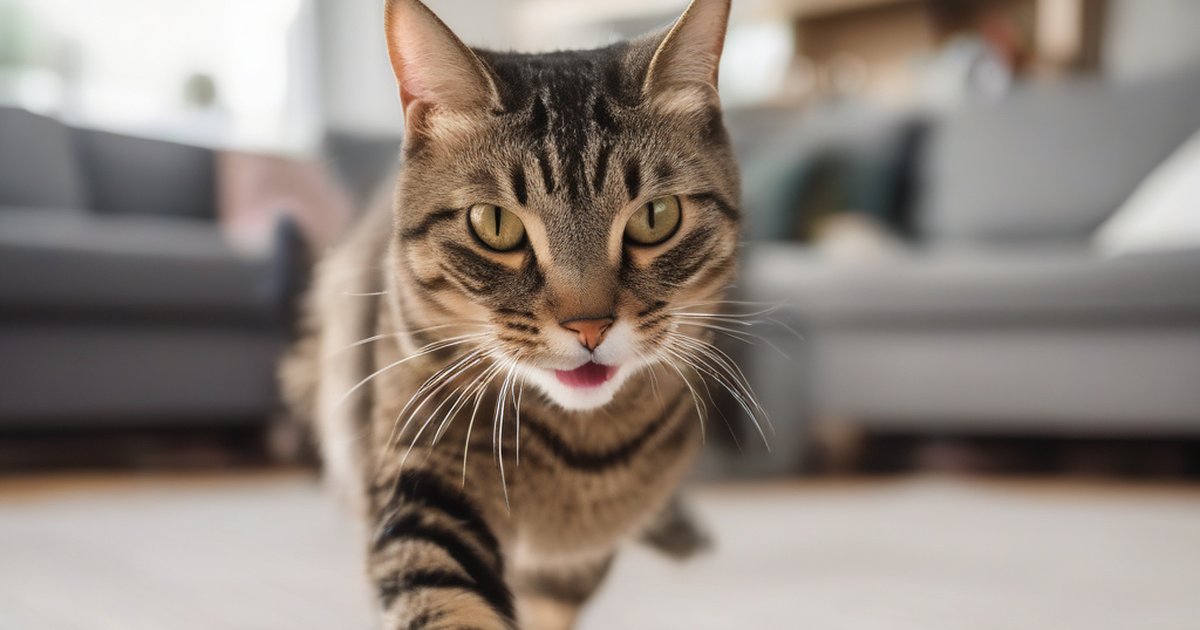
Your house cat is carrying on this same tradition. When your cat slips out the door, it isn’t lost—it’s doing what felids have always done: exploring on its own terms.
Overturning a Long-Held Assumption
One of the study’s biggest takeaways is that predators do not move randomly. The idea that carnivores just roam wherever prey might be was a simplification. The GPS data showed that movement patterns are structured, predictable, and tied to each animal’s evolutionary toolkit.
What This Means for Your Dog and Cat
For Dog Owners
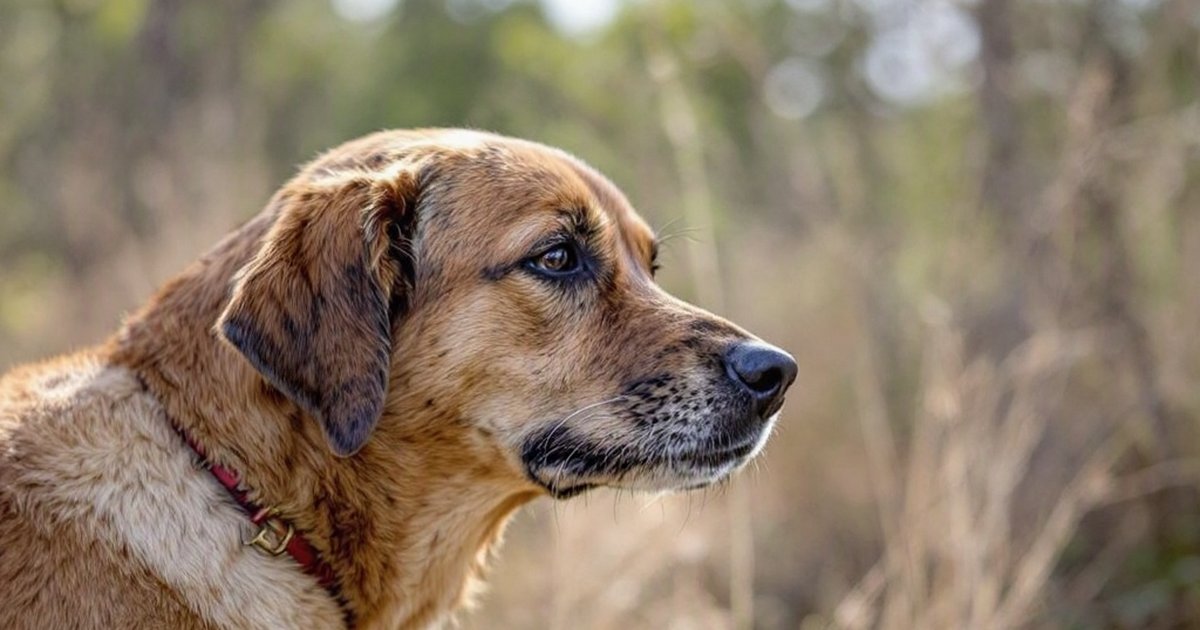
Your dog’s love of the same walking route isn’t stubbornness or lack of imagination. It’s an ancient survival strategy. Following familiar paths lets dogs:
- Read their environment through scent markers left on previous walks
- Feel confident and calm in a known territory
- Navigate efficiently without wasting energy
If your dog seems anxious on new routes, or pulls hard to loop back to a favorite trail, that behavior makes complete biological sense. Letting your dog sniff on walks isn’t just a treat—it’s giving them access to their built-in GPS system.
For Cat Owners
Your cat’s independent wandering is equally natural. Cats are wired to explore widely, gather information visually, and not rely on repeated paths. This means:
- Indoor-only cats may benefit from enrichment that satisfies the urge to explore (puzzle feeders, climbing structures, window perches)
- Outdoor cats have a strong drive to range beyond your yard, which is worth factoring into safety planning
- A cat that takes a different route home each day is being perfectly normal, not lost or confused
When to Talk to Your Vet
If your dog suddenly refuses a familiar walk it used to enjoy, or your cat stops roaming when it normally does, these changes in movement habits can sometimes signal pain, illness, or anxiety. Any abrupt shift in your pet’s usual patterns is worth mentioning at your next veterinary visit.
Limitations of This Research
It’s important to note that this study focused entirely on wild carnivores, not domestic pets. The findings give us a strong evolutionary framework for understanding dog and cat behavior, but researchers haven’t yet tracked domestic dogs and cats in the same controlled way to confirm these exact patterns carry over. More research focused on pets in home environments would help confirm how closely our companions mirror their wild relatives.
The Bottom Line
A GPS study of nearly 1,300 wild carnivores across six continents has confirmed what many dog and cat owners already suspected: dogs are natural route-followers, and cats are natural free-rangers. These aren’t random habits—they’re millions of years of evolution in action.
- Dogs thrive on familiar routes because their scent-based navigation system works best on known territory
- Cats are wired to explore broadly, relying on sight and curiosity rather than repeated paths
- Understanding these deep-rooted tendencies can help you enrich your pet’s daily life and recognize when something is off
Next time your dog insists on sniffing the same fire hydrant for the third time this week, let them. They’re reading the news.
This article summarizes peer-reviewed research for educational purposes. Always consult with your veterinarian for personalized advice about your pet’s health and behavior.